$50 Off First Visit For New Clients

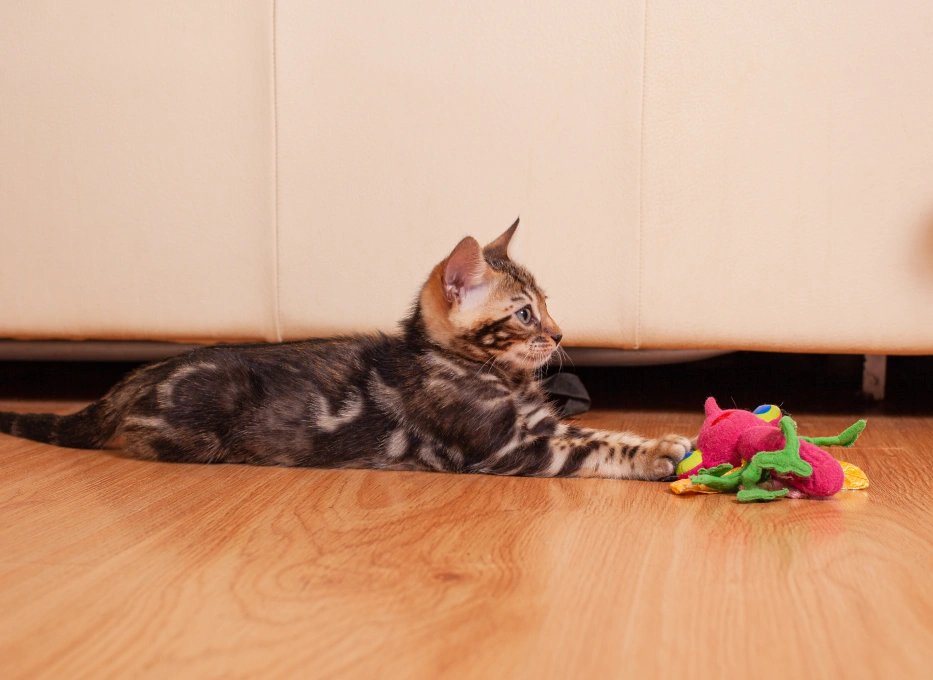
Gentle Health Guidance for Growing Kittens
The first few months of a kitten's life bring rapid changes in immunity, behavior, and physical coordination. The care they receive during this stage shapes their long-term health and daily comfort, making early veterinary support an important part of starting them off right. At South Putnam Animal Hospital, our guidance for young cats focuses on steady growth monitoring, preventive planning, and health awareness that supports every stage of early life. Our approach to kitten care in Mahopac is built around helping families understand each milestone and create a strong foundation for their kitten's lifelong wellness.
Early Development and Growth Monitoring
Kitten growth occurs in stages that require close attention to physical and behavioral changes. Weight progression, coordination skills, and energy patterns provide key insight into overall health.
Regular evaluations help track how a kitten adapts to its environment and nutrition plan. Adjustments may be recommended as growth accelerates or slows.
Key developmental checkpoints include:
- Bone and muscle growth: Monitoring skeletal alignment during rapid physical development.
- Behavioral adaptation: Observing how kittens respond to household sounds and movement.
- Weight stability: Ensuring steady growth patterns aligned with age expectations.
- Reflex coordination: Checking balance, jumping ability, and motor skills development.
A vet reviews these factors during each visit to ensure growth remains on track.
Vaccination Planning and Immune Support
Young cats rely on early vaccinations to build protection against infectious diseases. Proper vaccine schedules strengthen immunity during vulnerable growth phases. Core vaccines often address feline distemper, herpesvirus, and calicivirus. Additional protection may be recommended depending on lifestyle and exposure risk.
Vaccination planning supports:
- Immune system development: Strengthening natural defense responses early in life.
- Infection prevention: Reducing exposure to common feline illnesses.
- Social readiness: Preparing kittens for safe interaction with other animals.
- Long-term wellness stability: Building foundational protection into adulthood.
Nutritional Needs for Healthy Growth
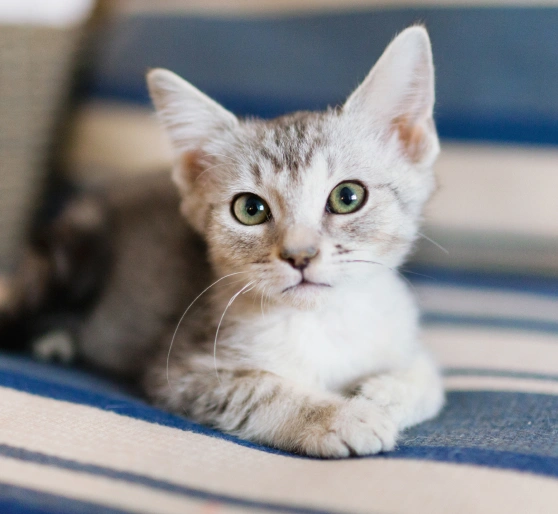
Balanced nutrition plays a major role in shaping energy levels, bone strength, and coat quality. Kittens require diets tailored to rapid growth and high activity levels. Feeding routines often change as kittens mature. Adjustments support digestion, weight gain, and energy balance.
Important nutrition focus areas include:
- Protein-rich intake: Supporting muscle and tissue formation.
- Calcium balance: Encouraging strong bone structure development.
- Frequent feeding schedules: Maintaining steady energy throughout the day.
- Digestive tolerance: Monitoring reactions to dietary changes.
Behavior Shaping and Early Learning
Early behavior development influences how kittens respond to people, environments, and other pets. Structured exposure helps build adaptable and stable behavioral patterns. Kittens learn through exploration, interaction, and repetition. Early guidance reduces fear-based reactions and encourages positive habits.
Key behavioral areas include:
- Environmental exposure: Gradually introduce household sounds, textures, and movement.
- Social interaction: Encouraging safe engagement with humans and other animals.
- Routine adaptation: Establishing consistent feeding and activity schedules.
- Response learning: Supporting recognition of cues and gentle redirection.
Parasite Prevention and Protection Care
Kittens face higher risks from internal and external parasites during early development. Preventive care reduces health complications and supports steady growth.
Common concerns include fleas, intestinal worms, and ear mites. Early screening and treatment help maintain overall wellness.
Protection strategies include:
- Internal parasite control: Managing intestinal worms that affect nutrient absorption.
- External parasite prevention: Reducing exposure to fleas and mites.
- Routine screening: Identifying parasites before symptoms worsen.
- Environmental management: Supporting cleaner living conditions to reduce reinfection.
Routine Wellness and Health Checks
Regular wellness visits provide structured monitoring of growth, immunity, and behavioral development. Each appointment offers insight into how a kitten is progressing through early life stages.
A veterinarian evaluates physical condition, listens for organ function, and reviews developmental milestones. Adjustments to care plans may be made based on findings. Routine checks help maintain consistent oversight and support early identification of potential health issues.
Give Your Kitten a Strong Start in Life
Early behavioral changes, feeding transitions, or vaccination scheduling needs often indicate the right time to begin structured care. Book an appointment with South Putnam Animal Hospital for kitten care in Mahopac and receive guidance on growth monitoring, nutrition planning, and preventive health strategies designed for early feline development.