$50 Off First Visit For New Clients


Protect Your Cat’s Future With Preventive Care
Cats often hide signs of illness, making early health support an important part of keeping them well for the long term. At South Putnam Animal Hospital, we focus on proactive routines that help your cat stay active, alert, and comfortable year-round. We proudly provide cat preventive care in Mahopac, offering care plans designed around your cat’s lifestyle, age, and individual needs.
Our team works closely with families to build strong health foundations through consistent monitoring and meaningful guidance. Every visit allows a veterinarian to observe patterns, detect subtle changes, and refine care over time. Preventive services remain one of the most effective ways to support your cat’s overall health while reducing unexpected disruptions.
Daily Health Habits Support Long-term Wellness
Strong health begins with consistent routines that support your cat’s body and behavior. Regular checkups allow a veterinarian to evaluate progress and identify changes that might otherwise go unnoticed.
Preventive care for cats is crucial for maintaining their energy, supporting organ health, and ensuring stability during their lives. A veterinarian reviews weight trends, dietary habits, and activity patterns to ensure your cat remains on track. Ongoing veterinary attention helps establish a reliable baseline, making it easier to respond to even small changes.
What Wellness Visits Reveal About Health
Wellness visits provide a deeper understanding of your cat’s current condition and future needs. Each veterinary exam combines observation, testing, and discussion to create a complete picture.
During a visit, our vet team focuses on:
- Physical condition: Assessing body weight, coat health, and muscle tone to identify early changes.
- Vital signs: Monitoring heart rate, breathing, and temperature for internal health indicators.
- Oral health: Evaluating teeth and gums to detect buildup or irritation that may affect overall wellness.
- Behavior insights: Discussing appetite, activity, and habits that may signal underlying concerns.
Each veterinarian visit also allows time to adjust care plans and answer questions, ensuring ongoing veterinary support remains aligned with your cat’s needs.
Vaccination Plans Designed Around Lifestyle Needs
Vaccinations help protect cats from serious illnesses that can affect long-term health. Each veterinarian's recommendation is based on your cat’s environment and potential exposure risks.
Core Vaccinations for Essential Protection
- Rabies vaccine: Protects against a fatal virus that affects the nervous system and is often required by law.
- FVRCP vaccine: Guards against feline viral rhinotracheitis, calicivirus, and panleukopenia, which impact the respiratory and digestive systems.
Non-core Vaccinations Based on Exposure
- FeLV vaccine: Recommended for cats that may interact with other cats.
Reducing the Risk of Internal and External Parasites
Parasites can affect cats in ways that are not always visible right away. Preventive measures help reduce the risk of complications linked to both internal and external parasites.
Common parasites we address include:
- Fleas: Cause itching and irritation and can lead to skin conditions or allergic reactions.
- Ticks: Carry diseases that may impact both pets and people, especially in outdoor environments.
- Heartworms: Spread through mosquito bites and can affect the heart and lungs.
- Intestinal worms, including roundworms, hookworms, and tapeworms, can affect digestion and nutrient absorption.
Microchipping to Help Lost Cats Find Their Way Home
A microchip provides permanent identification that helps reunite lost pets with their families. Collars and tags can fall off, while a microchip remains in place and can be scanned easily.
The procedure is quick and performed during a routine veterinary visit. Once registered, the chip links your cat to your contact information, offering added reassurance in unexpected situations. Microchipping supports your overall preventive plan by adding another layer of security.
Nutrition Guidance for Balanced Daily Living
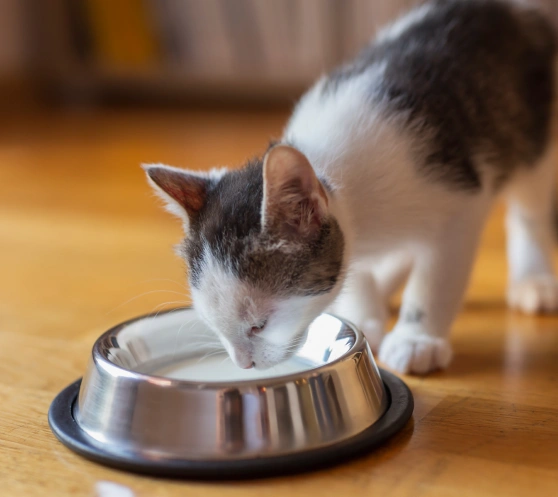
Nutrition directly influences your cat’s energy, digestion, and overall health. A well-balanced diet supports immune function and helps maintain a stable weight.
Our vet team guides on:
- Portion control based on age and activity level
- Selecting food that meets life stage requirements
- Addressing sensitivities or dietary concerns
- Supporting weight management through consistent routines
Preventive care for cats involves regularly assessing their diet to ensure they receive the nutrients they need for ongoing health.
Recognizing When Preventive Care is Needed
Changes in appetite, activity, or behavior often signal the need for a veterinary visit. Preventive care becomes especially important during life transitions, seasonal changes, or exposure to new environments.
A veterinarian may recommend adjustments to vaccinations, parasite prevention, or nutrition based on these factors. Regular vet visits ensure your cat remains supported through changing conditions. Consistent care helps maintain stability while reducing the likelihood of unexpected health concerns.
Book an appointment with South Putnam Animal Hospital to help your cat stay active, stable, and supported through every stage of life with dedicated care.