$50 Off First Visit For New Clients


How to Choose a Trusted Cat Care Clinic Near You
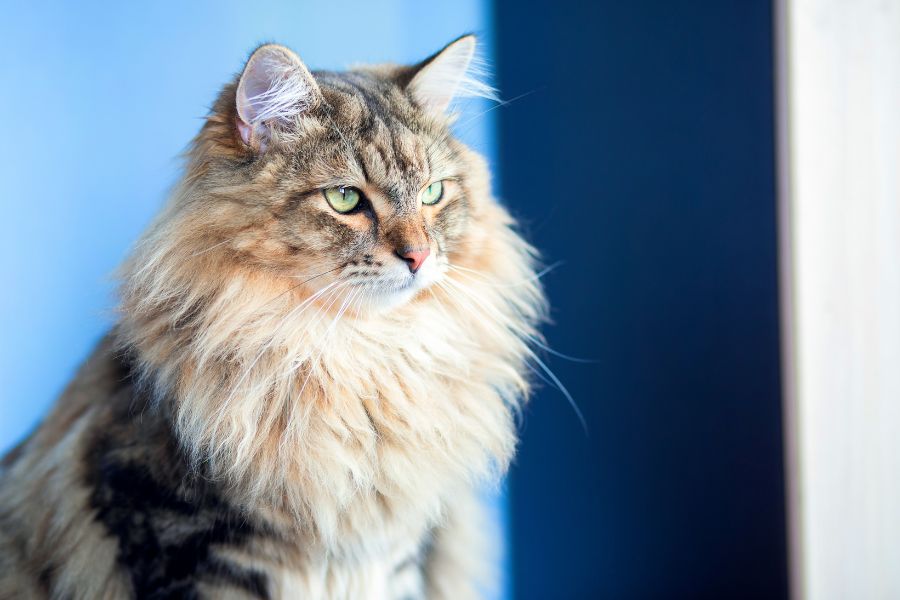
Finding the right veterinary clinic for your cat is one of the most important decisions you will make as a pet owner. Cats are not just small dogs. They have unique physiology, distinct stress responses, and health needs that require a specialist’s eye. Choosing a trusted cat care clinic means choosing a place where your cat feels safe, your questions are answered honestly, and preventive care is taken seriously. Many cat owners wait until something is wrong before finding a vet. By then, conditions that could have been caught early are harder to treat. The right clinic becomes a long-term partner in your cat’s health, not just a place you visit in a crisis. This guide walks you through exactly what to look for so you can make a confident, informed choice.
What Makes a Trusted Cat Care Clinic
A trusted cat care clinic does more than treat sick cats. It builds a relationship with your cat over time, tracks health trends across visits, and helps you stay ahead of conditions before symptoms appear. The most reliable clinics are cat-focused, meaning their staff understands feline behavior and works to reduce the anxiety that many cats experience in a veterinary setting.
Look for clinics that use cat-friendly handling techniques. Cats respond very differently to restraint compared to dogs. Forced handling increases stress hormones, which can affect exam readings and make future visits harder. Clinics that use low-stress protocols, quiet separate waiting areas for cats, and minimal restraint methods show a deeper understanding of feline care.
Ask whether the clinic offers comprehensive wellness services, including physical exams, dental assessments, bloodwork, and nutritional counseling. A cat-only facility is especially valuable because every protocol, every piece of equipment, and every staff member is trained specifically for feline patients. That level of specialization translates directly into better care.
Services That Signal a High-Quality Cat Clinic
When evaluating a clinic, look closely at the range of services offered. A quality feline clinic should provide more than basic vaccination appointments.
Key services to look for include:
- Wellness and preventive exams: Regular checkups that assess weight, dental health, coat condition, and organ function
- Feline wellness exam protocols: Structured head-to-tail assessments designed specifically for cats at each life stage
- Dental care: Cats are highly prone to dental disease, with estimates suggesting it affects the majority of cats over age three. Dental cleanings and oral health assessments should be standard offerings
- Senior cat care: Older cats need more frequent monitoring for conditions like kidney disease, hyperthyroidism, and arthritis
- Behavioral consultations: A clinic that helps you understand why your cat is hiding, overgrooming, or refusing food is one that sees your cat as a whole patient, not just a set of symptoms
- In-house diagnostics: Bloodwork, urinalysis, and imaging done on-site speeds up diagnosis and reduces stress on your cat
A clinic offering this breadth of service is equipped to support your cat from kittenhood through their senior years.
Signs You Have Found the Right Feline Vet
Not every cat owner knows what to look for during a first clinic visit. Here are clear signals that you are in the right place.
- The team asks about your cat’s behavior at home. Indoor cat health tips and home environment observations matter in a complete exam. A vet who asks about litter box habits, water intake, and sleep patterns is doing a thorough job.
- The exam room is calm and deliberate. Rushed exams miss things. A quality vet takes time, explains findings as they go, and invites your questions.
- Your cat is not forced into positions. Cats examined with patience and minimal restraint are less stressed and more cooperative. This matters for accurate readings.
- The clinic communicates clearly after your visit. You should leave with a written summary, a follow-up plan, and a clear understanding of your cat’s health status.
- Staff speak specifically about cats, not pets generally. Feline-specific language and knowledge are indicators of genuine expertise.
In our experience, many cat owners discover their cat has early-stage kidney disease or dental problems only because a thorough routine exam caught it. Cats mask discomfort well. A skilled team knows where to look.
Cat Preventive Care and Why It Cannot Wait
Preventive care is the most cost-effective and health-protective thing you can do for your cat. Cats are masters at hiding illness. By the time a problem becomes visible, it often has been developing for months. Routine cat preventive care vet visits allow your veterinarian to catch changes in bloodwork, weight, and organ function long before symptoms appear.
A common misconception among cat owners is that indoor cats do not need regular vet care because they are not exposed to the outdoors. This is not accurate. Indoor cats face significant health risks including obesity, dental disease, urinary tract problems, and stress-related conditions. Regular feline wellness exams are essential regardless of whether your cat goes outside.
In the Hudson Valley region, where seasonal changes can affect cats’ activity levels and diet patterns, year-round monitoring is especially useful. A cat who gains weight in winter or drinks more water in summer may be showing early signs of a developing condition. Your vet can help you distinguish normal shifts from warning signs.
At South Putnam Cat Care in Mahopac, NY, our team is dedicated exclusively to feline health. As a specialized branch of South Putnam Animal Hospital, we bring the experience and resources of an established veterinary organization to a practice designed entirely around cats. Every exam room, every protocol, and every team member here is focused on one thing: the well-being of your cat.
How to Find a Cat Vet Near You and What to Ask
When you begin your search for a cat vet near me, do not rely on proximity alone. The closest clinic is not always the right one. Start with a list of questions you can ask before booking a first appointment.
Ask the clinic:
- Do you see cats only, or are dogs also treated in the same space?
- What low-stress or fear-free handling techniques do you use?
- Do you have a separate waiting area for cats?
- What does a routine wellness exam include for cats?
- Can I speak with a veterinarian before my first appointment?
These questions reveal how the clinic thinks about feline patients. A clinic that welcomes these questions and answers them with specifics is one that takes cat care seriously.
When researching a cat vet near me, also look at whether the clinic is transparent about their approach to care, communicates clearly, and has a team that makes both you and your cat feel at ease. Indoor cat health tips, follow-up reminders, and post-visit communication are signs of a clinic invested in long-term relationships, not just one-time appointments.
South Putnam Cat Care, located in Mahopac, NY, was established to fill exactly this need in the community. We offer comprehensive feline care across all life stages in an environment designed with your cat’s comfort in mind.
Conclusion
Finding a trusted cat care clinic is not just about convenience. It is about choosing a team that will know your cat by name, understand their history, and provide care that keeps them healthy for years to come. Look for specialization, low-stress handling, comprehensive preventive services, and clear communication. Ask questions before you commit. A clinic that earns your trust will be your cat’s health partner for life. Whether your cat is a curious kitten or a seasoned senior, they deserve a team that understands feline health at every stage. Book an appointment today.
Frequently Asked Questions
Q: How often should I take my cat to the vet?
Ans: Most cats benefit from at least one wellness exam per year. Senior cats aged seven and older typically need visits every six months to monitor for age-related conditions such as kidney disease, hyperthyroidism, and arthritis. Your veterinarian will recommend a schedule based on your cat’s age and health history.
Q: What is included in a feline wellness exam?
Ans: A feline wellness exam typically includes a full physical assessment covering weight, dental health, coat and skin condition, ear and eye health, heart and lung function, and abdominal palpation. Your vet may also recommend bloodwork, urinalysis, or parasite screening depending on your cat’s age and lifestyle.
Q: Is it important to choose a cat-only clinic over a general veterinary practice?
Ans: Cat-only clinics offer several advantages, including a quieter environment free from dogs, staff trained exclusively in feline behavior and medicine, and protocols designed to reduce cat stress. For cats that experience high anxiety during vet visits, a feline-only clinic can make a meaningful difference in the quality and comfort of care.
Q: Do indoor cats still need regular veterinary visits?
Ans: Yes. Indoor cats are still susceptible to dental disease, obesity, urinary tract conditions, and stress-related illnesses. Regular vet visits allow your veterinarian to detect early changes that are not yet visible at home. Preventive care is just as important for indoor cats as it is for cats that go outdoors.
Q: What should I bring to my cat’s first appointment at a new clinic?
Ans: Bring any previous veterinary records, a list of current medications or supplements, and notes on your cat’s diet, behavior, and any changes you have noticed at home. Bringing your cat in a secure, covered carrier with a familiar blanket inside can also help reduce stress during transport and the exam.