$50 Off First Visit For New Clients

How to Help a Cat With Thunderstorm Anxiety
Thunder cracks outside, and your cat vanishes under the bed. Sound familiar? Many cat owners watch helplessly as their otherwise confident feline falls apart during a storm. The hiding, the panting, the frantic meowing, the desperate search for a hiding spot. It’s stressful for everyone in the house. Cats experience storms differently than humans do. They sense pressure changes and static electricity long before the first raindrop falls, and their nervous systems respond accordingly. Cat thunderstorm anxiety help is something more pet owners are actively searching for, and the good news is that real, effective strategies exist. This article walks you through how to recognize storm anxiety in cats, what drives it, and exactly what you can do to help your cat feel calmer and safer when the weather turns. Whether your cat trembles, hides, or refuses to eat, there are steps you can take starting today.
What Are the Signs of Thunderstorm Anxiety in Cats?
Thunderstorm anxiety in cats often looks different from anxiety in dogs, and that’s why so many owners miss it. Cats rarely bark or pace. Instead, they withdraw, freeze, or groom obsessively.
Watch for these signs of cat stress during or before a storm:
- Hiding: seeking tight, enclosed spaces like closets, under beds, or inside cabinets
- Trembling or crouching low: body language shrinks as the cat tries to become invisible
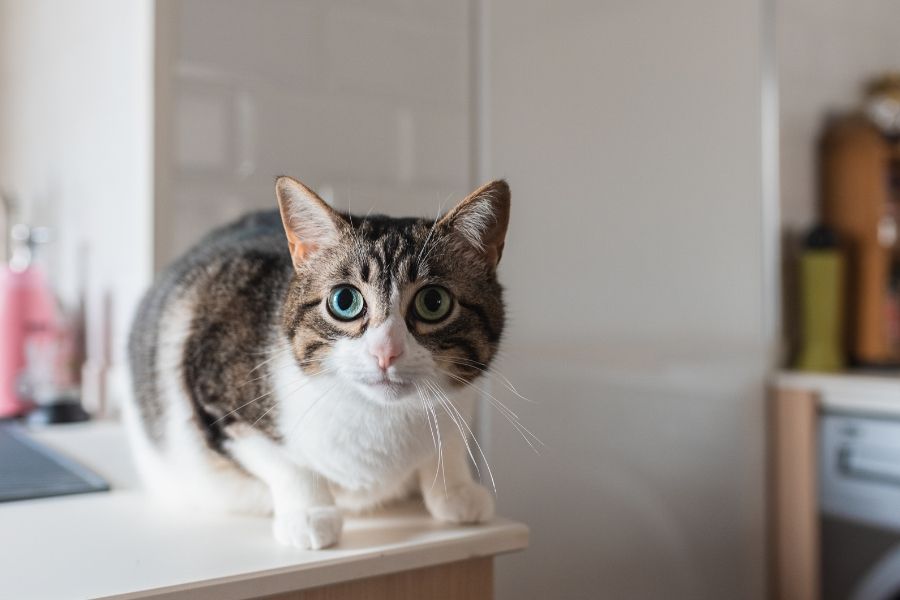
- Dilated pupils: wide, dark eyes signal a fear response even when nothing else is obvious
- Excessive vocalization: repeated, low meowing or crying that seems out of character
- Overgrooming or chewing fur: a physical outlet for internal stress that can cause bald patches
- Refusing food: anxiety suppresses appetite, even in cats who are normally food-motivated
- Inappropriate elimination: some cats urinate outside the litter box when severely distressed
In our experience, pet owners often attribute these behaviors to the cat “being moody” rather than identifying storm anxiety as the cause. If your cat disappears every time the sky darkens, that pattern is worth paying attention to.
Why Are Some Cats More Sensitive to Storms?
Not every cat reacts the same way to thunder. The difference comes down to a combination of biology, early life experience, and environment.
Cats hear far beyond human range. They detect low-frequency rumblings before a storm is audible to us, and they sense barometric pressure changes and static electricity in the air. By the first thunderclap, a sensitive cat may have been on high alert for 20 minutes or more.
Cats not well-socialized before 12 weeks of age tend to be more reactive to sudden changes. Cats with trauma histories or multiple relocations are also at higher risk. In the Hudson Valley, storm frequency during summer and early fall means some cats face this stressor repeatedly each season.
One real-world observation: many cats labeled as “anxious by nature” are actually environment-sensitive cats whose triggers have never been addressed. That distinction matters for how you approach treatment.
How to Calm an Anxious Cat During a Storm
Helping a frightened cat requires preparation before the storm hits, not a scramble when thunder is already shaking the windows.
Here are the most effective steps to calm anxious cat naturally at home:
- Create a safe room in advance. Choose a small, interior room the cat already likes. Add a covered bed or carrier with familiar bedding. Let the cat discover it on calm days so it becomes a comfort zone, not a panic response.
- Play white noise or calming music. Background sound masks thunder and reduces the startle response. Nature sounds have documented calming effects on cats.
- Use a feline pheromone diffuser. Products that mimic natural feline calming pheromones can reduce baseline anxiety over time. Plug one in the safe room at least 24 hours before storm season starts.
- Cover windows. Bright lightning flashes are a trigger. Blackout curtains in the safe room reduce visual stimulation significantly.
- Stay calm yourself. Cats are highly attuned to their owners’ stress. Keeping your own voice low and movements steady helps your cat gauge that the situation is safe.
- Never force interaction. If your cat hides, let them. Pulling a frightened cat out of hiding only increases stress. Follow their lead.
We frequently remind our clients: consistency builds trust. A safe space that exists every storm becomes a reliable refuge your cat learns to use on their own.
Understanding What Triggers Indoor Cat Fear
Thunderstorms are one of several indoor cat fear triggers that share similar characteristics: sudden loud noise, unexpected vibration, flashing light, and pressure changes. Understanding how these indoor cat fear triggers overlap helps you address your cat’s anxiety more broadly and effectively.
Many cats who react to thunderstorms also struggle with fireworks, loud construction, or even heavy rain on skylights. The common thread is sensory overload. Your cat’s nervous system interprets these stimuli as potential threats, and the fight-or-flight response kicks in even when there is no real danger.
A widespread misconception is that indoor cats are “protected” from storm anxiety. In reality, indoor cats can be more reactive. They have not been gradually exposed to outdoor sounds and have fewer anchors that signal normalcy when the world gets loud.
Environmental enrichment builds resilience. Cats with vertical space, hiding spots, and regular play show lower overall anxiety responses, including during storms.
When to Ask a Veterinarian About Storm Anxiety
Some cats do well with home management alone. Others need additional support, and there is no reason to let a cat suffer through repeated storm seasons when help is available.
Contact your veterinarian if your cat:
- Stays anxious for more than an hour after a storm ends
- Injures itself through overgrooming or frantic escape attempts
- Refuses to eat for more than 24 hours around storm events
- Shows aggression toward people or other pets during storms
- Gets worse with each storm season rather than improving
Veterinarians can assess whether behavioral support, environmental adjustments, or short-term medication options are appropriate for your cat. They will also evaluate for signs of cat stress that may point to a broader anxiety disorder rather than a simple storm phobia. Veterinary care for cats with anxiety has come a long way, with several safe options that help cats cope without heavy sedation.
In New York, storm season runs from late spring through early fall, a significant stretch for a highly anxious cat. South Putnam Cat Care works with cat owners to build individualized storm anxiety plans that address both the immediate fear response and the longer-term goal of reducing baseline stress.
Helping Your Cat Feel Safe All Season Long
Managing cat thunderstorm anxiety help is not a one-storm fix. It is a seasonal commitment that pays off with a calmer, more confident cat year-round. The steps that calm anxious cat naturally, such as safe spaces, white noise, and pheromone diffusers, work best when introduced before storm season, not during it. Start early, stay consistent, and adjust based on what your individual cat responds to.
Many cats improve significantly with environmental management alone. For those who need more support, veterinary care for cats is readily available and effective. Pet owners across New York see the biggest gains when they start building a calm-down routine before storm season begins. Do not wait until your cat is in crisis to take action. Smaller, earlier interventions almost always produce better outcomes. South Putnam Cat Care is here to help you build a plan that fits your cat’s needs and your household. Book an appointment today.
Frequently Asked Questions
Q: Why does my cat hide during thunderstorms?
Ans: Cats hide during storms because they are responding to sensory triggers, including loud sounds, barometric pressure changes, and lightning flashes. This is a normal fear response. If hiding is extreme or prolonged, a veterinarian can help you develop a management plan.
Q: How can I calm my cat during a thunderstorm at home?
Ans: Set up a quiet safe room before storm season with a covered bed, white noise, and a pheromone diffuser. Let your cat choose to use the space rather than forcing them into it. Staying calm yourself also helps your cat gauge whether the situation is safe.
Q: Is thunderstorm anxiety in cats a medical condition?
Ans: Storm anxiety falls under noise phobia and is a recognized behavioral condition in cats. For mild cases, environmental management is often enough. Severe or worsening anxiety warrants a veterinary evaluation to rule out underlying health issues and discuss treatment options.
Q: Can thunderstorm anxiety get worse as my cat ages?
Ans: Yes, some cats develop stronger fear responses over time rather than habituating to storms. This is especially common in cats who have never received targeted support for their anxiety. Early intervention tends to produce better long-term outcomes.
Q: When should I see a vet for my cat’s storm anxiety?
Ans: See a veterinarian if your cat’s anxiety causes self-injury, lasts well beyond the storm itself, leads to extended refusal to eat, or seems to worsen with each storm season. There are safe, effective options available to help cats cope during high-stress weather events.