$50 Off First Visit For New Clients


Cat Surgery Guide: Preparation, Procedure, and Recovery

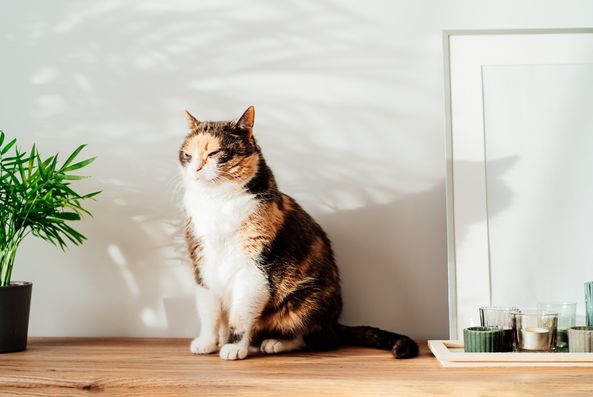
Finding out your cat needs surgery can be overwhelming. Whether it is a routine spay or neuter, a dental procedure under anesthesia, or an abdominal surgery to address a more serious condition, the questions pile up fast. What do you need to do beforehand? What is actually happening while your cat is under anesthesia? How do you know if recovery is going well? Cat surgery preparation and recovery look different for every cat and every procedure, but the core framework is consistent, and understanding it makes you a far more effective advocate for your cat’s well-being. This guide walks through the full process from the days before surgery through the weeks of healing at home.
Understanding What Your Cat’s Surgery Involves
Cat surgery preparation and recovery begins with a clear understanding of what type of procedure your cat is having and why it matters. Not all surgeries carry the same level of complexity, risk, or recovery time.
Elective procedures like spay, neuter, and dental cleanings are among the most commonly performed surgeries in cats. These procedures follow predictable protocols and are typically completed without complications in healthy cats. Recovery tends to be straightforward and measured in days to a week or two.
Soft tissue surgeries including intestinal procedures, bladder stone removal, and tumor excision, involve greater complexity and longer healing timelines. These surgeries require more intensive post-operative care and closer monitoring for complications.
Orthopedic surgeries address broken bones, joint problems, and injuries to tendons or ligaments. They often involve the longest recovery periods and may include restricted movement for weeks or months.
Regardless of type, every surgical procedure your cat undergoes carries some element of anesthesia, which is frequently the part that worries cat owners most. Understanding how modern veterinary anesthesia works goes a long way toward reducing that anxiety.
How to Prepare Your Cat for Surgery
What to expect cat surgery day starts long before you walk through the clinic door. Proper preparation directly reduces your cat’s surgical risk and helps the procedure go as smoothly as possible.
Here is what preparation typically involves:
- Pre-surgical wellness exam: Your veterinarian will examine your cat before any scheduled surgery to confirm she is healthy enough to undergo anesthesia. Blood work is almost always part of this it screens for organ function issues that could affect how anesthesia is processed and eliminated.
- Follow fasting instructions carefully: Cat pre-surgery fasting rules exist for an important safety reason. An empty stomach reduces the risk of aspiration, the inhalation of stomach contents, while under anesthesia, which can cause serious lung complications. Most cats are fasted for 8 to 12 hours before surgery. Your veterinarian will give you the specific window for your cat’s procedure.
- Withhold water as directed: Liquid fasting instructions vary. Some procedures require water be withheld for a few hours before surgery; others allow water up until a certain point. Never assume; follow your veterinarian’s specific instructions.
- Keep your cat calm and indoors the night before: An active, stressed cat is harder to sedate and may arrive at the clinic with elevated baseline stress hormones. A calm evening at home makes a measurable difference.
- Prepare your transport carrier in advance: Your cat will need to travel to and from the clinic, and a familiar, secure carrier reduces stress. Leave it out with a blanket inside for a few days before surgery so your cat can explore it on her own terms.
- Ask every question you have at drop-off: Before you leave your cat at the clinic, confirm the procedure name, the expected timeline, and who to contact if you have concerns during the day.
Cat pre-surgery fasting rules are among the most commonly misunderstood instructions and the most important to follow precisely. When in doubt, call your veterinarian the morning of surgery to confirm.
What Happens During the Procedure
Cat anesthesia safety risks are a common source of anxiety, and it helps to understand exactly how anesthesia is managed in a modern veterinary setting.
Before the procedure begins, your cat is given a pre-anesthetic sedative that reduces anxiety and the amount of general anesthetic needed. An intravenous catheter is placed, giving the veterinary team direct access to the bloodstream throughout the procedure. This allows for immediate response to any change in your cat’s status.
General anesthesia is then induced and maintained through inhalant gas delivered via a breathing tube. Throughout the surgery, a trained technician monitors your cat’s vital signs continuously heart rate, respiratory rate, blood pressure, oxygen saturation, and body temperature. Modern monitoring equipment provides real-time data that allows the team to adjust anesthetic depth as needed.
What to expect on cat surgery day from the surgical team is a structured, protocol-driven process with redundant safety checks built in. Cat anesthesia safety risks are real but are substantially reduced by pre-surgical bloodwork, careful patient selection, proper monitoring, and the skill of the veterinary team performing the procedure.
Senior cats and cats with known health conditions carry a modestly higher anesthesia risk than young, healthy cats but this does not mean they cannot safely undergo surgery. It means the pre-surgical workup is even more important, and that your veterinarian will factor your cat’s full health history into the protocol.
How to Care for Your Cat After Surgery
How to care for a cat after surgery is where most owners feel the least confident and where your attentiveness matters most. The hours and days immediately following surgery are the period of highest risk for complications.
When you pick up your cat, she may still be groggy from the anesthetic. This is completely normal and typically resolves within 12 to 24 hours. Provide a quiet, warm, confined space where she can rest without being disturbed by other pets, children, or noise.
Core postoperative care includes:
- Monitor the incision daily. A small amount of redness and mild swelling directly after surgery is expected. What is not expected: discharge, increasing swelling, significant opening of the incision, or a foul odor. Contact your veterinarian immediately if you observe any of these.
- Prevent licking and chewing at the incision. Most cats will investigate their surgical site. An e-collar (cone) or a surgical recovery suit prevents self-inflicted damage that can delay healing and introduce infection.
- Restrict activity as directed. How to care for a cat after surgery almost always includes strict activity restrictions no jumping, running, or rough play for a specified period. For soft tissue and orthopedic procedures, these restrictions may last weeks. Follow them even if your cat seems to feel fine.
- Give medications exactly as prescribed. Pain medications and antibiotics are prescribed for specific durations and dosing schedules. Do not stop medications early because your cat seems better, and never give human pain medications to your cat.
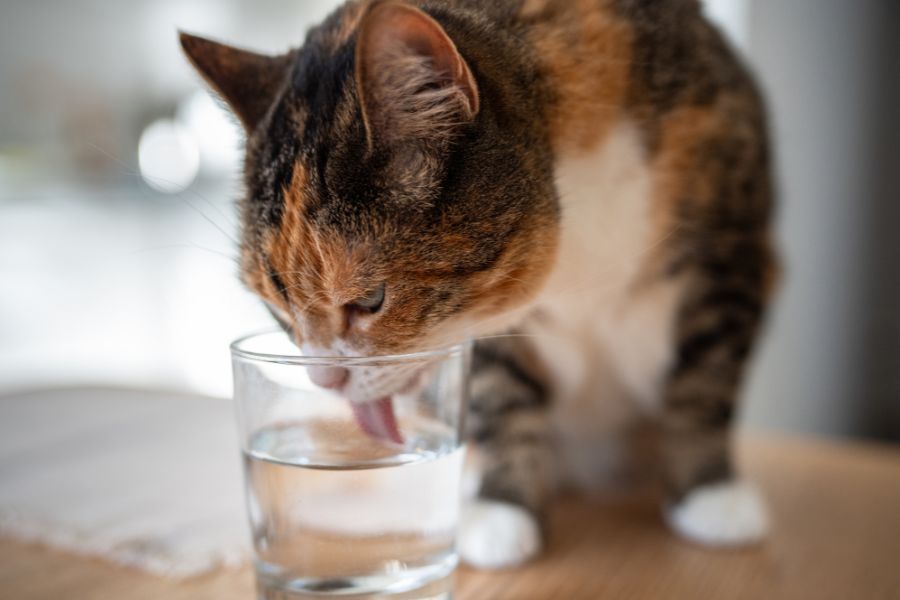
- Manage food and water carefully. Offer small amounts of food and water the first evening. Some cats vomit once after anesthesia; this is usually not serious, but persistent vomiting should be reported to your veterinarian.
In Mahopac and the surrounding Hudson Valley region, cold weather during winter months adds one additional consideration: cats recovering from surgery lose body heat more easily while their metabolism is recovering. Keep your cat warm and away from drafts during the recovery period, especially in the first 48 hours.
At South Putnam Cat Care, we provide detailed written discharge instructions for every procedure and are available to answer questions during recovery because knowing what is normal and what is not makes the difference between a calm recovery and an unnecessary scare.
Recognizing Complications Early
Most cats recover from surgery without any complications. But knowing what warning signs to watch for puts you in the best position to act quickly if something does go wrong.
Contact your veterinarian promptly if you observe any of the following during recovery:
- Incision that is opening, oozing, or developing significant swelling after the first 24 hours
- Persistent vomiting or refusal to eat beyond the first day post-surgery
- Difficulty breathing, pale or blue-tinged gums, or extreme lethargy
- Bleeding from the surgical site beyond minor spotting
- Signs of severe pain: vocalizing when touched, inability to settle, hiding with rigid posture
Cat surgery preparation and recovery is ultimately a partnership between you and your veterinary team. The more informed and prepared you are going in, the better equipped you will be to support your cat through the full process. Book an appointment today.
Frequently Asked Questions
Q: How long does it take for a cat to recover from surgery?
Ans: Recovery time depends entirely on the type of surgery. A routine spay or neuter typically takes 10 to 14 days for full incision healing, with most cats returning to normal behavior within a few days. Soft tissue surgeries involving the intestines or abdomen may require 2 to 4 weeks of restricted activity. Orthopedic surgeries often have the longest timelines, sometimes 6 to 8 weeks or more. Your veterinarian will give you a specific recovery timeline based on your cat’s procedure.
Q: Is it safe for an older cat to have surgery?
Ans: Age alone does not disqualify a cat from surgery. What matters most is the cat’s overall health and organ function. Pre-surgical blood work is especially important for senior cats, as it identifies any conditions that could affect how anesthesia is processed. With appropriate preparation and monitoring, many older cats undergo surgery safely and recover well.
Q: What should I feed my cat after surgery?
Ans: Offer a small, easily digestible meal the evening after surgery, roughly half of your cat’s normal portion. Some cats have a reduced appetite for a day or two after anesthesia, which is normal. Persistent refusal to eat beyond 48 hours post-surgery should be reported to your veterinarian. Avoid introducing new foods during recovery; this is not the time for diet changes.
Q: My cat keeps licking her incision. What should I do?
Ans: This is one of the most common post-surgical challenges. An e-collar (cone) or a soft recovery suit is the most effective way to prevent your cat from reaching the incision. Even brief licking can introduce bacteria and delay healing. If your cat has managed to lick the incision site significantly, inspect it carefully and contact your veterinarian if you see any signs of irritation, opening, or discharge.
Q: When should I call the vet after my cat’s surgery?
Ans: Call immediately if you notice the incision opening, significant swelling or discharge appearing after the first day, persistent vomiting, refusal to eat beyond 48 hours, labored breathing, extreme lethargy, or pale gums. For questions that are less urgent like whether a small amount of redness is normal calling during business hours is appropriate. Your veterinary team would rather you call with a question than wait and discover a complication later.