$50 Off First Visit For New Clients

Enjoy Halloween With Your Senior Pets: Safety and Comfort Tips
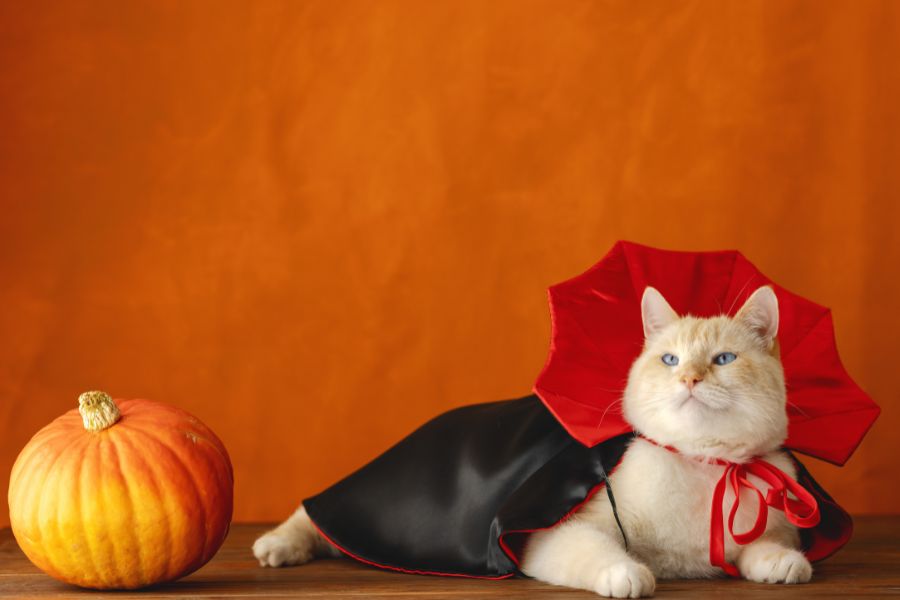
Halloween can be a fun holiday for humans, but it can pose unique challenges for senior pets. Older dogs and cats may experience stress, discomfort, or even health risks during festivities. In this guide, we’ll cover essential senior pet Halloween safety and comfort tips, helping you protect your aging companions while still enjoying the spooky season in Mahopac.
Understanding Senior Pet Needs on Halloween
As pets age, their physical and emotional needs change. Senior pets may have reduced mobility, dental issues, or chronic conditions that make them more sensitive to loud noises, crowds, or new foods. Recognizing these challenges is the first step toward a safe and comfortable Halloween.
Key considerations for senior pets:
- Hearing and vision changes: Older pets may startle easily with doorbells or costume noises.
- Mobility limitations: Steps, slippery floors, and jumping can be risky.
- Dietary sensitivities: Chocolate, candy, and seasonal treats can be toxic.
- Stress and anxiety: Crowds, decorations, and strangers may increase stress levels.
Halloween Pet Safety Tips for Seniors
Ensuring Halloween pet safety involves proactive planning and simple precautions.
- Create a safe space:
Set up a quiet, cozy room with familiar bedding where your senior pet can retreat. Include toys, water, and soft lighting. - Monitor interactions with guests:
Keep older pets away from excited children, door traffic, and trick-or-treaters. Even friendly pets can feel overwhelmed. - Costume considerations:
If dressing your senior pet, choose lightweight, comfortable costumes that don’t restrict movement or breathing. Avoid small accessories they could swallow. - Avoid toxic treats:
Chocolate, xylitol, raisins, and certain nuts are dangerous. Keep candy out of reach and offer safe alternatives like pet-friendly treats. - Maintain routine:
Stick to regular feeding, walking, and bathroom schedules to reduce stress.
Comfort Tips for Senior Dogs and Cats During Halloween
Beyond safety, senior pets need extra comfort during the Halloween excitement.
- Soothing background noise: Soft music or white noise can mask doorbells and noisy decorations.
- Gentle exercise: Short walks or indoor play can keep older pets calm without overexertion.
- Warm bedding and blankets: Older pets often have joint pain or arthritis, so extra padding can help.
- Check temperature sensitivity: Older pets may get cold or overheated faster, especially if wearing a costume.
Recognizing Signs of Stress in Senior Pets
Even with precautions, older pets may show subtle signs of distress. Watch for:
- Panting, pacing, or trembling
- Hiding or refusing to eat
- Whining, growling, or snapping
- Sudden accidents indoors
If your pet shows severe anxiety, remove them from the stressful environment and consult your nearest veterinarian in Mahopac for additional guidance.
Tips for Older Dog Safety During Halloween Walks
If you plan to take your senior dog outside, follow these older dog safety tips:
- Use a secure harness and leash: Avoid collars that strain the neck.
- Walk in familiar areas: Crowded streets and strange noises can cause panic.
- Reflective gear: Helps you and your dog stay visible in the dark.
- Short walks: Limit exposure to Halloween chaos to prevent fatigue or injury.
Keeping Senior Cats Safe During Halloween
Cats are often more sensitive to the holiday’s chaos than dogs. Keep them safe with these strategies:
- Keep cats indoors: Avoid escapes or encounters with strangers.
- Create vertical spaces: Cat trees or shelves offer safe vantage points.
- Limit costume use: Most cats prefer no clothing; even small accessories may stress them.
- Monitor litter box access: Ensure a quiet, easy-to-reach spot for senior cats.
Celebrating Halloween with senior pets in Mahopac can be safe and enjoyable when you prioritize comfort, safety, and routine. By following these tips, you can ensure older dogs and cats feel secure, relaxed, and loved during the festivities. Protect your senior companions and make this Halloween a happy, stress-free experience.
FAQs
Q1: Can senior pets wear Halloween costumes safely?
Ans: Yes, senior pets can wear lightweight, non-restrictive costumes, but always monitor for discomfort or signs of stress.
Q2: How can I reduce anxiety for my older dog on Halloween?
Ans: Provide a quiet retreat, soothing background noise, and maintain a consistent routine to help calm your senior dog.
Q3: Are there any Halloween foods senior pets should avoid?
Ans: Absolutely. Chocolate, candy with xylitol, raisins, and nuts can be toxic. Stick to pet-safe treats.
Q4: What are common signs of stress in senior cats during Halloween?
Ans: Hiding, refusal to eat, excessive grooming, or vocalizing unusually are common stress indicators in older cats.
Q5: How do I ensure my older dog stays safe during trick-or-treat walks?
Ans: Use a secure harness, keep walks short in familiar areas, and equip reflective gear to improve visibility and safety.