$50 Off First Visit For New Clients


From Kitten to Senior: A Complete Guide to Your Cat’s Veterinary Care at Every Life Stage
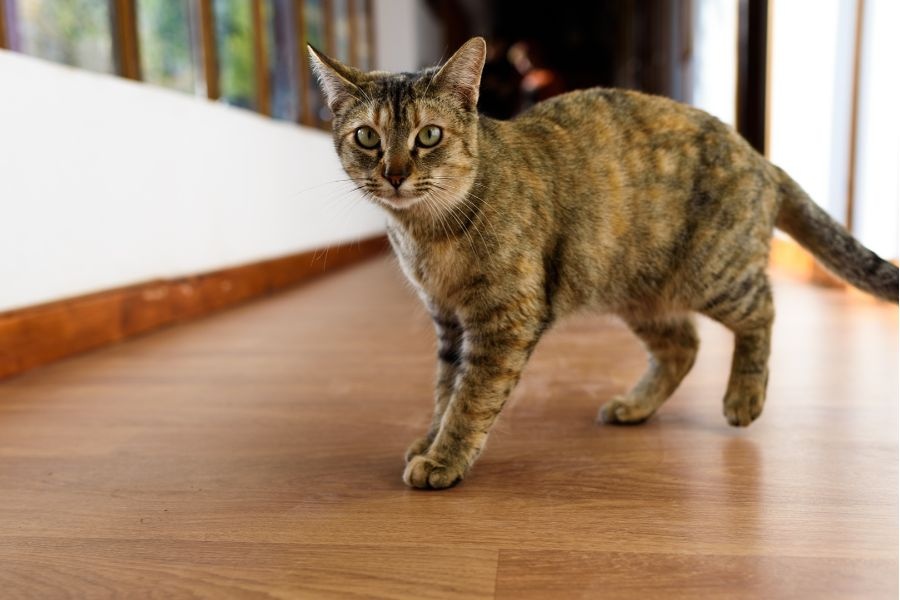
Your cat does not come with an instruction manual. But understanding what veterinary care they need at each stage of life makes a real difference in how long and how well they live. Cats are often stoic animals. They hide discomfort and illness until symptoms become hard to ignore. That is why regular veterinary visits matter far more than most pet owners realize. This cat vet care guide walks you through every key life stage, from the first weeks of kittenhood through the golden senior years. Whether your cat is a rambunctious four-month-old or a calm twelve-year-old, knowing what to expect at each checkup helps you stay ahead of health issues before they become serious problems. The more informed you are, the better advocate you can be for your cat.
What Your Kitten Needs in the First Year
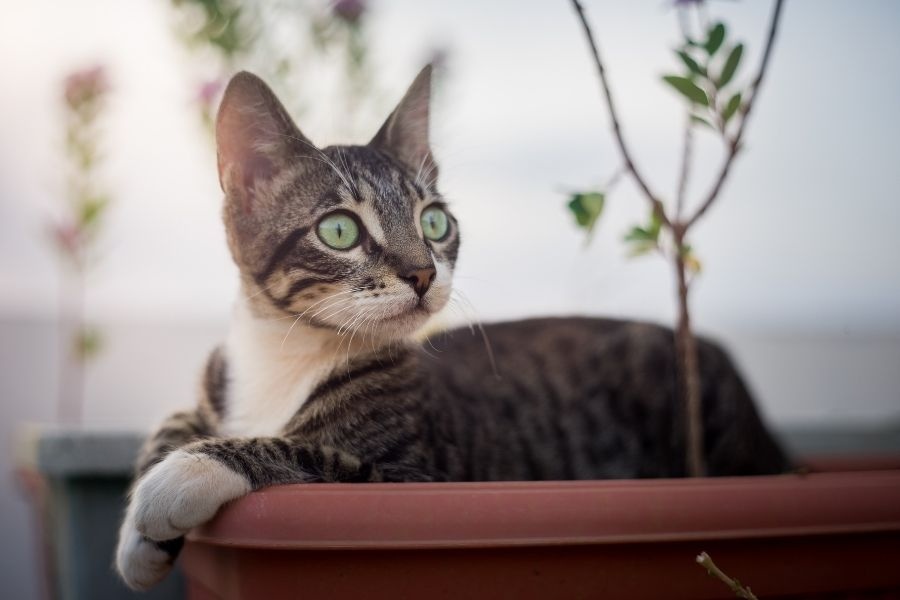
The first twelve months of a cat’s life set the foundation for long-term health. Kittens grow fast, and their immune systems are still developing. Early veterinary visits focus on building protection, establishing baselines, and catching any congenital issues before they progress.
A proper kitten vet visit schedule typically includes three to four visits in the first year. The first visit should happen within a week or two of bringing your kitten home. During these early appointments, your veterinarian will perform a full physical exam, check for parasites, recommend an appropriate deworming protocol, and begin core vaccinations on the right timeline.
Nutrition and weight tracking begin here, too. Many kitten health problems we catch early, including heart murmurs and developmental joint issues, are detected during these routine exams. Spaying or neutering is typically recommended between four and six months of age, and your vet will advise you on the best timing for your specific kitten.
One of the most common questions we get from pet owners is whether indoor kittens still need vaccines. They do. Vaccinations protect against diseases that can be carried in on clothing or through open windows. Your kitten’s vet visits should never be skipped based on indoor-only status.
Caring for Your Adult Cat: Ages One to Seven
Once your cat reaches adulthood, the pace of veterinary visits shifts. Annual wellness exams become the standard rhythm. These checkups are not just about vaccines. They are an opportunity for your veterinarian to detect subtle changes in your cat’s weight, coat, teeth, and organ function that you may not notice at home.
During adult wellness exams, your vet will typically assess:
- Weight and body condition: Even small weight changes can signal thyroid issues, diabetes, or kidney disease.
- Dental health: Dental disease affects an estimated 70 to 80 percent of cats by age three. Bad breath is not normal in cats. It is usually a sign of tartar buildup or gum inflammation.
- Coat and skin quality: Changes in coat texture often reflect nutritional gaps or underlying illness.
- Organ function screening: Blood and urine panels help catch kidney and liver changes early, when intervention is most effective.
In our experience, adult cats that skip annual exams are far more likely to present with advanced illness because early-stage problems went undetected. Cat wellness exam tips for this life stage center on consistency. Keep that annual appointment even if your cat seems perfectly healthy.
Adult cats are also prime candidates for microchipping if it was not done in kittenhood. Dental cleanings, flea and tick prevention, and parasite screenings remain important throughout this stage.
Cats between one and seven years also benefit from enrichment-based conversations with your vet. Indoor cat health care goes beyond physical exams. Behavioral health, environmental stimulation, and diet quality all affect longevity.
How Often Should Cats See a Vet at Each Life Stage?
Cats should see a veterinarian at least once a year from age one to seven, with kitten visits every three to four weeks during the first four months of life. Senior cats aged seven and older benefit most from twice-yearly checkups because age-related conditions can change quickly and respond better to early detection.
Each life stage brings different health priorities. Consistent veterinary care at the right frequency gives your cat the best chance at a long, healthy life.
Recognizing Senior Cat Health Signs That Need Attention
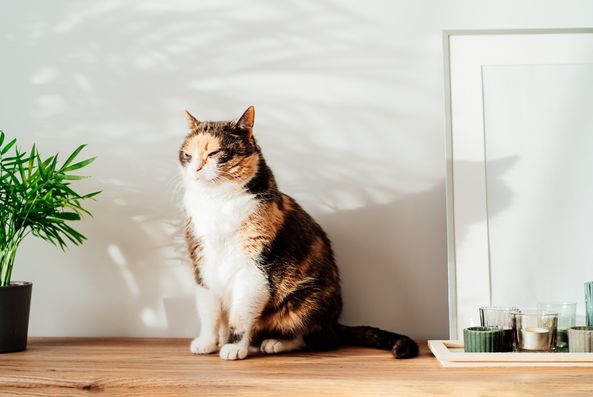
Cats enter their senior years around age seven. By age ten, they are considered geriatric. This does not mean decline is inevitable, but it does mean your vigilance needs to increase. Senior cat health issues often appear gradually and are easy to dismiss as “just getting older.”
Watch for these changes and report them to your vet promptly:
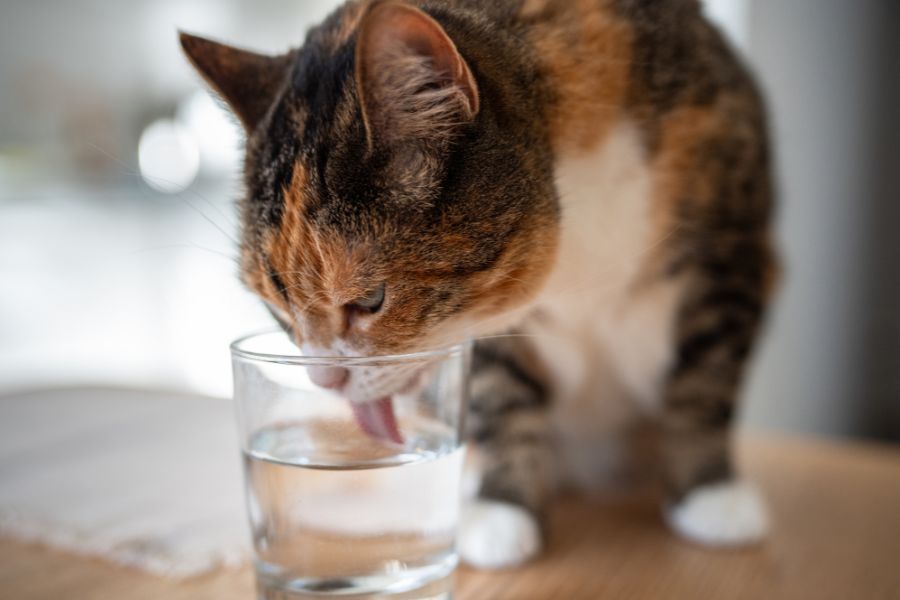
- Increased thirst or urination: This is one of the most common early signs of kidney disease or diabetes in older cats.
- Weight loss despite a normal appetite: Hyperthyroidism is extremely common in senior cats and is very manageable when caught early.
- Stiffness, reluctance to jump, or changes in gait: Arthritis is underdiagnosed in cats because they rarely vocalize pain.
- Changes in litter box habits: Accidents, straining, or changes in frequency all warrant a veterinary visit.
- Cognitive changes: Confusion, increased vocalization at night, or changes in sleep patterns can indicate feline cognitive dysfunction syndrome.
Senior cats benefit from twice-yearly wellness exams. Many conditions that shorten a cat’s life are treatable when detected in early stages. Pet owners often tell us they wish they had brought their older cat in sooner when symptoms first appeared. If something feels off, it usually is.
Senior cat care focuses heavily on bloodwork and urinalysis at every visit. These panels allow your vet to track trends over time, not just flag single abnormal results. A result that looks borderline today may look significantly different in six months.
South Putnam Animal Hospital provides age-appropriate senior wellness protocols designed to detect the most common conditions affecting older cats in our area.
Indoor Cat Health Care: Year-Round Habits That Support Long-Term Wellness
Many cat owners assume that indoor cats need less veterinary care. That assumption leads to missed diagnoses. Indoor cat health care is just as important as outdoor cat care, and in some areas, the risks overlap more than people expect.
Indoor cats are still susceptible to:
- Obesity and its related conditions, including diabetes and joint disease
- Dental disease, which progresses regardless of the environment
- Stress-related conditions like urinary tract issues and over-grooming
- Respiratory illnesses that can enter through open windows or shared air with other pets
In New York, where seasonal changes can be dramatic, indoor cats often experience stress-related health shifts as household routines change. Heating systems also affect indoor air quality, which can trigger respiratory sensitivities in cats with any underlying vulnerability.
Cat wellness exam tips for indoor cat owners center on not skipping annual visits simply because your cat seems fine. Many of the conditions that develop in indoor cats present with subtle signs. Your vet is trained to spot what you might not.
Providing vertical space, puzzle feeders, and consistent daily play helps manage weight and stress between visits. These habits directly support the health outcomes your vet is tracking at each checkup.
Your Cat Deserves Consistent Care at Every Age
A thorough cat vet care guide covers more than vaccinations and annual exams. It covers the full arc of your cat’s life, from those first curious kitten weeks through the quieter senior years. Staying current with veterinary visits, knowing which signs to watch for, and building a relationship with a vet who knows your cat’s history are the most powerful things you can do for your cat’s long-term health.
At South Putnam Animal Hospital, we partner with cat owners throughout every life stage to provide care that is specific, proactive, and built around each patient. Book an appointment today.
Frequently Asked Questions
Q: How often should a kitten see the vet in the first year?
Ans: Kittens typically need three to four veterinary visits during their first year. The first visit should happen within one to two weeks of bringing them home, followed by follow-up appointments every three to four weeks through the first four months for vaccines and developmental monitoring.
Q: What vaccinations does my cat need at each life stage?
Ans: Core vaccines are started in kittenhood and updated on a schedule your vet determines based on your cat’s age, lifestyle, and risk factors. Your veterinarian will recommend which vaccines are appropriate and how often boosters are needed for your specific cat.
Q: What are the most common health problems in senior cats?
Ans: The most common conditions in senior cats include kidney disease, hyperthyroidism, diabetes, arthritis, and dental disease. Most of these conditions are manageable when detected early through regular wellness exams and bloodwork.
Q: Do indoor cats still need annual vet visits?
Ans: Yes. Indoor cats are still at risk for obesity, dental disease, stress-related urinary issues, and respiratory illnesses. Annual visits allow your vet to catch subtle changes in weight, organ function, and overall health before they become serious problems.
Q: At what age is a cat considered a senior?
Ans: Most veterinarians consider cats senior starting around age seven. By age ten, cats are generally classified as geriatric. Senior cats benefit most from twice-yearly wellness exams to monitor for age-related conditions that can develop and progress quickly.