$50 Off First Visit For New Clients


Cat Drinking Too Much Water? It Could Be Diabetes

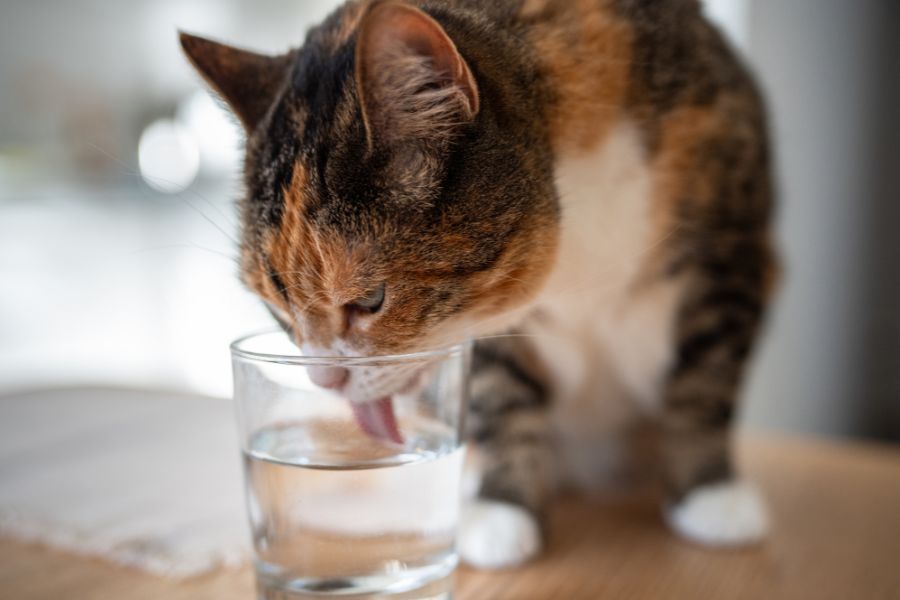
You have started noticing it over the past few weeks your cat is at the water bowl constantly, and the litter box needs cleaning far more often than it used to. A cat drinking too much water is not a normal variation or a weather-related quirk. It is one of the most reliable early warning signs that something is changing inside your cat’s body, and diabetes is one of the most important possibilities to rule out. This guide explains what excessive thirst means, why feline diabetes develops, how it is diagnosed, and what management looks like so you have the information you need to act quickly and give your cat the best possible outcome.
Why a Cat Drinking Too Much Water Is a Serious Signal
A cat drinking too much water is medically referred to as polydipsia. When paired with increased urination, the two almost always go together it is called PU/PD (polyuria/polydipsia), and it is one of the clearest diagnostic red flags in feline medicine. Normal water intake for a cat is roughly 4 ounces per 5 pounds of body weight per day. When that intake climbs significantly above baseline, something is disrupting the body’s normal fluid regulation.
Diabetes is the most common explanation, but it is not the only one. Excessive thirst in cats is caused by kidney disease, hyperthyroidism, liver disease, and pyometra (a serious uterine infection in unspayed females). What all of these conditions share is that they require prompt veterinary diagnosis, not a wait-and-see approach. The specific cause determines the treatment, and treating the wrong condition delays the care your cat actually needs.
Among cats diagnosed with diabetes, the mechanism is straightforward: the body cannot regulate blood glucose properly. Either the pancreas is not producing enough insulin, or the body’s cells have stopped responding to it effectively. Glucose builds up in the bloodstream and eventually spills into the urine, pulling water with it. The result is increased urination, which drives the intense thirst you are observing.
Diabetes Symptoms in Cats: The Full Picture
Excessive drinking and urination are the headline signs, but diabetes symptoms in cats extend beyond the water bowl. Recognizing the broader pattern makes diagnosis faster and more accurate.
- Weight loss despite a normal or increased appetite: The body cannot use glucose for energy, so it breaks down fat and muscle instead. Your cat may seem hungry all the time while still losing weight visibly.
- Weakness or wobbling in the hind legs: A condition called diabetic neuropathy can cause the back legs to weaken and the cat to walk with a flat-footed, plantigrade stance heels touching the ground rather than walking on the toes.
- Dull, unkempt coat: Cats with uncontrolled diabetes often stop grooming effectively. A coat that has become rough, oily, or matted without an obvious explanation is worth noting.
- Lethargy and reduced activity: A cat that was previously active and playful but has become reluctant to jump, run, or engage is showing a systemic sign that something is wrong.
- Vomiting: Occasional vomiting accompanied by the other symptoms on this list raises the level of concern significantly.
If you notice any of these signs, contact your veterinarian promptly. Diabetes symptoms in cats tend to progress catching the condition early means simpler management and a much better quality of life for your cat.
Many cat owners initially attribute weight loss and increased drinking to aging or a seasonal change in behavior. In our experience with feline patients, these explanations delay diagnosis by weeks or months in cases where early intervention would have made management considerably easier.
What Causes Cat Excessive Thirst: Risk Factors for Feline Diabetes
Not every cat is at equal risk. Understanding the risk factors behind cat excessive thirst helps you know how urgently your cat’s situation warrants evaluation.
Age: Middle-aged to older cats typically 8 years and above develop diabetes at significantly higher rates than younger cats. The risk increases with each passing year.
Weight: Obesity is the single largest modifiable risk factor for feline diabetes. Overweight cats have higher insulin resistance, meaning the body must produce more insulin to achieve the same effect. Over time, the pancreas can no longer keep up.
Sex: Male cats develop diabetes at roughly twice the rate of female cats, for reasons that are not fully understood but likely involve body composition and hormonal differences.
Steroid use: Cats treated with corticosteroids for chronic conditions like allergies or inflammatory bowel disease have an elevated diabetes risk, since steroids directly increase blood glucose and reduce insulin sensitivity.
Breed: Burmese cats have a documented genetic predisposition to diabetes, though the condition can develop in any breed.
Excessive thirst caused by diabetes is most likely when multiple risk factors are present simultaneously an overweight, older male cat with a history of corticosteroid treatment should be evaluated without delay if increased drinking is observed.
How Feline Diabetes Is Diagnosed and Treated
Feline diabetes diagnosis treatment begins with a straightforward blood and urine workup. A single high blood glucose reading is not sufficient for diagnosis on its own, because cats experience stress hyperglycemia, a temporary spike in blood sugar caused by the anxiety of a vet visit. Veterinarians look at the complete picture: glucose in the urine (which does not occur in normal cats), the fructosamine level (which reflects average blood glucose over the previous two to three weeks), and the clinical signs the owner has reported.
Here is what the diagnostic and treatment process typically looks like:
- Blood panel and urinalysis: A complete blood count and chemistry panel assess organ function. Urinalysis checks for glucose and infection.
- Fructosamine test: This single blood value is the most reliable indicator of sustained elevated blood glucose, eliminating the stress hyperglycemia variable.
- Diagnosis and insulin protocol: Once diabetes is confirmed, feline diabetes diagnosis treatment moves to determining the correct insulin type and starting dose. Your veterinarian will select an insulin appropriate for cats not all insulins are equivalent.
- Home glucose monitoring: Many owners learn to check their cat’s blood glucose at home using a small glucometer. Home readings are far more accurate than clinic readings because they eliminate the stress response.
- Diet adjustment: High-protein, low-carbohydrate wet food is typically recommended to reduce glucose spikes after meals. Your veterinarian will advise on the most appropriate diet for your cat’s situation.
- Regular recheck appointments: Dose adjustments based on glucose curves are essential in the early weeks of management. Insulin needs change as the cat’s body responds to treatment.
The goal is stable glucose regulation that allows your cat to feel well and function normally. With consistent management, some cats particularly those caught early and placed on an appropriate diet achieve diabetic remission and no longer require insulin. This outcome is more likely the sooner the condition is identified and treated.
At South Putnam Cat Care, we work closely with owners of diabetic cats to build management routines that are realistic within the context of their daily lives, not just technically correct on paper.
Taking Action Before the Problem Gets Harder to Manage
Feline diabetes that is caught early is manageable. The same condition, left unaddressed for months while symptoms are attributed to aging or seasonal changes, becomes significantly harder to control and far more likely to produce complications. Cat urinating more than usual combined with increased drinking is not something to monitor quietly at home for weeks. It is a signal that warrants a veterinary appointment this week, not eventually. A cat drinking too much water is telling you something clearly. Book an appointment today.
Frequently Asked Questions
Q: How do I know if my cat is drinking too much water?
Ans: A practical way to monitor intake is to measure how much water you add to your cat’s bowl each day and note how much remains at the same time the next day. If your cat is consistently drinking more than roughly 4 ounces per 5 pounds of body weight per day, that is above the normal range. Cat urinating more than usual alongside high water intake is the key combination that warrants veterinary attention.
Q: Can a cat recover from diabetes?
Ans: Some cats achieve diabetic remission, a state where blood glucose stabilizes to normal levels and insulin is no longer needed. This is most likely in cats diagnosed early, placed on a high-protein, low-carbohydrate diet, and managed carefully in the first weeks of treatment. Not all cats achieve remission, but many live comfortable, well-managed lives with ongoing insulin therapy.
Q: Is diabetes in cats the same as diabetes in humans?
Ans: Feline diabetes most closely resembles Type 2 diabetes in humans, in that the body develops insulin resistance rather than completely losing the ability to produce insulin. However, cats do not develop Type 1 diabetes in the same way humans do. The management approach to insulin injections, diet modification, and regular monitoring shares similarities with human diabetes care but is tailored specifically to feline physiology.
Q: What do I feed a diabetic cat?
Ans: Veterinarians typically recommend high-protein, low-carbohydrate wet food for diabetic cats, since this diet produces smaller glucose spikes after meals and supports better weight management. Specific food choices should be discussed with your veterinarian, who can account for your cat’s overall health, any concurrent conditions, and current body weight when making a recommendation.
Q: My cat was just diagnosed with diabetes. What should I expect in the first few weeks?
Ans: The first few weeks involve establishing the right insulin dose, which requires regular glucose monitoring and recheck appointments with your veterinarian. Expect some adjustment getting the dose right takes time and careful data collection. Many owners find that home glucose monitoring makes this process much easier and less stressful for their cat. Your veterinarian will walk you through the monitoring process and be available to help interpret readings as you go.