$50 Off First Visit For New Clients

Why Cat Owners Skip Vet Visits: Top Excuses Vets Hear

Cats are masters at hiding illness. They can feel unwell for weeks before you notice a single sign. That quiet independence is part of why so many cat owners end up in the same position: realizing their cat has not seen a vet in years. If that sounds familiar, you are not alone. Cat vet visit tips are searched constantly by concerned owners who already suspect they are overdue. This article breaks down the most common reasons cat owners delay or skip annual checkups, what those choices actually cost a cat’s health, and how to make the whole process easier for both of you. Understanding these excuses is the first step to breaking the habit. Your cat deserves proactive care, not just reactive care when something goes wrong.
Why Do Cat Owners Skip Vet Visits?
Most cat owners do not skip checkups because they do not care. They skip them because of specific, understandable barriers. The most common reasons cats skip checkups include the belief that indoor cats do not need regular vet care, stress around carrier and car travel, the assumption that a calm cat is a healthy cat, cost concerns, and the difficulty of getting an appointment. Each of these has a solution. Knowing the real reason behind the avoidance is what makes it possible to address.
The Indoor Cat Myth
Pet owners often tell us their cat lives entirely indoors and therefore does not need annual care. It is one of the most persistent misconceptions vets encounter. Indoor cats are absolutely still at risk for dental disease, kidney disease, hyperthyroidism, obesity, diabetes, and cancer. These conditions develop quietly and are not caused by outdoor exposure.
Studies suggest that dental disease affects the majority of cats over age three, regardless of lifestyle. Indoor cat vet care includes the same core preventive services that benefit all cats: physical exams, weight assessments, bloodwork, and dental evaluations. The indoor environment actually contributes to some health problems, including reduced activity levels and stress from environmental monotony.
A wellness exam catches the early signs of these conditions before they become serious. Many cats diagnosed with kidney disease in our exam rooms showed zero symptoms at home before bloodwork revealed the problem. Catching it early changes what treatment can accomplish.
Carrier Stress and Car Travel
The second most common reason for skipping vet visits is the battle to get a cat into a carrier. Cats associate the carrier with the vet, and the vet with stress. It becomes a cycle that owners dread as much as the cats do.
The good news is that carrier anxiety is manageable. Leave the carrier out in your home year-round as a normal piece of furniture. Place a familiar blanket or an item of your clothing inside. Feed your cat near it, and eventually inside it. A cat that lives alongside its carrier will not panic when you close the door.
Cat health checkup signs are easier to monitor when your cat is used to being handled. Practice gentle at-home exams: lift the lips, check the ears, feel for lumps along the body. Cats that are handled regularly tolerate vet exams with far less stress. Short car rides that do not end at the vet also help desensitize the experience over time.
“My Cat Seems Fine” Is Not a Health Assessment
One of the most common things cat owners say before a difficult diagnosis is: “She seemed totally normal at home.” Cats are biological survivors. Instinct drives them to mask pain and illness because showing weakness in the wild is dangerous. That instinct does not disappear in a domestic setting.
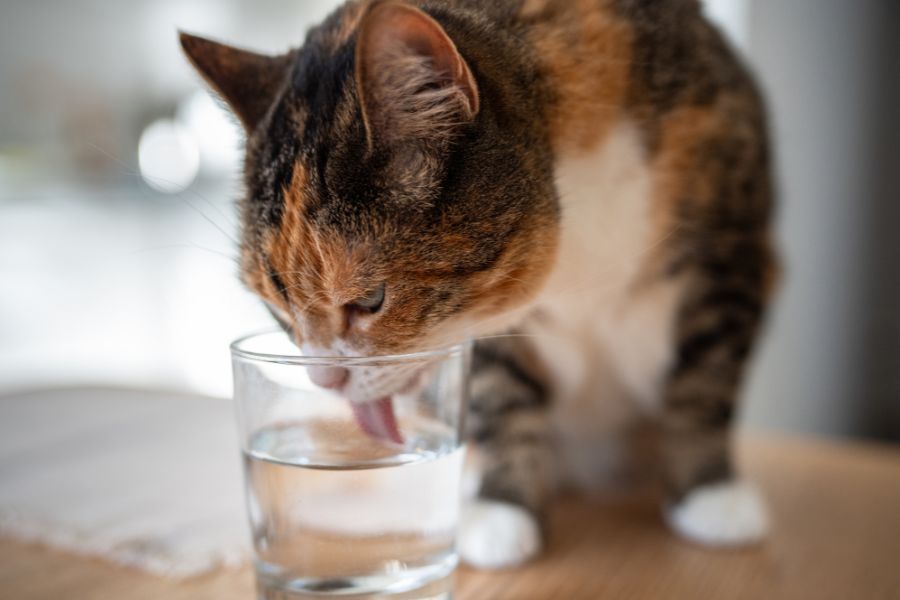
Cat health checkup signs that owners miss include subtle weight changes, slightly increased thirst, changes in litter box habits, reduced grooming, and decreased interest in play. These shifts happen gradually, and they are easy to rationalize. A half-pound weight loss over six months looks minor. On a ten-pound cat, it is a five percent body weight change and can signal something serious.
In our experience, cats brought in for routine exams are frequently found to have dental disease at a stage where intervention makes a real difference. The owner had no idea. Regular annual exams are the only way to catch what you cannot see at home. Mahopac, cat owners who schedule consistent wellness visits give their cats a meaningful health advantage.
How Annual Exams Actually Work
An annual exam benefits your pet in ways that go beyond a basic checkup. Here is what a thorough wellness visit typically includes:
- A full physical examination from nose to tail, including lymph nodes, joints, eyes, ears, and skin
- Weight assessment and body condition scoring to catch early obesity or unexplained loss
- Dental evaluation to grade tartar buildup and check for tooth resorption or gum disease
- Discussion of behavioral changes, litter box habits, appetite, and activity levels
- Blood and urine screening for cats over seven years old, or younger cats with risk factors
- Parasite screening and preventive recommendations based on your cat’s lifestyle
- Vaccine review to confirm your cat is current on core protection
An annual cat exam benefits your pet most when it happens consistently. A single baseline exam is valuable. A pattern of annual exams builds a medical history that makes it far easier to spot change over time.
At South Putnam Cat Care, our team understands that the vet visit experience matters as much as the exam itself. We work to keep the environment as calm as possible for cats who are already stressed by travel.
Making the Next Visit Easier
The best time to schedule your cat’s next wellness exam is before something goes wrong. Waiting until your cat shows symptoms means you are already behind the problem. Indoor cat vet care should follow the same annual rhythm as your own preventive healthcare.
If cost is a concern, speak with your veterinarian about prioritizing services or spacing them across visits. There are also pet wellness plans designed to spread the cost of preventive care throughout the year. The goal is never to leave your cat without access to care because of budget concerns.
In Mahopac and the surrounding Putnam County area, busy schedules make it easy to postpone a wellness visit that does not feel urgent. The problem is that annual cat exams are the most cost-effective form of care available. Catching a condition early almost always costs less to treat than addressing it after it has progressed.
Conclusion
The most important cat vet visit tip is simply this: schedule the appointment before you feel like you need one. If your cat has not been seen in the past year, make the call today. Staying current with annual care is the single most impactful decision you can make for your cat’s long-term health.
At South Putnam Cat Care, we are here to make that visit as comfortable and stress-free as possible for both of you. Book an appointment today.
Frequently Asked Questions
Q: How often should cats go to the vet for a checkup?
Ans: Healthy adult cats between one and seven years old should have a wellness exam once a year. Kittens and senior cats over seven typically need visits every six months because their health changes faster at those life stages.
Q: Do indoor cats really need annual vet visits?
Ans: Yes. Indoor cats are still at risk for dental disease, kidney disease, obesity, diabetes, hyperthyroidism, and other conditions that do not require outdoor exposure. An annual exam is the only way to catch these problems early.
Q: How do I get my cat into a carrier without a fight?
Ans: Leave the carrier out in your home year-round so your cat sees it as a normal object. Line it with a familiar blanket, feed your cat near it, and make short car trips that do not always end at the vet. Gradual positive associations reduce carrier stress significantly.
Q: What are the signs my cat needs to see a vet before the next annual visit?
Ans: Seek prompt veterinary attention if your cat stops eating, loses noticeable weight, drinks more water than usual, changes litter box habits, hides more than normal, or shows any sign of pain or breathing difficulty. These signs warrant a same-day appointment.
Q: What happens at a cat wellness exam?
Ans: A standard wellness exam includes a full physical assessment, dental evaluation, weight and body condition check, parasite screening, vaccine review, and a conversation about your cat’s behavior and habits at home. Bloodwork may be recommended based on your cat’s age and history.