$50 Off First Visit For New Clients


Why Does My Indoor Cat Meow So Much?
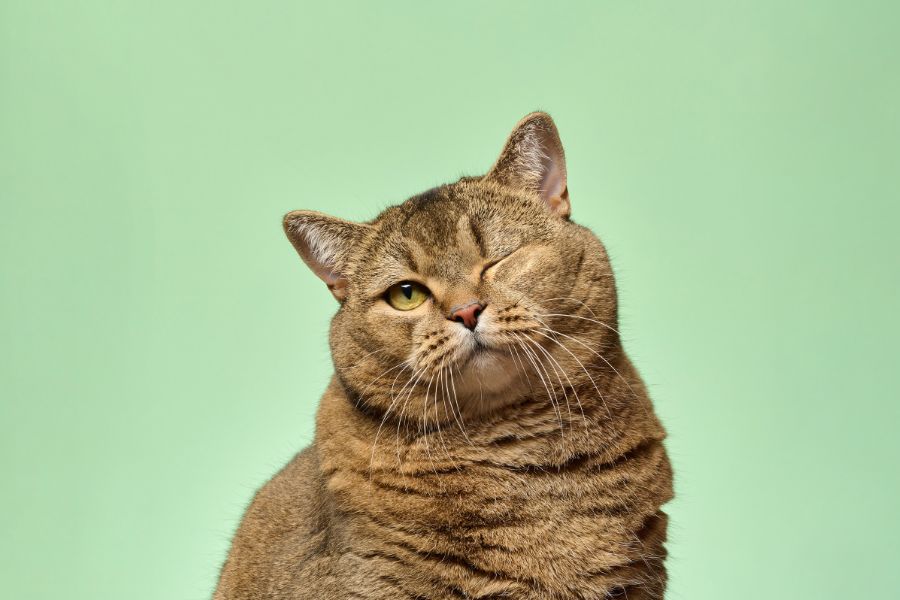
You sit down after a long day, and your cat immediately starts. One meow, then another, then a string of them that does not stop. You check the food bowl full. You look for something wrong nothing obvious. So why is your cat still going? If your indoor cat meowing too much has become a daily pattern, you are not alone. Many cat owners face this exact frustration. The good news is that excessive meowing almost always has a reason behind it, and once you understand what your cat is trying to communicate, you can start addressing the real cause. This article walks you through the most common triggers, the warning signs to watch for, and when a visit to the vet becomes the right next step.
What Your Cat Is Actually Trying to Tell You
Indoor cats are remarkably communicative animals, and meowing is their primary way of speaking to humans. Unlike feral cats, who rarely meow at each other as adults, domestic cats develop vocalization specifically to get our attention. So when your cat will not stop talking, it is not random noise. It is communication with a purpose.
There are several core reasons cats meow constantly, and most fall into a handful of clear categories: hunger or feeding schedule changes, boredom, social need, territorial stress, cognitive changes in older cats, and underlying medical issues. Each one produces a slightly different type of vocalization. A short, repetitive meow near the food bowl means something different than a long, low wail in the middle of the night.
Understanding the pattern is the first step. Pay attention to when the meowing happens, how long it lasts, and what your cat does right before or after. That context gives you and your veterinarian useful information to work with.
Warning Signs Your Cat’s Meowing May Signal a Problem
Not all meowing is benign. Some vocalizations point to discomfort, illness, or a behavioral issue that needs professional attention. Watch for these warning signs:
- Sudden increase in meowing with no clear cause: A cat that was quiet for years and is now vocal every day may be dealing with a medical issue, not a personality change.
- Meowing at night, especially in older cats: Nighttime yowling in senior cats is a common sign of feline cognitive dysfunction or hyperthyroidism, both of which are manageable conditions when caught early.
- Meowing paired with changes in appetite or thirst: If your cat is asking for water constantly or refusing food while vocalizing, these are red flags worth acting on.
- Crying near the litter box: This can signal a urinary issue, which in cats can escalate quickly and require prompt veterinary attention.
- Meowing while crouching or moving slowly: Pain often presents as vocalization paired with unusual posture or reluctance to jump.
Many cat owners assume their cat is simply demanding attention when the real cause is physical. In practice, a cat brought in for being “suddenly very vocal” often turns out to have early-stage hyperthyroidism, a condition that causes increased meowing along with weight loss and restlessness. The owner had noticed the meowing for months but attributed it to personality. Early detection made treatment far more straightforward.
If you notice any of these signs, contact your veterinarian promptly.
Common Behavioral Reasons Indoor Cats Meow Excessively
When medical causes have been ruled out, the explanation is usually rooted in your cat’s daily environment and routine. Cats are more emotionally complex than most people expect, and indoor life, while safe, can leave some needs unmet.
Boredom and under-stimulation top the list. Cats are natural hunters. Without outlets for that instinct, they redirect restless energy into vocalization. A cat meowing for attention in the afternoon is often a cat that has had nothing engaging to do all day. Interactive toys, window perches with outdoor views, and scheduled play sessions make a measurable difference.
Schedule disruption is another common trigger. Cats thrive on routine. A change in your work hours, a new family member, or even a shift in feeding time can spike vocalization. Reasons cats meow constantly often trace back to something in their environment that shifted recently. Think back: did something change around the time the meowing increased?
Social bonding needs also drive vocalization in cats. Despite their reputation for independence, many domestic cats crave consistent interaction. If your cat follows you from room to room while meowing, it is expressing a social need, not a behavioral problem. Scheduled daily play and lap time can significantly reduce these vocalizations.
In Mahopac, NY, many households have cats that spend all their time indoors through long winters. That extended confinement without adequate enrichment can amplify all of the above. Providing vertical space, rotating toys, and puzzle feeders during colder months makes a meaningful difference in behavioral vocalization.
How Age and Health Changes Affect Cat Vocalization
A cat that meows more as it gets older is not just being difficult. Age brings genuine physical and cognitive changes that directly affect vocalization patterns.
Feline cognitive dysfunction, sometimes compared to dementia in humans, is more common in senior cats than most owners realize. Cats with this condition often become disoriented, especially at night, and produce a distinctive, repetitive yowl that sounds distressed. The cat vocalizing more than usual at 2 a.m. is often not asking for food. It is confused and anxious.
Hyperthyroidism is another age-related condition that drives increased meowing. It accelerates a cat’s entire system, producing restlessness, weight loss despite increased appetite, and near-constant vocalization. Both conditions are diagnosable with routine bloodwork.
Hearing loss in senior cats can also increase meowing. A cat that can no longer hear itself accurately will sometimes vocalize more loudly and more frequently without realizing it. This is not a behavioral issue; it is a sensory one that a vet can help you navigate.
If your cat is over ten years old and has recently become more vocal, a senior wellness exam is the most practical first step.
When to See a Vet About Your Cat’s Meowing
Knowing when to call your vet versus when to adjust enrichment at home comes down to one question: is this new behavior, or has it always been there?
A cat that has always been chatty is probably just chatty. A cat that has become vocal over the past few weeks or months is telling you something has changed, and it is worth finding out what.
Bring your cat in if the meowing is accompanied by any physical symptoms, if it has increased sharply without an obvious environmental cause, or if your cat is over seven and showing new vocalization patterns. How to calm a meowing cat often starts with a clean bill of health from your vet, so you know for certain that what you are dealing with is behavioral and not medical.
South Putnam Cat Care focuses exclusively on cats and understands how to distinguish stress-related vocalization from physical triggers. A focused feline exam gives you real answers, not guesswork.
Conclusion
Excessive meowing is one of the most common concerns cat owners raise, and it is almost always solvable once the root cause is identified. Whether it is boredom, a schedule change, an unmet social need, or an underlying health condition, your cat is communicating something real. Indoor cat meowing too much is rarely just noise. It is a signal worth taking seriously. If the meowing is new, worsening, or paired with any physical changes, do not wait to see if it resolves on its own. Early evaluation leads to faster, easier solutions. Book an appointment today.
Frequently Asked Questions
Q: Why does my indoor cat meow so much at night?
Ans: Nighttime meowing in indoor cats is often linked to boredom, hunger, or the need for social interaction. In cats over seven years old, it can also signal feline cognitive dysfunction or hyperthyroidism. If nighttime yowling is new or worsening, a veterinary exam is recommended to rule out medical causes before addressing it behaviorally.
Q: Is it normal for indoor cats to meow more than outdoor cats?
Ans: Yes, indoor cats tend to be more vocal with their owners because they rely entirely on humans for interaction, stimulation, and their needs being met. Outdoor cats have more environmental input throughout the day, which reduces the need to vocalize. Providing enrichment for indoor cats can help moderate excessive meowing.
Q: My cat meows constantly right before mealtime. Should I be concerned?
Ans: Pre-meal meowing is normal and usually just learned behavior. If your cat has connected vocalizing with you getting up to fill its bowl, it will repeat that behavior. Sticking to a fixed feeding schedule and not responding to meowing by immediately providing food can reduce the pattern over time.
Q: Can stress make a cat meow more?
Ans: Yes. Changes in routine, new people or pets in the home, moving, or even rearranging furniture can increase a cat’s vocalization. Cats are creatures of habit, and disruption to their environment often produces anxiety-driven meowing. Providing a quiet retreat space and maintaining consistent routines can help reduce stress-related vocalization.
Q: When should I take my cat to the vet for excessive meowing?
Ans: Schedule a visit if the meowing is new, has increased noticeably over weeks or months, occurs primarily at night, or is paired with any changes in eating, drinking, weight, or litter box habits. These combinations suggest a medical cause that needs evaluation rather than a behavioral adjustment.