$50 Off First Visit For New Clients

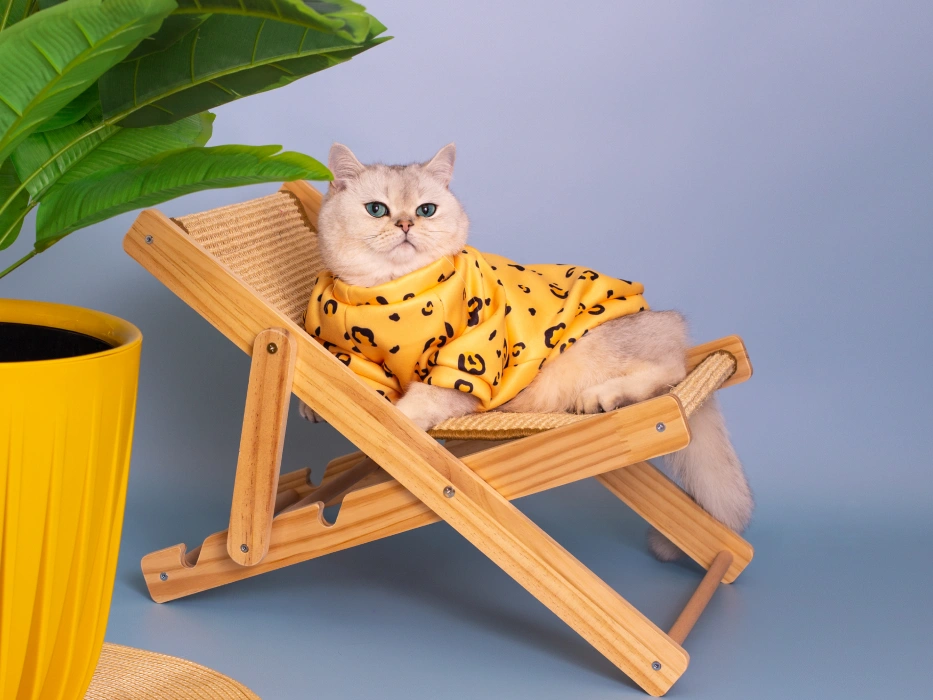
Helping Senior Cats Stay Comfortable and Active
Senior cats often slow down gradually, with changes that are easy to miss at first. Habits shift quietly, routines change in subtle ways, and new health patterns appear over time. South Putnam Animal Hospital has developed a dedicated approach to senior cat care in Mahopac, focusing on early awareness and consistent monitoring to support comfort and daily function.
Cats entering their later years often hide discomfort while continuing normal behavior on the surface. Recognizing these quieter signals enables earlier support for changes in mobility, appetite, and organ health that often develop gradually.
Physical Changes That Require Attention
Senior cats often develop gradual changes in mobility and organ function. Early identification helps guide supportive care decisions that maintain quality of life.
- Mobility changes: Stiff joints or reduced jumping ability may indicate arthritis or muscle loss, both of which are common in older cats and may require adjustments to aging cat care.
- Appetite variation: Changes in eating habits may signal dental discomfort or metabolic imbalance requiring vet evaluation.
- Hydration shifts: Increased or decreased water intake can reflect kidney or thyroid changes, which are commonly tracked during veterinary visits.
- Weight fluctuations: Gradual gains or losses often correlate with internal health shifts that benefit from routine vet monitoring.
These patterns are not always obvious at home, making structured assessments an important part of long-term feline wellness.
Monitoring Internal Health Systems
Organ function plays a major role in senior cat stability. Kidney, liver, and thyroid changes often develop slowly, requiring ongoing attention rather than isolated checks.
Routine veterinarian evaluations help track these internal systems through physical examination and diagnostic testing when needed. Changes in energy, appetite, and coat condition often provide early clues worth investigating.
Senior cat care includes reviewing hydration habits, digestion consistency, and litter box patterns. These everyday behaviors often reflect deeper health status before external signs appear.
Supporting Daily Comfort at Home
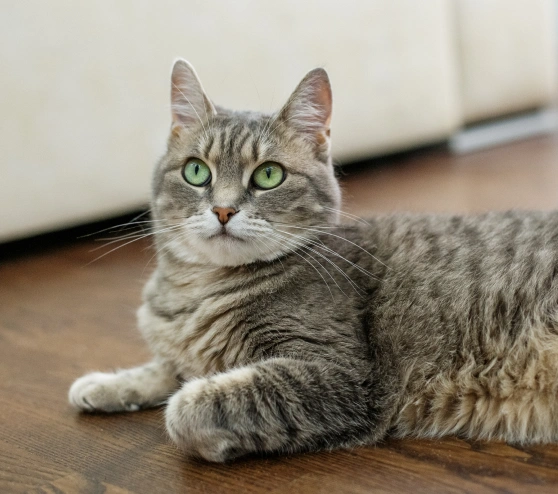
Home environment adjustments can support older cats as their needs evolve. Small changes often improve movement, rest, and daily comfort without disrupting familiar routines.
- Accessible resting areas: Lower or softer resting spots reduce joint strain and make movement easier throughout the day.
- Stable feeding routines: Consistent meal timing supports digestion and helps track appetite changes more accurately.
- Litter box adjustments: Easier entry designs help cats with reduced mobility maintain normal habits comfortably.
- Warm resting zones: Controlled warmth can ease stiffness and support relaxation in older joints.
Behavior Shifts and Emotional Patterns
Senior cats may show changes in interaction, sleep cycles, and vocalization. Some become quieter, while others seek more attention or prefer different resting locations.
At South Putnam Animal Hospital, behavioral shifts are reviewed alongside physical health findings. These combined observations help build a clearer understanding of overall well-being during each veterinary visit.
Caring for aging cats often requires understanding how their comfort needs change. Over time, they may become more sensitive to noise, light, or household activity.
Encouraging Early Awareness Habits
Senior cats benefit from early observation rather than delayed response. Noticing small differences often leads to more effective long-term support.
- Daily behavior tracking: Watching for subtle shifts in activity levels or social interaction.
- Routine appetite checks: Monitoring food intake consistency across meals.
- Grooming observation: Reduced grooming may signal discomfort or reduced flexibility.
- Litter box monitoring: Changes in frequency or pattern can indicate variations in internal health.
These habits align with structured veterinary oversight and improve understanding of how to care for your cat as they grow older.
Schedule Care for Your Aging Cat Today
Senior cats often show early signs that can be easy to overlook without regular evaluation. Consistent vet visits help identify changes in mobility, appetite, and internal health before they progress further. Contact South Putnam Animal Hospital to schedule a visit today, so our team can provide focused senior cat care in Mahopac designed to support long-term well-being at every stage of aging.