$50 Off First Visit For New Clients

Advanced Surgical Care for Better Mobility and Health
When your dog faces a condition that cannot be resolved through routine treatment, surgery can provide a path back to comfort and normal activity. At South Putnam Animal Hospital, we focus on thoughtful planning, careful procedures, and structured recovery support. We proudly provide dog surgery in Mahopac, guiding families through each step with clarity and purpose. Our veterinary team works closely with you to understand your dog’s condition and develop a plan tailored to their needs.
Understanding When Surgery Becomes Necessary
Certain health concerns require more than medication or observation. Surgery may be recommended when structural issues, injuries, or internal complications affect your dog’s quality of life.
Common situations include difficulty moving, persistent discomfort, growths, or ingestion of objects that cannot pass naturally. A veterinarian carefully evaluates each case and determines whether surgery offers the best outcome.
Early evaluation often leads to better results. Addressing issues promptly helps reduce complications and supports a smoother recovery process.
Preparing Your Dog for a Safe Procedure
Preparation plays a key role in ensuring your dog is ready for surgery. Each case begins with a detailed evaluation that allows our veterinarians to confirm readiness and identify any underlying concerns.
Before surgery, our vet team focuses on:
- Health evaluation: Reviewing overall condition to ensure your dog can safely undergo the procedure.
- Pre-surgical testing: Checking organ function and identifying any potential risks.
- Care planning: Outlining the procedure, recovery expectations, and next steps.
- Fasting guidance: Providing instructions to prepare your dog for anesthesia.
Each step is designed to support safety while helping you feel informed and prepared.
Spay and Neuter Procedures for Long-Term Health
Spay and neuter procedures are common surgical services that support long-term well-being. These procedures help prevent unwanted litters and reduce the risk of certain reproductive conditions.
Early intervention often supports faster recovery and allows your dog to return to normal routines sooner. These procedures also contribute to behavioral stability in many cases, supporting a more balanced lifestyle.
Soft Tissue Surgery for Internal Conditions
Soft tissue procedures address concerns involving the skin, organs, and internal structures. These surgeries are often necessary to correct injuries or treat internal abnormalities.
Common soft tissue procedures include:
- Wound repair: Treating injuries that require surgical closure.
- Organ procedures: Addressing issues affecting internal systems.
- Hernia correction: Repairing openings that impact internal structures.
Each veterinarian evaluates the condition and determines the most appropriate approach based on your dog’s needs.
Orthopedic Surgery to Restore Movement and Strength
Mobility challenges can affect your dog’s ability to stay active and engaged. Orthopedic procedures focus on bones, joints, and ligaments, helping restore function and reduce discomfort.
Conditions such as fractures or ligament injuries may require surgical correction. A veterinarian uses diagnostic tools to assess the issue and develop a plan to support recovery. Improved mobility allows your dog to return to daily activities with greater ease and stability.
Mass Removal Helps in Early Intervention
Growths on or under the skin can vary in nature and impact. Removing these masses allows for further evaluation and helps prevent complications.
Mass removal procedures involve careful excision while preserving surrounding tissue. Early removal often supports better outcomes and reduces the risk of progression.
Our veterinary team closely monitors healing, ensuring your dog remains stable during recovery.
Foreign Object Removal Prevents Obstruction Risks
Dogs often explore their environment through chewing, which can sometimes lead to ingestion of objects that cannot pass through the digestive system. When an obstruction occurs, surgical intervention may be required.
Signs of obstruction include vomiting, reduced appetite, and abdominal discomfort. A vet evaluates these symptoms and determines whether surgery is necessary.
Prompt action helps prevent complications and supports a quicker return to normal function. Our surgical service for dogs includes addressing these urgent situations with focused care.
What Recovery Looks Like After Surgery
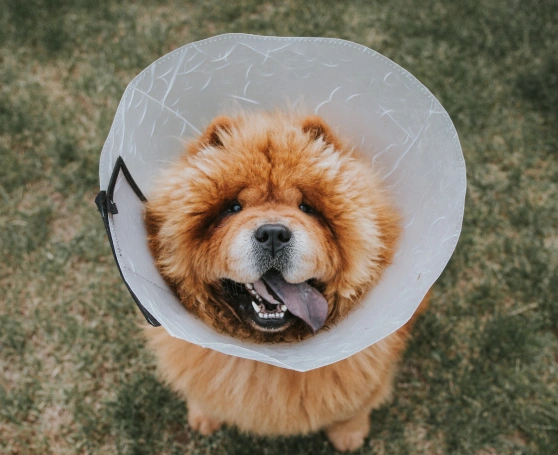
Recovery after surgery plays an important role in achieving the best outcome. Clear instructions help you support your dog’s healing process at home.
Post-surgical care includes:
- Activity restriction: Limiting movement to allow proper healing.
- Medication management: Following prescribed instructions carefully.
- Wound monitoring: Observing the surgical site for signs of healing.
- Follow-up visits: Scheduling checkups to track recovery.
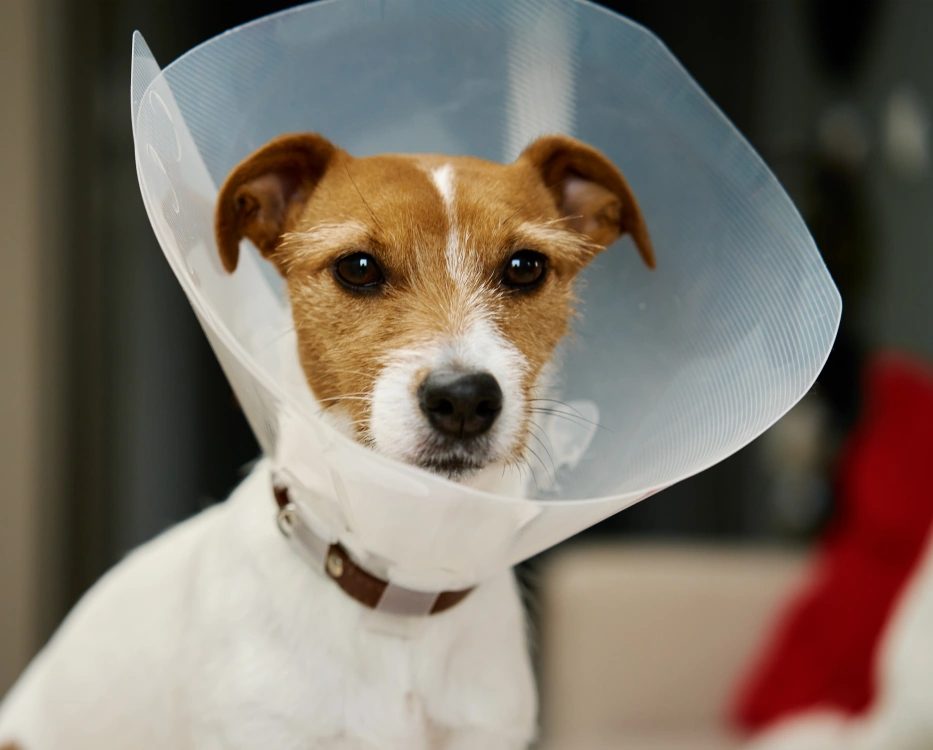
A veterinarian provides guidance to ensure your dog’s recovery remains on track and to minimize complications.
Take the Next Step Toward Better Health
Changes in mobility, appetite, or behavior may indicate the need for surgical evaluation. We provide dog surgery in Mahopac that addresses underlying concerns and supports recovery. Book an appointment with South Putnam Animal Hospital to help your dog receive timely care, clear guidance, and a path toward improved comfort and long-term health.