$50 Off First Visit For New Clients

Potty Training Your New Puppy: A Vet-Approved Guide
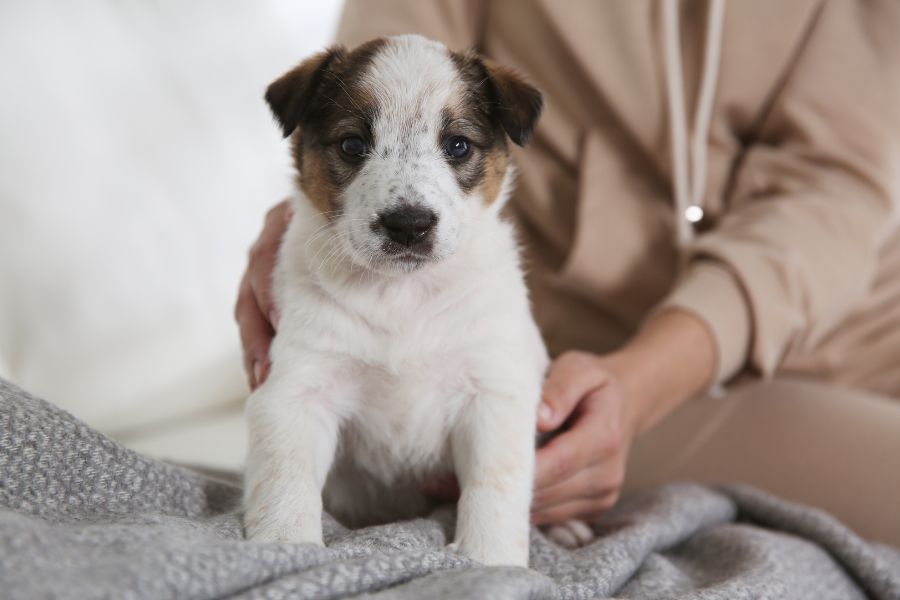
Potty training your new puppy is one of the first and most important steps in raising a happy, well-behaved dog. With the right approach, consistency, and patience, you can teach your puppy where and when to go. In this vet-approved guide to potty training your new puppy, we’ll cover proven techniques, common mistakes, and practical tips to help you succeed quickly, especially for pet owners dealing with seasonal weather changes.
Why Potty Training Your New Puppy Matters
Potty training is more than just keeping your home clean; it sets the foundation for your puppy’s behavior and routine. Puppies thrive on structure, and teaching them proper bathroom habits early helps reduce stress for both you and your pet.
A well-trained puppy will:
- Understand boundaries
- Develop a consistent routine
- Build trust with you as their owner
In areas where winters can be cold and snowy, early potty training also helps your puppy adapt to outdoor conditions.
When to Start Potty Training Your New Puppy
The best time to start potty training your new puppy is as soon as you bring them home usually around 8 weeks old. At this age, puppies are learning quickly and are more receptive to routines.
However, keep in mind:
- Puppies under 12 weeks have limited bladder control
- They may need bathroom breaks every 1–2 hours
- Accidents are normal during the early stages
Consistency is far more important than perfection at this stage.
Understanding Your Puppy’s Bathroom Signals
Before accidents happen, puppies usually give subtle signs that they need to go. Recognizing these cues is key to successful potty training.
Common signs include:
- Sniffing the floor
- Circling in one spot
- Whining or barking
- Suddenly stopping play
As soon as you notice these behaviors, take your puppy outside immediately to their designated potty area.
Step-by-Step Potty Training Routine
Creating a structured routine is the most effective way to succeed in potty training your new puppy.
1. Establish a Feeding Schedule
Feed your puppy at the same times each day. This helps regulate their digestion and makes bathroom timing predictable.
2. Take Frequent Bathroom Breaks
Puppies should go outside:
- First thing in the morning
- After meals
- After naps
- After playtime
- Before bedtime
3. Choose a Potty Spot
Always take your puppy to the same outdoor location. The familiar scent encourages them to go.
4. Use Positive Reinforcement
Immediately praise or reward your puppy after they go in the right place. Treats, verbal praise, or affection work well.
5. Supervise Indoors
Keep a close eye on your puppy when indoors. If you can’t supervise, use a crate or playpen to prevent accidents.
Crate Training and Its Role in Potty Training
Crate training is a powerful tool when used correctly. Dogs naturally avoid soiling their sleeping area, which helps teach bladder control.
Tips for effective crate training:
- Choose the right crate size (not too big)
- Never use the crate as punishment
- Take your puppy out immediately after crate time
For busy pet owners, crate training can make managing your puppy’s routine much easier.
Common Potty Training Mistakes to Avoid
Even with the best intentions, mistakes can slow down progress. Here are some common pitfalls:
Inconsistency
Changing schedules or rules confuses your puppy.
Punishing Accidents
Punishment can create fear and anxiety, making training harder.
Not Going Outside Often Enough
Young puppies need frequent breaks—waiting too long leads to accidents.
Skipping Rewards
Positive reinforcement is essential for reinforcing good behavior.
How Long Does Potty Training Take?
Every puppy is different, but most puppies become reliably potty trained within 4–6 months. Smaller breeds may take longer due to smaller bladders.
Factors that affect training speed:
- Breed and size
- Consistency of routine
- Owner involvement
- Living environment
Indoor vs Outdoor Potty Training
While outdoor training is preferred, some pet owners choose indoor options like pee pads, especially during harsh winters.
Outdoor Training Pros:
- More natural for dogs
- Easier long-term habit
Indoor Training Pros:
- Convenient during bad weather
- Useful for apartments
If you start with indoor training, gradually transition your puppy to outdoor potty habits for long-term success.
Handling Accidents the Right Way
Accidents are part of the process when potty training your new puppy. The key is handling them properly.
What to do:
- Clean the area thoroughly to remove odors
- Use enzyme-based cleaners
- Stay calm and avoid punishment
What NOT to do:
- Rub your puppy’s nose in the mess
- Yell or scold harshly
Remember, accidents are learning opportunities, not failures.
Seasonal Potty Training Tips
Living in Mahopac means dealing with cold winters and wet seasons, which can impact potty training.
Winter Tips:
- Keep potty breaks short but frequent
- Use a designated cleared area in snow
- Consider puppy-safe winter gear
Rainy Day Tips:
- Use covered potty areas if possible
- Reward your puppy extra for going outside
Adjusting your routine based on weather helps maintain consistency year-round.
When to Seek Veterinary Advice
If your puppy is struggling despite consistent training, there may be an underlying issue.
Watch for:
- Frequent accidents beyond expected age
- Difficulty holding urine
- Signs of discomfort while urinating
A quick visit to South Putnam Animal Hospital can help rule out medical concerns to ensure your puppy is healthy.
Conclusion:
Potty training your new puppy requires patience, consistency, and the right approach—but the results are well worth the effort. By following a structured routine, understanding your puppy’s signals, and using positive reinforcement, you can set your pet up for lifelong success.
If you’re a puppy owner in Mahopac and facing challenges or need expert puppy care guidance, don’t hesitate to schedule a visit at South Putnam Animal Hospital today. Early support can make all the difference in your puppy’s development.
FAQs
Q1: How often should I take my puppy out for potty training?
Ans: Take your puppy outside every 1–2 hours, especially after meals, naps, and playtime. Frequent trips help prevent accidents and build a consistent bathroom routine.
Q2: What is the fastest way to potty train a puppy?
Ans: The fastest method is consistency, scheduled feeding, frequent outdoor breaks, and immediate rewards after successful potty trips. Positive reinforcement speeds up learning significantly.
Q3: Should I use puppy pads or go straight to outdoor training?
Ans: Puppy pads can be helpful initially, especially in apartments, but transitioning to outdoor potty training early ensures better long-term habits and fewer accidents.
Q4: Why does my puppy keep having accidents indoors?
Ans: Accidents usually happen due to inconsistent schedules, lack of supervision, or incomplete training. Young puppies also have limited bladder control, which improves with time.
Q5: When is a puppy fully potty trained?
Ans: Most puppies are fully potty trained between 4–6 months, though some may take longer depending on breed, routine consistency, and overall training approach.