$50 Off First Visit For New Clients


10 Daily Routines That Make Your Dog Feel Safe, Loved, and Happy
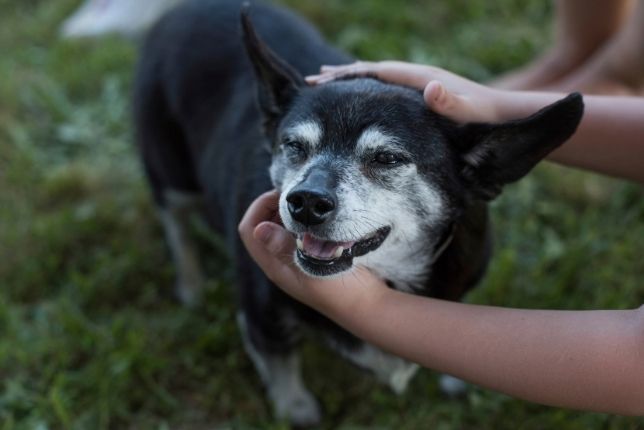
Dogs are creatures of habit. When life feels predictable, they feel calm. When they know what comes next, they thrive. Building strong daily routines for dogs is one of the most powerful things you can do for your pet’s emotional health, and it costs nothing but consistency. Whether you have a high-energy rescue or a mellow senior, structure gives your dog something to count on every single day. This guide walks through 10 simple habits that help dogs feel genuinely safe, deeply loved, and consistently happy.
What Consistent Structure Does to a Dog’s Brain
Dogs evolved alongside humans partly because they are wired to track patterns. When those patterns hold, the brain stays calm. When they break, cortisol rises and anxiety follows.
Research suggests that dogs with predictable schedules show fewer stress behaviors like excessive barking, pacing, and destructive chewing. An estimated 70% of behavioral issues in dogs are rooted in anxiety, and a significant portion of those are environment-driven rather than genetic. That means a stable home routine can prevent behavioral problems before they ever start.
Think of structure as a silent signal you send your dog all day long: “You are safe here. I’ve got you.”
10 Daily Habits That Help Dogs Feel Secure
If you’ve ever wondered what daily routines for dogs actually look like in practice, here are the ten that make the biggest difference.
1. Wake up at the same time every morning. Dogs track sunrise, sound, and your movement. Waking at a consistent hour anchors their entire day.
2. Feed meals at fixed times. Irregular feeding creates low-grade anxiety. Two meals at the same time daily keeps energy stable and reduces food-guarding behavior.
3. Take a morning walk before the house gets busy. Morning movement burns nervous energy and resets mood. Even 15 minutes makes a measurable difference.
4. Give a designated calm space. A specific bed, crate, or corner where your dog is never disturbed teaches them they always have a retreat.
5. Use consistent cues and commands. Dogs learn language patterns. Switching between “off,” “down,” and “no” for the same behavior creates confusion. Pick one word. Stick to it.
6. Practice 5 minutes of intentional training daily. Short, positive sessions build confidence, strengthen the bond, and give mental stimulation that physical exercise alone cannot provide.
7. Offer midday check-ins when possible. If you work from home or return for lunch, that brief interaction resets your dog’s emotional state and reduces separation-related stress.
8. Build a pre-dinner wind-down. A quiet walk or calm play session before the evening meal helps dogs transition out of the high-energy afternoon window.
9. Create a bedtime ritual. Same time, same sequence. Whether it’s a final bathroom break, a short brush, or just five minutes of quiet sitting together, the ritual signals the day is done.
10. End every day with physical contact. A brief scratch, a pat, or just sitting close. Physical touch releases oxytocin in both dogs and humans. It is one of the simplest signs your dog feels safe in your home.
Signs Your Dog Is Thriving and Signs Something Is Off
Knowing the signs your dog feels safe takes the guesswork out of whether your routines are working.
Positive signs to look for:
- Relaxed body posture with soft eyes and a loose jaw
- Sleeping soundly and deeply, especially in open spaces
- Greeting you calmly rather than frantically
- Engaging with toys and play on their own
- Eating consistently and without guarding behavior
Signs a routine may be missing or needs adjustment:
- Pacing or whining before usual activity times
- Accidents inside despite being house-trained
- Excessive barking when you leave or return
- Hiding, flinching, or avoiding interaction
- Destructive behavior that appears out of nowhere
If you’re seeing more items in that second list, the issue is usually not your dog it’s the consistency of the day.
One thing we see often in Mahopac and across Westchester County: pet owners come in convinced their dog has a behavioral problem when the real issue is that the family schedule shifted significantly, a new baby arrived, or a move disrupted everything the dog had learned to expect. Once structure returns, the behavior usually follows.
How Dog Mental Health Ties Directly to Physical Health
Dog mental health tips are not separate from physical wellness; they are the same conversation.
Chronic stress suppresses immune function in dogs the same way it does in humans. Dogs living in high-anxiety environments are more prone to gastrointestinal issues, skin conditions, and repeat infections. On the flip side, dogs with stable emotional lives tend to eat better, sleep more deeply, and recover faster when illness does strike.
This is why how to make dogs happy is not just a feel-good question. It is a medical one. A calm dog is a healthier dog, full stop.
One frequently overlooked piece: mental stimulation. Dogs who are bored are not just annoying; they are physiologically stressed. Nose work, puzzle feeders, and short training sessions satisfy the working part of a dog’s brain that a walk alone cannot reach.
When to Bring Your Vet Into the Conversation
Routine and love are powerful, but they are not substitutes for professional care. Regular veterinary care for dogs catches what daily observation misses early signs of pain, hormonal imbalances like hypothyroidism, and neurological changes that can all look like behavioral issues on the surface.
If your dog’s anxiety is sudden, severe, or not responding to routine adjustments, schedule an appointment. What looks like a dog “acting out” is sometimes a dog in pain.
Partnering with a veterinarian who knows your dog’s baseline health makes it much easier to distinguish environmental stress from a medical trigger. South Putnam Animal Hospital welcomes pet owners who want that kind of ongoing, whole-health relationship for their dogs. Book an appointment today.
Building Routines That Last
The biggest mistake pet owners make is designing a perfect schedule and then abandoning it the moment life gets busy. Dogs do not need perfection. They need consistency.
Start with two anchors: a morning meal and an evening walk, at the same time every day. Build from there. Add one new routine element per week so neither you nor your dog gets overwhelmed. Over time, the structure becomes automatic for both of you.
These daily routines for dogs are not about control. They are about communication. Every predictable moment you give your dog is a message that says, “I am here, I am steady, and you are safe.” That message, repeated daily, is the foundation of a genuinely happy dog.
Frequently Asked Questions
Q: How long does it take for a dog to adjust to a new daily routine?
Ans: Most dogs adapt to a new routine within two to four weeks. Younger dogs and puppies may adjust faster, while anxious or older dogs may take a bit longer. Consistency during the transition period is the most important factor.
Q: Can a lack of routine cause anxiety in dogs?
Ans: Yes. Dogs are pattern-driven animals, and unpredictable schedules are a common source of low-grade chronic anxiety. Irregular feeding times, inconsistent walks, and erratic social interaction can all contribute to stress behaviors like pacing, excessive barking, and destructive chewing.
Q: Do senior dogs need routines as much as younger dogs?
Ans: Senior dogs often need routines even more. As dogs age, changes in vision, hearing, and cognitive function make the world feel less predictable. A consistent schedule reduces confusion and helps aging dogs feel grounded and calm.
Q: What is the single most important daily routine for a dog?
Ans: Mealtimes at fixed hours have the most broad impact because they regulate energy, digestion, and mood simultaneously. If you can only stabilize one thing in your dog’s day, start there.
Q: When should I talk to a vet about my dog’s anxiety or behavior?
Ans: If stress behaviors are sudden, worsening, or not improving after two to three weeks of consistent routine, speak with your veterinarian. Sudden behavioral changes can sometimes indicate an underlying medical issue that needs professional evaluation.