$50 Off First Visit For New Clients

Winter Grooming for Pets: Do’s and Don’ts You Need to Know
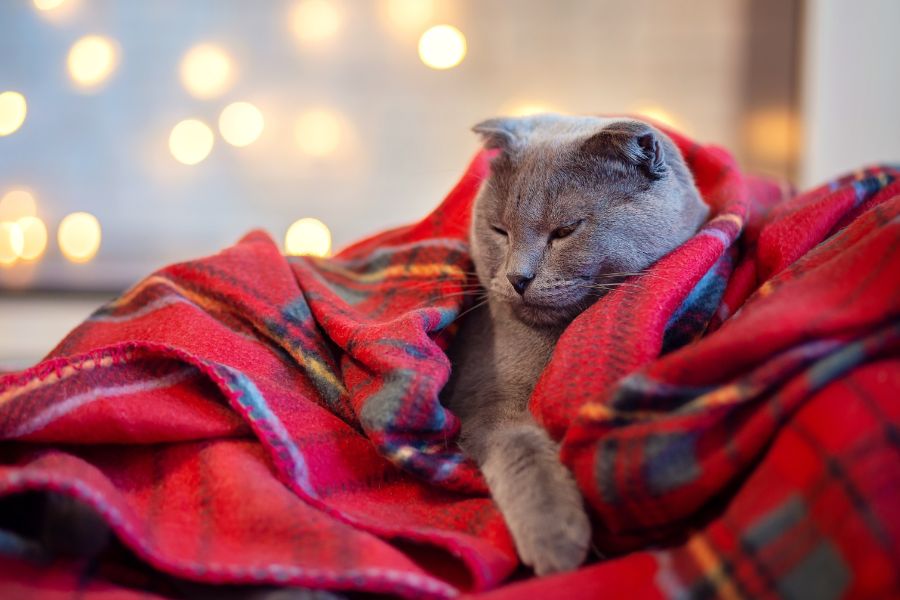
Winter can be tough on your pet’s skin, coat, and paws. Cold air, snow, salt, and dry indoor heat all impact how you should care for your dog or cat during the colder months. In this guide on Winter Grooming for Pets, you’ll learn the essential do’s and don’ts to help you groom pets in winter safely, protect their skin, choose the right shampoo, and keep their paws healthy. Whether you’re looking for cold-weather pet care tips, this article covers everything you need to keep your furry friend comfortable.
Why Winter Grooming for Pets Matters
Grooming routines often change with the seasons, but in winter, they become even more important. Cold weather and low humidity can dry out your pet’s skin, making them itch more frequently. Snow, ice, and salt can irritate their paws, while their winter coat may trap moisture and debris.
A solid grooming plan helps:
- Reduce skin irritation and dryness
- Maintain a clean, healthy coat
- Protect paws from cracking or chemical irritants
- Prevent matting that traps moisture and causes infections
Even indoor-only pets need attention since heated homes can dry their skin and lead to flaking.
Do’s for Grooming Pets in Winter
DO Brush Regularly to Prevent Matting
Winter coats tend to be thicker, making brushing more essential. Mats trap moisture, causing odor, skin irritation, and even hot spots. Brush dogs and cats at least 2–3 times per week to keep their coat smooth and healthy.
DO Use Moisturizing Products for Skin and Coat
Dry winter air can cause flaky skin. Use a hydrating conditioner or a vet-approved leave-in spray to lock in moisture. When choosing the best shampoo for dogs in winter, opt for formulas labeled as:
- Oatmeal-based
- Hypoallergenic
- Moisturizing
- Soap-free
Avoid overwashing, which strips natural oils.
DO Trim Hair Carefully: Especially Around Paws
Long hair between paw pads can collect snow, ice, and salt that form painful ice balls. Trimming fur around paw pads reduces irritation and helps with traction on icy surfaces.
DO Protect Paws from Salt and Ice Melt
For dog paw care in winter, consider:
- Applying a paw balm before walks
- Using protective booties
- Washing paws with warm water after coming inside
- Drying thoroughly to prevent cracking
Salt and de-icers can cause chemical burns, so quick cleaning is important.
DO Keep Pets Dry After Outdoor Activity
Never let your pet stay damp for long. Use a towel or pet-safe dryer to remove moisture. Damp fur combined with winter cold can lead to skin infections and a decrease in body temperature.
Don’ts for Grooming Pets in Winter
DON’T Shave Your Pet Too Short
Even though grooming is important, avoid shaving your pet down to the skin. Their coat provides essential insulation in winter. If trimming is necessary, leave at least one inch of fur.
DON’T Bathe Too Frequently
Bathing too often removes the natural oils your pet needs for healthy skin. During winter, limit baths to once every 4–6 weeks unless your veterinarian recommends otherwise.
DON’T Ignore Signs of Winter Skin Problems
If you notice these issues, your pet may need special care:
- Redness
- Excessive scratching
- Flaking skin
- Hot spots
- Hair loss
Dry winter conditions can worsen underlying allergies. Contact your nearest veterinarian if symptoms persist.
DON’T Forget to Check for Ice Balls and Debris
Dogs with long fur are especially prone to forming clumps of ice between toes or on the belly. This can be painful and lead to skin irritation. Check and remove these after every walk.
DON’T Use Human Grooming Products
Shampoos, conditioners, and moisturizers made for humans can disrupt your pet’s pH balance. Always choose pet-formulated grooming products.
Cat Grooming in Winter: What’s Different?
Cats may not spend as much time outdoors, but winter still affects them. Their skin can dry out from indoor heating, and long-haired breeds are at risk for matting. Regular brushing prevents hairballs and keeps their coat healthy.
Key winter grooming tips for cats:
- Brush often to prevent matting and excess shedding
- Avoid overbathing—cats rarely need winter baths
- Use a humidifier to reduce dry skin
- Monitor paw pads if they go outdoors
- Provide extra hydration to support skin health
Indoor cats may also enjoy warm grooming sessions, which help reduce stress.
Cold Weather Pet Care Tips Beyond Grooming
Grooming is just one aspect of winter wellness. To keep your pet healthy during the colder months, consider these essentials:
Maintain Proper Hydration
Pets often drink less in winter. Dehydration makes dry skin worse. Offer fresh water regularly and consider a pet fountain to encourage drinking.
Adjust Diet for Activity Levels
If your dog exercises less in winter, reduce calories slightly to prevent weight gain. Active dogs may require more calories to maintain body temperature.
Provide Warm, Draft-Free Sleeping Areas
Cold floors can be uncomfortable. Use elevated beds, blankets, or heated pet mats to help them stay warm.
Watch for Signs of Cold Stress
Common signs that your pet is too cold include:
- Shivering
- Tucked tail
- Whining or reluctance to walk
- Lifted paws from icy discomfort
If you notice these symptoms, bring your pet indoors immediately.
How Often Should You Groom Pets in Winter?
A consistent grooming schedule prevents winter-related skin and coat problems. Here’s a simple guide:
- Brushing: 2–4 times per week
- Bathing: Every 4–6 weeks
- Paw checks: After every outdoor walk
- Trimming: Every 6–8 weeks or as needed
- Ear cleaning: Once every 2–3 weeks
Regular grooming also makes it easier to spot lumps, bumps, or changes in your pet’s skin.
When to See a Veterinarian for Winter Skin or Coat Problems
Winter can worsen skin allergies, bacterial infections, and dryness. Seek professional care from a veterinarian in Mahopac if you notice:
- Persistent itching
- Red, inflamed skin
- Bald patches
- Strong odor from the skin
- Cracked or bleeding paws
- Excessive dandruff
Winter grooming plays a major role in keeping your dog or cat comfortable during the colder months. By brushing frequently, protecting their paws, choosing the right winter-safe products, and avoiding common grooming mistakes, you can maintain a healthy coat and prevent irritation. If you’re in Mahopac, NY, and searching for a trustworthy veterinarian near me, South Putnam Animal Hospital is here to provide gentle, expert veterinary support whenever your furry companion needs it.
FAQs
Q1: How often should I groom my dog in winter?
Ans: Most dogs need brushing several times per week and a bath every 4–6 weeks. Regular grooming prevents matting and keeps winter skin irritation under control.
Q2: What is the best shampoo for dogs in winter?
Ans: Moisturizing oatmeal or hypoallergenic shampoos work best during cold months. They soothe dry skin without stripping natural oils.
Q3: How do I protect my dog’s paws in winter?
Ans: Use paw balm or booties, trim fur around paw pads, and wash paws after walks to remove salt and ice melt.
Q4: Do indoor cats need winter grooming?
Ans: Yes. Indoor heating dries their skin, and long-haired cats can still develop mats. Regular brushing keeps their coat healthy.
Q5: When should I call a veterinarian for winter skin problems?
Ans: If your pet shows persistent itching, redness, hair loss, or cracked paws, contact a veterinarian promptly for proper diagnosis and treatment.