$50 Off First Visit For New Clients

Weight Management Tips for Overweight Dogs and Cats
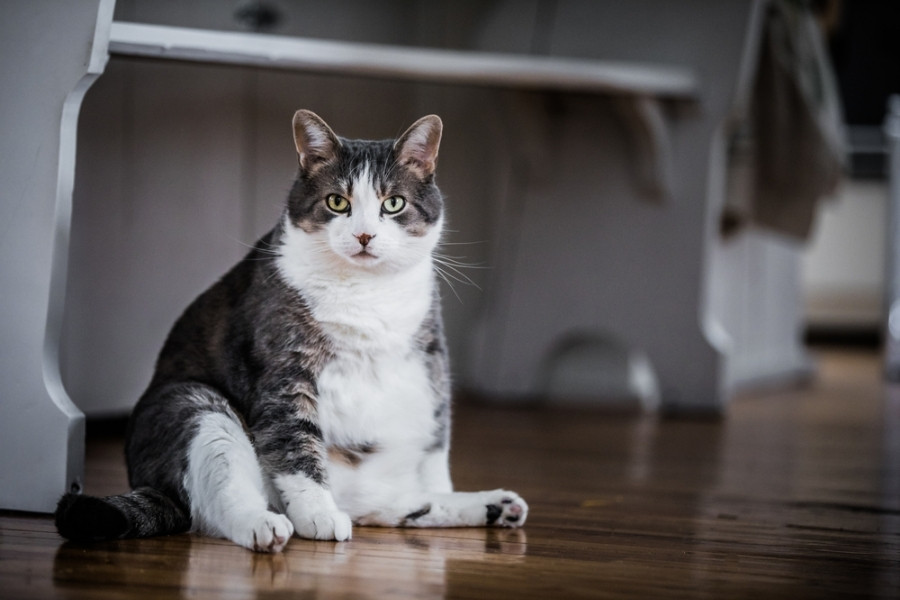
A chubby dog or cat may look adorable, but extra pounds can silently harm their health. Overweight pets face greater risks of diabetes, arthritis, heart disease, and even shortened lifespans. Because pets depend on us for meals, exercise, and care, it’s up to owners to help them stay fit. With the right strategies—and support from veterinarians—you can give your companion the gift of long-term health.
Spotting the Signs of an Overweight Pet
Before you can manage your pet’s weight, you need to confirm if they’re actually overweight. Here’s what to look for:
- Difficulty feeling ribs under a layer of fat.
- A lack of a visible waistline when viewed from above.
- Reduced stamina and reluctance to play or exercise.
- Difficulty jumping or moving as easily as before.
Veterinarians can also assess your pet’s Body Condition Score (BCS) during a regular checkup, giving you a clear view of their weight placement on a healthy scale.
Portion Control: Less Guessing, More Measuring
One of the most overlooked causes of weight gain in pets is overfeeding. Scooping food without measuring often adds hundreds of extra calories each week. Instead, use a proper measuring cup or kitchen scale. Always follow your vet’s recommended feeding guide instead of relying on packaging labels alone. Transitioning slowly to controlled portions helps your pet adjust without feeling deprived.
The Sneaky Culprit: Treats and Table Scraps
While treats strengthen bonding, they add empty calories quickly. You don’t need to cut them out completely—you just need smarter alternatives:
- Swap fatty treats with small carrot or apple bites.
- Choose low-calorie commercial treats approved by your vet.
- Break larger treats into smaller pieces so rewards don’t pile up.
Additionally, resist the temptation to offer table scraps. Human food is often too fatty or salty for pets and can encourage begging behaviors that are hard to undo.
Fun and Fitness: Exercise That Works for Pets
Weight management is not just about cutting back on food—it’s also about boosting activity. Regular exercise keeps their metabolism active, burns calories, and improves mood.
- Dogs thrive on daily walks, fetch sessions, or short agility games.
- Cats benefit from interactive toys, laser pointer chases, or climbing towers.
Start with attainable goals. Even a 10-minute daily session can make a difference, and as your pet builds stamina, you can gradually increase intensity.
Slow and Steady: The Healthy Approach to Weight Loss
Rapid weight loss can harm your pet, especially cats who risk developing liver disease if they shed pounds too fast. A safe target is usually 1–2% of body weight per week, but always check with your vet first. Track progress with regular weigh-ins, and use positive reinforcement to keep your pet motivated.
The Role of Veterinarians
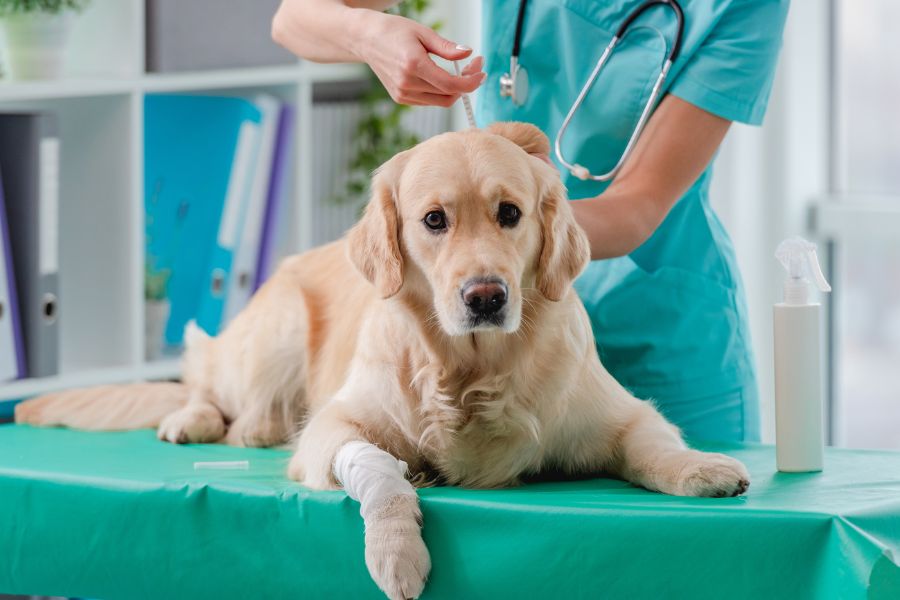
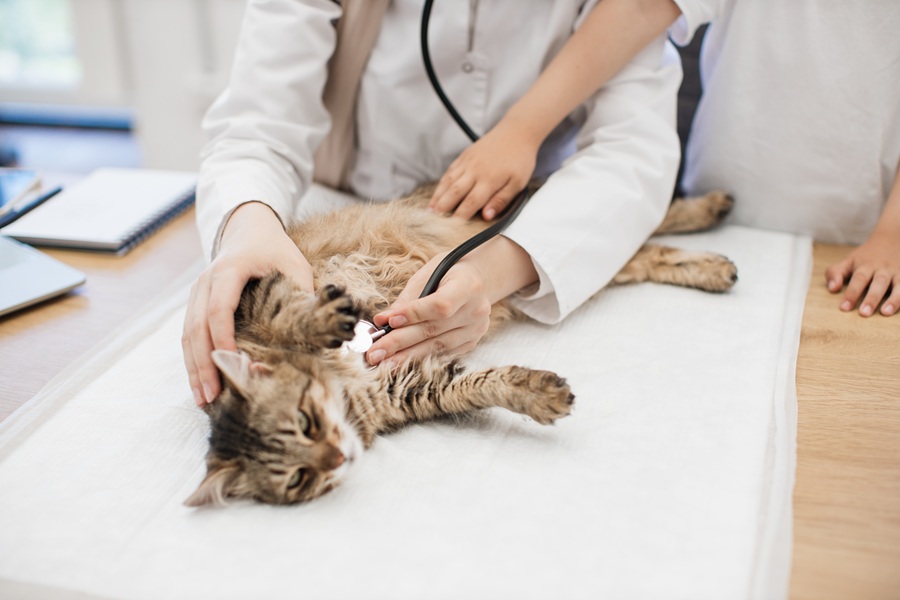
Managing weight isn’t about guesswork—it requires careful planning. Veterinarians in Mahopac provide individualized weight management programs by:
- Assessing current diet and lifestyle.
- Recommending specialized food formulas.
- Monitoring progress with regular checkups.
- Suggesting exercise routines tailored to your pet’s breed and health.
With their help, you ensure safe weight loss and long-term health for your furry friend.
Building Healthy Habits That Last
Weight management doesn’t stop once your pet reaches their goal weight. Instead, it becomes a lifelong lifestyle change. Stick with portion control, schedule consistent activity, and keep veterinary visits a priority. Your continuous efforts will reward your pet with more energy, better mobility, and more quality years by your side.
FAQs
Q1. How do I know if my dog or cat is overweight?
Ans. You may notice difficulty feeling ribs, lack of a waistline, and lower energy levels. Your veterinarian can provide a professional evaluation.
Q2. Can overweight pets lose weight with just diet changes?
Ans. Diet helps significantly, but combining portion control with exercise is more effective.
Q3. How quickly should my pet lose weight?
Ans. Healthy weight loss should be gradual—about 1–2% of body weight per week. Consult your vet for safe guidelines.
Q4. Do special diet foods really make a difference?
Ans. Yes. Prescription or veterinary-recommended diet foods are formulated to manage calories while maintaining nutrition.
Q5. What exercises are safe for overweight older pets?
Ans. Gentle walks, slow play sessions, or low-impact activities like swimming (for dogs) are ideal. Avoid exercises that stress their joints.
Q6. Why should I seek help from veterinarians?
Ans. Local experts create customized, safe weight loss plans while monitoring your pet’s progress, ensuring long-lasting results.