$50 Off First Visit For New Clients


Warning Signs of Diabetes in Cats You Shouldn’t Ignore
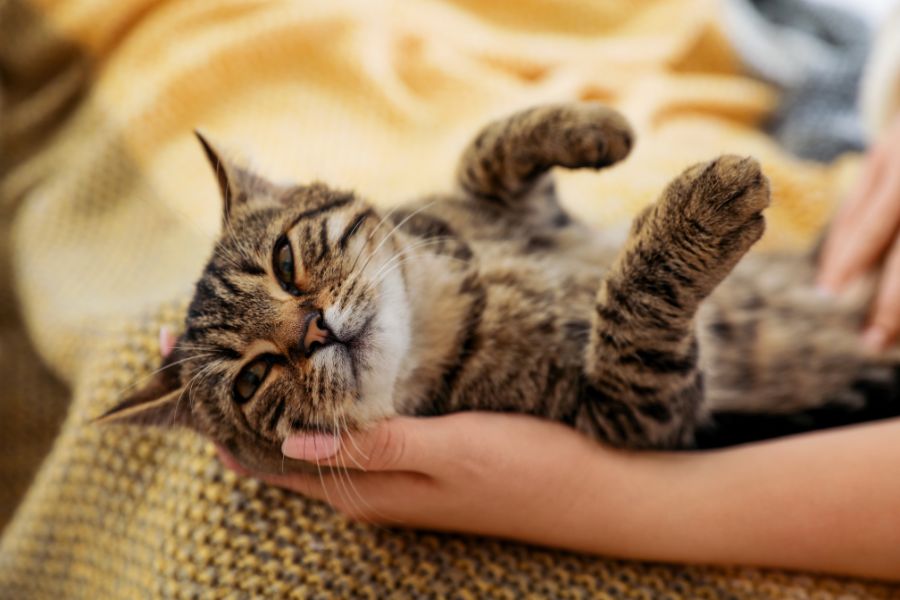
Your cat is drinking from the faucet again. She’s visited the litter box four times in the last hour. You tell yourself it’s probably nothing, but something feels off. These moments matter. Feline diabetes is one of the most underdiagnosed conditions in cats, partly because the early signs are easy to write off as quirks or aging. Studies suggest that between 0.5% and 1% of cats will develop diabetes in their lifetime, with middle-aged and older cats, especially those who are overweight, carrying a significantly higher risk. The warning signs of diabetes in cats are often subtle at first, then impossible to ignore. This article walks you through what to watch for, what causes the condition, how it’s diagnosed, and what you can do to protect your cat’s health before symptoms worsen.
What Feline Diabetes Actually Does
Diabetes in cats occurs when the body either stops producing enough insulin or stops responding to it properly. Insulin is what allows glucose to enter cells and be used as energy. Without it, glucose builds up in the bloodstream while cells essentially starve.
Most cats develop Type 2 diabetes, similar to the most common form seen in humans. This means the body produces some insulin, but the cells have become resistant to it. Over time, blood sugar climbs, organs come under stress, and the cat’s body begins breaking down fat and muscle for fuel instead.
Feline diabetes is estimated to affect approximately one in every 230 cats. Overweight cats, indoor cats with low activity levels, and male cats over the age of eight are at the highest risk. Neutered males are particularly predisposed, though the condition can affect any cat regardless of sex or breed.
What Are the Warning Signs of Diabetes in Cats?
Feline diabetes causes a recognizable cluster of symptoms. The earlier you spot them, the better the outcome for your cat.
The core warning signs include:
- Increased thirst: Your cat is drinking noticeably more water than usual. This happens because the kidneys work overtime to flush excess glucose from the blood.
- Frequent urination: More drinking leads to more trips to the litter box. You may also notice the litter clumps are larger than normal.
- Increased appetite with weight loss: Diabetic cats are often hungry despite eating well, because their cells cannot access glucose for energy.
- Lethargy: Cats with uncontrolled blood sugar often sleep more, play less, and seem generally flat in their energy and personality.
- Unkempt coat: A cat that stops grooming is a cat that does not feel well. Diabetic cats often develop a dull, matted, or greasy coat.
- Plantigrade stance: This is one of the most specific signs. A diabetic cat may begin walking on its hocks (the lower part of the back legs) rather than its toes, giving the back end a low, flat appearance.
Pet owners often tell us they noticed their cat drinking more water for weeks before realizing it was not a passing habit. If your cat is drinking frequently and seems tired or thinner than usual, contact your veterinarian promptly.
Why Some Cats Develop Diabetes
Several factors increase a cat’s risk for diabetes, and understanding them helps with both prevention and early detection.
Obesity is the single largest risk factor. Excess body fat reduces insulin sensitivity in cats the same way it does in humans. A cat carrying even a few extra pounds is working against itself metabolically.
Diet plays a significant role as well. Cats are obligate carnivores. High-carbohydrate dry diets cause repeated blood sugar spikes that, over time, exhaust the insulin-producing cells in the pancreas. Many cats we see with early diabetic cat symptoms have been on a dry-food-only diet for years.
Chronic steroid use is another common contributor. Cats on long-term corticosteroids for conditions like allergies or inflammatory bowel disease face a higher risk of developing diabetes as a secondary effect.
Age and inactivity compound everything. Indoor cats that do not exercise regularly and are past middle age are the most vulnerable. In areas like Mahopac, NY, where winters keep cats indoors for months at a time, low activity levels through the colder season can accelerate weight gain and metabolic stress.
How Feline Diabetes Is Diagnosed and Treated
If you bring your cat in with signs of diabetes, your veterinarian will start by taking a thorough history and performing a physical exam. From there, diagnostic care for cats with suspected diabetes typically involves blood work and a urinalysis.
A glucose tolerance test and fructosamine level measurement help confirm whether high blood sugar is a stress response (common in cats during vet visits) or a true diabetic pattern. Your vet will look at the full picture before making a diagnosis.
Once confirmed, treatment usually follows these steps:
- Dietary change: Switching to a high-protein, low-carbohydrate diet is often the first and most impactful step.
- Weight management: A structured weight loss plan helps restore insulin sensitivity in many cats.
- Insulin therapy: Most diabetic cats require insulin injections, typically given twice daily at home. Your veterinarian will walk you through the process in detail.
- Regular monitoring: Blood glucose curves, either at the clinic or with an at-home glucometer, help your vet adjust dosing over time.
- Follow-up appointments: Frequent check-ins are critical in the first few months.
Some cats, particularly those caught early, achieve diabetic remission with proper treatment. This means they no longer require insulin. Remission is more likely when the condition is identified before significant damage occurs, which is one more reason early detection matters.
How to Support a Diabetic Cat at Home
Managing feline diabetes at home is very achievable with the right guidance. Here are practical steps that make a real difference:
- Feed on a schedule. Consistent meal times help regulate blood sugar. Free-feeding makes glucose management much harder.
- Transition to a wet, low-carb diet. Canned food with a high meat content is generally better for diabetic cats than dry kibble.
- Encourage movement. Even light play sessions, ten to fifteen minutes twice a day, help maintain a healthier weight and improve insulin response.
- Monitor the litter box. Track how often your cat urinates. Changes in frequency are one of the easiest early indicators to catch at home.
- Never adjust insulin on your own. Dosing must be guided by your veterinarian based on glucose monitoring results.
One of the most common misconceptions we hear from cat owners is that a diabetic diagnosis means their cat’s quality of life is over. That is simply not true. With the right support, many diabetic cats live comfortably for years. South Putnam Cat Care works with cat owners in Mahopac, NY, to build realistic, sustainable management plans that fit their schedules and their cats’ needs.
Conclusion
Catching the warning signs of diabetes in cats early gives your cat the best possible outcome. Increased thirst, frequent urination, unexplained weight loss, and changes in movement or posture are all signals worth taking seriously. The sooner a diagnosis is confirmed and treatment begins, the better your cat’s chances of remission or long-term stability. Diabetes is manageable. What makes the difference is not waiting. South Putnam Cat Care is here to help you navigate every step, from your first concern to an ongoing care plan built around your cat. Book an appointment today.
Frequently Asked Questions
Q: What are the first signs of diabetes in cats?
Ans: The earliest signs are usually increased thirst and more frequent urination. You may also notice your cat eating more than usual while losing weight or becoming less active than normal.
Q: Can a cat recover from diabetes?
Ans: Yes, some cats achieve diabetic remission, meaning they no longer require insulin. This is most likely when diabetes is caught early and treated with dietary changes and proper insulin therapy. Regular veterinary monitoring is essential throughout the process.
Q: How does cat drinking too much water relate to diabetes?
Ans: Cat drinking too much water is one of the hallmark early signs of feline diabetes. When blood glucose is elevated, the kidneys work to flush the excess sugar through urine, which causes increased fluid loss and drives the cat to drink more to compensate.
Q: What does diabetic cat symptoms look like in older cats?
Ans: Diabetic cat symptoms in older cats often include lethargy, a poor coat, weight loss despite a good appetite, and changes in how they walk. Some older cats develop a plantigrade stance, where they appear to walk on the back of their lower legs rather than their paws.
Q: How do vets test cats for diabetes?
Ans: Vets typically run blood work and a urinalysis to check glucose levels. A fructosamine test may also be used to assess blood sugar averages over the prior two to three weeks, which helps distinguish true diabetes from a stress-related glucose spike.