$50 Off First Visit For New Clients


Top 5 Signs Your Dog Needs a Vet Check: Spot Issues Early and Save Lives
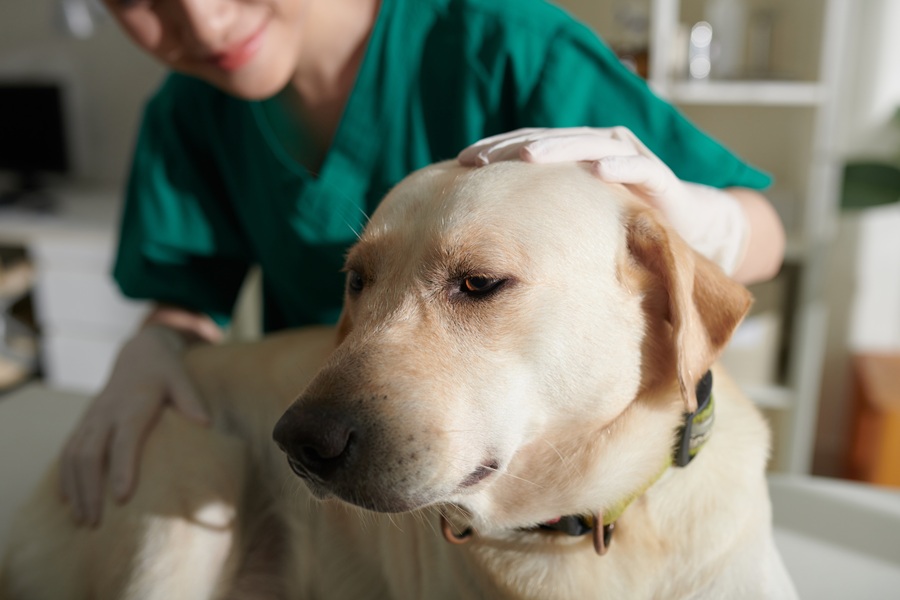
Your dog’s health can change in subtle ways, often going unnoticed until things get serious. As a caring pet parent, knowing what to look for—and acting fast—can mean all the difference. Let’s explore the five most urgent signs that your dog needs a vet check, plus proactive ways to keep your pup healthy.
The Silent Sufferer: Why Dogs Hide Illness
Dogs are instinctively wired to mask pain or weakness, a natural survival trait passed down from their wild ancestors. This means health issues often develop under the radar—until obvious symptoms emerge. Being aware of subtle changes is your best weapon in catching problems early.
Sign #1: Appetite Changes & Odd Eating Habits
When Dinner is Ignored, It’s Time to Act
If your dog skips a meal now and then, it could be stress or weather. But, ongoing refusal to eat, or sudden binge eating, often signals something more serious. A dog who won’t eat for longer than 24 hours—or eats obsessively—could be fighting illness, pain, or even metabolic disorders. It’s never normal for your dog to go two days without eating. Call your vet quickly for guidance.
Key tip: Sudden raiding of the trash or pantry might seem silly but can point to underlying issues, not bad manners!
Sign #2: Excessive Thirst or Constant Urination
Not All Water Runs Lead to Wellness
Have you noticed your dog draining their water bowl multiple times daily or needing to pee much more often? This isn’t just an annoyance—it’s a classic sign of diseases like diabetes or kidney issues. When the balance changes, so does your dog’s risk for serious complications.
Pro tip: Track your pet’s habits for several days. If you spot changes, don’t wait—schedule a diagnostic checkup.
Sign #3: Lethargy or Loss of Interest in Activities
From Playful Pup to Couch Potato?
Every dog slows down as they age, but a dramatic reduction in playfulness or sudden lethargy shouldn’t be brushed off. Is your normally active dog suddenly uninterested in walks, yard play, or even socializing? This can mean pain, infection, or underlying organ problems.
Remember: Personality shifts are powerful clues—especially when paired with other symptoms.
Sign #4: Digestive Distress—Vomiting, Diarrhea, or Strange Stool
When the Backyard Tells a Bad Story
While the occasional stomach upset is common, persistent vomiting or diarrhea over more than 24 hours can indicate serious illness. Watch for blood, worms, or mucus in stools, as these can signal infection or parasites. Ignoring prolonged symptoms risks dehydration and more severe underlying disease.
Key advice: Collect a sample for your vet—diagnostic care in Mahopac can quickly reveal common causes and speed up recovery.
Sign #5: Cloudy, Red Eyes or Difficulty Breathing
See the Signs—Save a Life
Sudden changes in your dog’s eyes—like redness, cloudiness, or discharge—require immediate attention. Eye problems can worsen fast, risking vision loss. Likewise, if your dog is struggling to breathe, panting heavily, wheezing, or has blue-tinged gums, it’s a true emergency and you should seek veterinary care immediately.
How Pet Diagnostic Care in Mahopac Keeps Dogs Healthy
Modern diagnostic technology—like digital X-rays, blood tests, and advanced imaging at Mahopac clinics—allows veterinarians to pinpoint diseases early, even before major symptoms show. Early detection, paired with preventive checkups, makes treatment more successful and less stressful for your four-legged family member.
Regular visits for pet diagnostic care in Mahopac catch the smallest shifts in organ function, bone structure, or internal health, helping you act before illness becomes an emergency.
Don’t Wait: Take Action Early
Early intervention saves lives. Whenever you spot one or more warning signs, don’t second-guess—schedule a vet exam. Your quick attention, coupled with professional diagnostic care, keeps your dog happy, healthy, and full of energy for years to come.
FAQs: Knowing When to See a Vet
Q1. How long should my dog go without eating before I call the vet?
More than 24 hours without food is grounds for a veterinary call.
Q2. Is increased thirst always a sign of illness?
Sudden, excessive thirst often signals internal problems—get it checked out.
Q3. Are some breeds more prone to hidden illness?
Yes; older dogs, small breeds, and short-nosed breeds may show more subtle symptoms and need closer monitoring.
Q4. Can vomiting or diarrhea once be ignored?
Occasional, mild upset may pass, but chronic or severe symptoms demand same-day professional attention.
Q5. What makes “pet diagnostic care Mahopac” unique?
Mahopac clinics offer advanced technology for early disease detection, quick lab results, and personalized, local care.
Q6. Is lethargy ever an emergency?
If coupled with other symptoms—trouble breathing, pale gums, collapse—treat as an emergency. Otherwise, seek prompt care if lethargy persists beyond a day.