$50 Off First Visit For New Clients


How to Brush Your Dog’s Teeth at Home: A Practical Guide Vets Actually Recommend
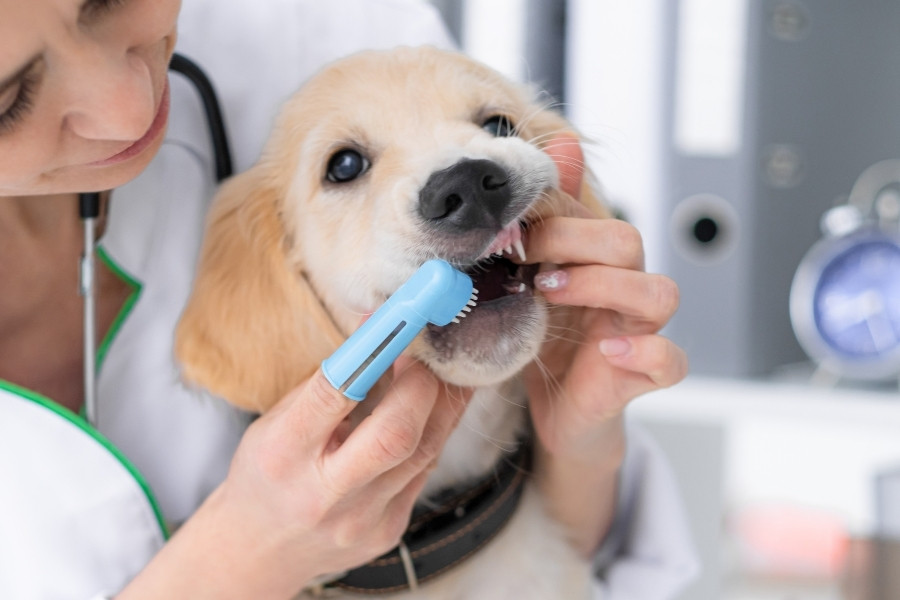
Bad breath in dogs often seems harmless at first, yet it can signal developing dental disease hiding beneath the gumline. Many pet owners feel unsure about brushing their dog’s teeth at home, especially when their dog squirms, turns away, or refuses to cooperate. Regular dental examinations help maintain oral care, which may sound difficult, though small routines can make a major difference in your dog’s long-term health.
If you’re a pet owner in Mahopac, NY, this blog is especially for you. Learning how to brush your dog’s teeth properly can help reduce plaque buildup, improve oral health, and support healthier habits at home.
Why Dental Health Matters More Than Expected
Dental disease affects a large number of dogs by the age of three. Plaque and tartar gradually build up along the teeth and gumline, creating inflammation and bacterial growth that may spread deeper over time.
Poor oral hygiene can contribute to:
- Bad breath: Persistent odor often signals bacterial buildup.
- Gum inflammation: Red or swollen gums may indicate gingivitis.
- Tooth loss: Advanced disease can weaken supporting structures.
- Pain while eating: Dental discomfort may reduce appetite.
- Health complications: Oral bacteria can affect major organs over time.
Regular brushing helps slow plaque accumulation before tartar hardens and becomes harder to remove.
Choosing The Right Dental Tools For Dogs
Using the correct tools can make brushing easier and safer for both you and your dog.
Dog Toothbrush Options Worth Considering
Several toothbrush styles work well depending on your dog’s size and comfort level.
Common options include:
- Finger brushes: Helpful for beginners and smaller dogs.
- Long-handled brushes: Useful for reaching back teeth more easily.
- Soft-bristled brushes: Help reduce gum irritation during brushing.
Human toothbrushes may irritate sensitive gums and should generally be avoided.
Safe Toothpaste Choices For Daily Brushing
Dogs require toothpaste specifically designed for pets. Human toothpaste contains ingredients that may upset your dog’s stomach or become unsafe if swallowed.
Pet toothpaste flavors often include:
- Poultry
- Beef
- Peanut butter
- Vanilla mint
Pleasant flavors can help create a more positive brushing experience.
Starting Slowly Builds Better Long-Term Cooperation
Many dogs need time to become comfortable with mouth handling. Rushing the process may create fear or resistance.
Start by helping your dog associate dental care with positive experiences.
Simple Early Training Steps For Success
Spend several days introducing brushing gradually.
Helpful starter steps include:
- Touching the muzzle gently: Reward calm behavior immediately.
- Lifting the lips briefly: Keep sessions short and relaxed.
- Allowing toothpaste tasting: Let your dog investigate the flavor first.
- Introducing the toothbrush slowly: Avoid sudden brushing motions initially.
Short daily sessions often work better than long, stressful attempts.
Finding The Best Position For Brushing Sessions
Positioning affects comfort and control during brushing. Some dogs cooperate better sitting beside you, while others feel calmer lying down.
Helpful positioning tips include:
- Stand beside rather than directly over your dog.
- Use calm praise throughout the process.
- Keep the lighting bright enough to see the teeth clearly.
- Avoid forcing the mouth open aggressively.
Relaxed body language from you often helps dogs remain calmer as well.
Brushing Technique Makes A Bigger Difference
Brushing technique matters more than brushing force. Gentle circular motions help clean plaque effectively without irritating the gums.
Areas Requiring Extra Attention During Brushing
Plaque commonly accumulates near the gumline and upper back teeth.
Focus on:
- Outer tooth surfaces: Most plaque forms here first.
- Back molars: Chewing surfaces collect debris frequently.
- Gumline edges: Gentle brushing reduces bacterial buildup.
Dogs’ tongues naturally help clean inner tooth surfaces, so outer surfaces usually deserve more attention.
Creating A Realistic Daily Dental Routine
Consistency matters more than perfection. Daily brushing provides the best protection, though several sessions weekly still offer benefits.
Ways to maintain consistency include:
- Brushing after evening walks
- Pairing brushing with feeding routines
- Using rewards afterward
- Keeping sessions under two minutes initially
Predictable routines often reduce resistance over time.
Signs Your Dog May Already Have Dental Disease
Home brushing supports dental health, though some dogs already need veterinary dental treatment before brushing becomes fully effective.
Watch for signs including:
- Bad breath
- Bleeding gums
- Yellow or brown tartar
- Pawing at the mouth
- Difficulty chewing
- Dropping food while eating
Advanced tartar buildup usually requires professional cleaning under anesthesia.
Dental Chews Cannot Fully Replace Brushing.
Dental treats and chews may help reduce plaque slightly, though they cannot clean beneath the gumline as brushing does.
Helpful supplemental dental products include:
- Dental chews: May reduce mild surface buildup.
- Water additives: Help support fresher breath.
- Dental diets: Special kibble textures may assist cleaning.
- Oral rinses: Sometimes recommended for certain pets.
Combining these products with brushing often creates better overall oral care.
Small Breeds Often Need Extra Dental Attention
Small dog breeds commonly develop dental disease earlier due to crowded teeth and smaller jaw structures.
Breeds frequently prone to dental issues include:
- Chihuahuas
- Yorkshire Terriers
- Dachshunds
- Toy Poodles
- Shih Tzus
Earlier plaque buildup makes regular brushing especially important for smaller dogs.
Preventive Dental Care Supports Healthier Pets
Preventive dental care can help dogs maintain healthier teeth and gums throughout every life stage. Regular oral exams, cleanings, and home brushing routines all help reduce plaque buildup and identify concerns earlier. Many pet owners appreciate how the team at South Putnam Animal Hospital takes time to explain practical dental care routines that fit comfortably into everyday home schedules.
Puppies Can Learn Dental Care More Easily
Starting dental routines during puppyhood often creates easier lifelong habits. Puppies generally adapt more quickly to mouth-handling and brushing routines when introduced gradually.
Helpful puppy dental habits include:
- Rewarding calm mouth handling
- Using short positive sessions
- Introducing brushing slowly
- Maintaining consistent routines
Early exposure may reduce dental care struggles later in life.
Older Dogs Still Benefit From Brushing Routines
Senior dogs can still benefit greatly from improved oral hygiene habits, even if brushing starts later in life.
Older dogs may require:
- Softer toothbrushes
- Shorter sessions
- Slower movements
- Veterinary evaluation before starting
Painful dental disease can make brushing uncomfortable until the underlying issues are addressed.
Veterinary Dental Exams Remain Extremely Important
Home brushing supports oral health, though veterinary exams remain essential for identifying hidden dental problems below the gumline.
Veterinarians may identify:
- Fractured teeth
- Deep infections
- Gum disease
- Oral tumors
- Tooth root abscesses
Professional cleanings help remove hardened tartar that brushing alone cannot eliminate.
Healthier Mouths Often Mean Happier Dogs
Regular pet dental care does more than improve breath freshness. Brushing your dog’s teeth at home helps reduce plaque buildup, supports gum health, and lowers the risk of painful dental disease developing over time.
If you’re in Mahopac, NY, and looking for dog dental care, book an appointment with South Putnam Animal Hospital. Our team can help evaluate your dog’s oral health, explain brushing techniques, and guide you toward dental care routines that feel manageable and effective at home.
FAQs
1. Why does my dog resist toothbrushes but accept dental wipes?
Dental wipes feel less invasive and create less pressure near sensitive gums. Dogs unfamiliar with brushing may tolerate wipes first, then gradually adjust to toothbrush-based dental routines.
2. Can brushing help dogs with chronic bad breath?
Persistent bad breath often improves with regular brushing if plaque buildup causes the odor. A severe odor, however, may indicate advanced dental disease requiring veterinary evaluation and cleaning.
3. Should dog teeth brushing happen before or after meals?
Many dogs tolerate brushing better after physical activity or evening routines rather than immediately after eating. Consistency and calm timing generally matter more than meal scheduling itself.
4. Why do small dogs develop tartar faster than larger breeds?
Crowded teeth create tighter spaces where plaque accumulates more easily. Smaller jaws also reduce the natural cleaning provided by chewing, increasing the risk of tartar buildup and gum disease.
5. How can nervous rescue dogs learn dental care routines?
Slow desensitization works best for anxious dogs. Gradual muzzle handling, introductions to flavored toothpaste, rewards, and very short sessions help build comfort without overwhelming the dog.