$50 Off First Visit For New Clients

Staying Active at Any Age: Simple Exercises for Senior Dogs and Cats

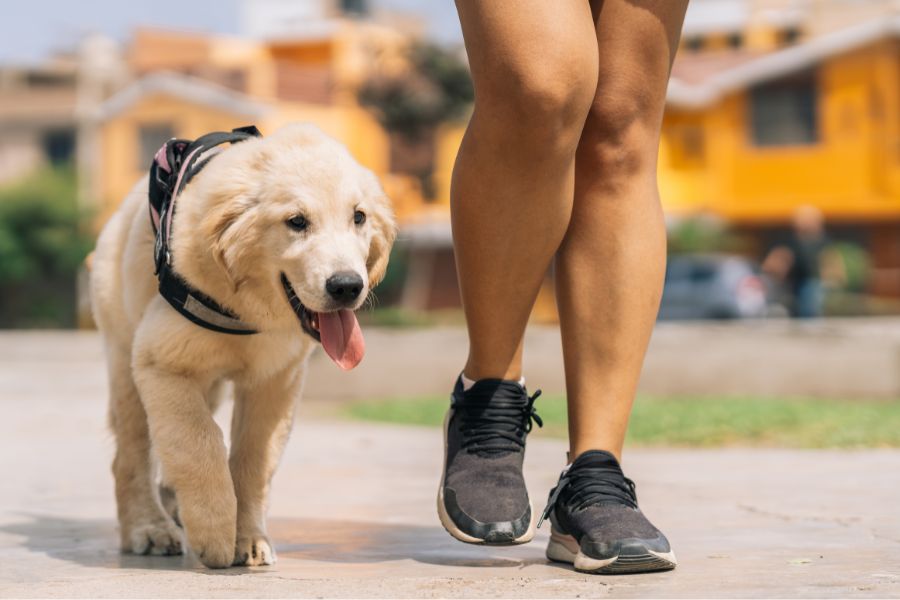
Keeping your senior dog or cat active is one of the best ways to support their mobility, comfort, and long-term well-being. As pets age, gentle daily movement becomes crucial for maintaining joint health, muscle strength, and mental acuity. In this guide, you’ll learn simple, safe, veterinarian-approved exercises for senior dogs and cats, along with senior pet fitness tips to help your aging companion stay healthy and happy.
Why Exercise Matters for Senior Pets
Aging pets may slow down, but they still need regular movement. Exercise keeps muscles strong, prevents weight gain, and helps maintain joint function. Just a few minutes a day can make a big difference in mobility and quality of life.
Benefits of senior pet exercise include:
- Improved joint flexibility
- Better circulation and heart health
- Reduced stiffness and arthritis discomfort
- Mental stimulation
- Stronger bond between pet and owner
Older dogs and cats that stay active often show brighter moods, better sleep, and greater independence.
How to Keep Senior Dogs Active Safely
Senior dogs require a balance of movement and rest. Gentle, low-impact exercises help maintain stability without putting stress on aging joints.
Start With a Slow Warm-Up
Before any workout, senior dogs need time to stretch and loosen their joints.
Warm-up ideas for older dogs:
- Slow 2–3 minute walk around your yard
- Gentle shoulder and hip massages
- Light stretching with treats to encourage position changes
This helps prevent injury and reduce stiffness.
Best Senior Dog Exercises to Try at Home
1. Slow, Controlled Walks
A simple walk is still one of the best exercises for older dogs. Choose soft surfaces like grass and avoid steep hills.
Tips:
- Keep walks short (10–15 minutes)
- Let your dog set the pace
- Take frequent breaks
Walking helps maintain joint health, supports weight control, and boosts mental stimulation.
2. Indoor Obstacle Paths
This low-impact workout keeps your older dog sharp and coordinated.
Set up a simple indoor course using:
- Cushions to step over
- Towels to weave around
- Mats to walk across
This can improve balance and strengthen the core.
3. Strengthening Sit-to-Stand Exercise
Similar to a human squat, this helps older dogs maintain strong back legs.
How to do it:
- Ask your dog to sit.
- Encourage a slow stand using a treat.
- Repeat 5–8 times.
If your dog struggles, reduce repetitions or support them gently.
4. Gentle Tug or Fetch With Soft Toys
Low-resistance play keeps muscles engaged and encourages movement.
Make it safe for senior dogs by:
- Using soft toys
- Keeping movements slow
- Stopping at any sign of strain
This is a fun way to keep senior dogs active without overwhelming them.
5. Physical Therapy for Senior Dogs at Home
Simple at-home exercises mimic physical therapy and benefit older dogs with arthritis or past injuries.
Helpful exercises include:
- Passive range-of-motion stretches
- Light balance exercises using a stable cushion
- Gentle resistance walking through shallow water (if available)
Always consult your veterinarian before starting a home physical therapy routine.
Best Exercises for Senior Cats
Cats may be less eager to exercise, but with encouragement, they can stay active well into their golden years. Movement prevents stiffness and helps maintain a healthy weight.
1. Interactive Wand Toys
Senior cats still enjoy chasing—just in shorter bursts.
To make it safe:
- Keep play sessions 5 minutes or less
- Move the toy slowly
- Allow plenty of rest
This encourages stretching, pouncing, and natural feline movements.
2. Gentle Stair Climbing
If your cat can safely navigate steps, slow stair climbs are great for joint strength.
Try:
- Encouraging one or two slow trips up the stairs
- Using treats to motivate movement
- Supervising for safety
Avoid this exercise if your cat has severe arthritis.
3. Vertical Exploration With Low Platforms
Cats love climbing, but aging joints can make high jumps risky.
Replace high jumps with:
- Pet steps
- Low cat trees
- Ramps
This supports mobility and engages their natural instincts safely.
4. Food Puzzles for Mental and Physical Stimulation
Puzzle feeders encourage slow movement and problem-solving.
Benefits for senior cats:
- Mental enrichment
- Weight control
- Slow, controlled physical activity
Start with easy puzzles to avoid frustration.
5. Senior Cat Stretching Sessions
Stretching helps maintain flexibility.
Encourage stretches with:
- Treats placed just out of reach
- Wand toys that guide gentle movement
- Soft, comfy surfaces that support stretching
This is ideal for cats with mild stiffness.
Senior Pet Fitness Tips for Safe Workouts
Keeping senior pets active requires patience and consistency. Always tailor exercises to your pet’s mobility level.
Helpful senior pet fitness tips include:
- Start slowly and increase activity only if your pet is comfortable.
- Watch for signs of pain such as limping, whining, or reluctance to move.
- Use soft, non-slip surfaces to prevent falls.
- Stay consistent with short, daily sessions rather than long workouts.
- Keep your pet hydrated before and after exercise.
- Talk to your nearest veterinarian if your pet has arthritis, heart conditions, or mobility concerns.
Signs Your Senior Pet Should Stop Exercising
It’s important to recognize when your dog or cat has had enough.
Watch for these signs:
- Excessive panting
- Slowing down or lagging
- Stiffness after exercising
- Difficulty standing
- Trembling or weakness
- Disinterest in continuing activity
If any of these occur, allow your pet to rest and adjust the intensity next time.
Conclusion
Staying active plays a vital role in your senior pet’s happiness, mobility, and long-term health. With gentle exercises, slow-paced routines, and consistent daily movement, older dogs and cats can continue enjoying life comfortably at every age. Suppose you are conveniently located in Mahopac, NY, and searching for the best senior pet care hospital near me. In that case, South Putnam Animal Hospital is the right choice for compassionate, advanced, and reliable pet care.
FAQs
Q1: What are the best senior dog exercises for joint health?
Low-impact walks, sit-to-stand reps, and gentle indoor obstacle paths are excellent for maintaining joint strength and mobility.
Q2: How often should older dogs exercise?
Most senior dogs benefit from two to three short sessions a day, each lasting 10–15 minutes, depending on their health and comfort.
Q3: What exercises are safe for senior cats with arthritis?
Wand toy play, slow stretching, food puzzles, and movement between low platforms are safe, gentle options that avoid high-impact strain.
Q4: How do I know if my senior pet is exercising too much?
Signs like limping, heavy panting, stiffness, or reluctance to move indicate your pet needs lighter workouts or more rest.
Q5: Can senior pets benefit from at-home physical therapy?
Yes, gentle physical therapy exercises—such as range-of-motion stretches and balance activities—can help older pets manage arthritis and maintain mobility, but always consult a veterinarian first.