$50 Off First Visit For New Clients


8 Essential Tips for Keeping Your Pet Healthy and Happy

As pet owners, our animals are more than just companions—they’re family. Ensuring they stay healthy and content requires more than love; it takes proactive care, the right nutrition, regular vet visits, and plenty of affection. Whether you have a playful pup or a curious cat, these 8 essential tips will help you raise a healthier, happier pet.
1. Schedule Regular Vet Checkups
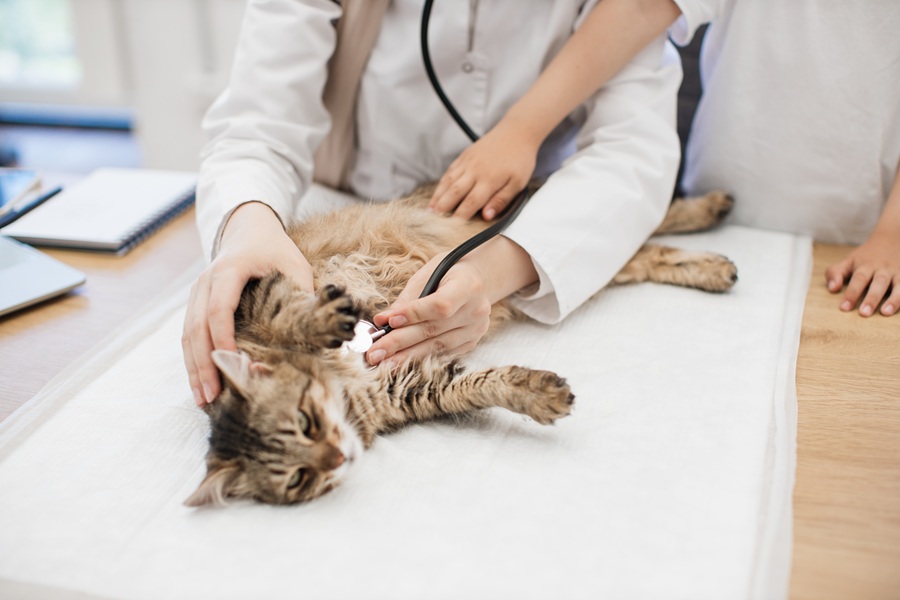
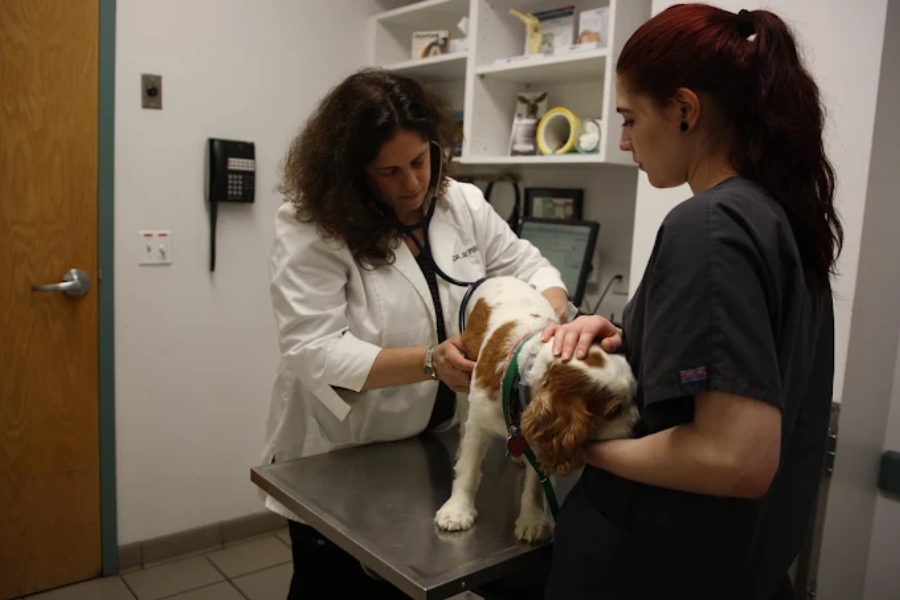
First and foremost, book a wellness visit with your veterinarian at least once a year. These checkups catch issues early and allow preventive treatments like vaccinations and parasite screenings. Also, if your pet ages or develops health concerns, consider semi‑annual visits. Ultimately, staying ahead of problems means a healthier pet.
2. Maintain a Balanced Diet
Next, feed your pet high-quality, age‑appropriate food. For instance, puppies and kittens require more calories and nutrients than adult or senior pets. Furthermore, measure portions carefully and avoid overfeeding. Consequently, you reduce obesity risk, which otherwise leads to joint problems, diabetes, and other complications.
3. Provide Ample Exercise and Mental Stimulation
Besides nutrition, ensure your pet gets regular activity. For dogs, that means daily walks or play sessions. For cats, interactive toys and climbing structures keep them engaged. Moreover, mental stimulation—like puzzle feeders or training—promotes cognitive health. As a result, pets stay physically fit and mentally sharp.
4. Implement Parasite Prevention
Moreover, protect your pet from fleas, ticks, and worms by using veterinarian‑recommended prevention products. Many of these work monthly, and many do double‑duty by protecting against heartworm. When left unchecked, parasites can lead to serious disease. Therefore, stay proactive and follow the treatment schedule closely.
5. Practice Dental Care
In addition, address dental health early. Ideally, brush your pet’s teeth several times per week using pet‑safe toothpaste. Alternatively, provide dental chews or professional cleanings when needed. Regular care prevents gum disease, bad breath, and tooth loss. Consequently, you enhance your pet’s comfort and overall health.
6. Keep Grooming Consistent
Furthermore, grooming isn’t solely about appearance—it’s about health prevention too. Brushing distributes natural oils, prevents matting, and offers a chance to check for lumps or skin irritations. Bathe your pet only as needed to preserve their coat’s natural oils. Also, trim nails and clean ears regularly to avoid infections and discomfort.
7. Monitor Behavior and Health Signs
Meanwhile, stay alert to changes in your pet’s behavior. Eating less, drinking more, changing energy levels, or developing skin issues might indicate underlying health problems. If you observe anything unusual, consult your vet promptly. Early response can prevent more severe complications down the road.
8. Strengthen the Human–Pet Bond
Finally, don’t underestimate the emotional side of preventative care. Spend quality time playing, cuddling, or simply talking to your pet. Positive interaction reduces stress for both of you. Consequently, this bond supports physical health and emotional well-being, and fosters trust, making vet visits and grooming much easier.
Caring for your pet is a lifelong commitment that goes beyond food and shelter. By following these eight essential tips, you’re taking active steps to improve your pet’s health, happiness, and longevity. Consistent care leads to fewer illnesses, a stronger bond, and a better quality of life for your furry companion.
If you’re seeking expert guidance on pet preventative care in Mahopac, NY, consult with your local veterinarian for personalized recommendations based on your pet’s needs. With the right support, your pet can enjoy a happy, healthy life for years to come.