$50 Off First Visit For New Clients


Cold Laser Therapy for Pets: Benefits, Safety, and How It Works
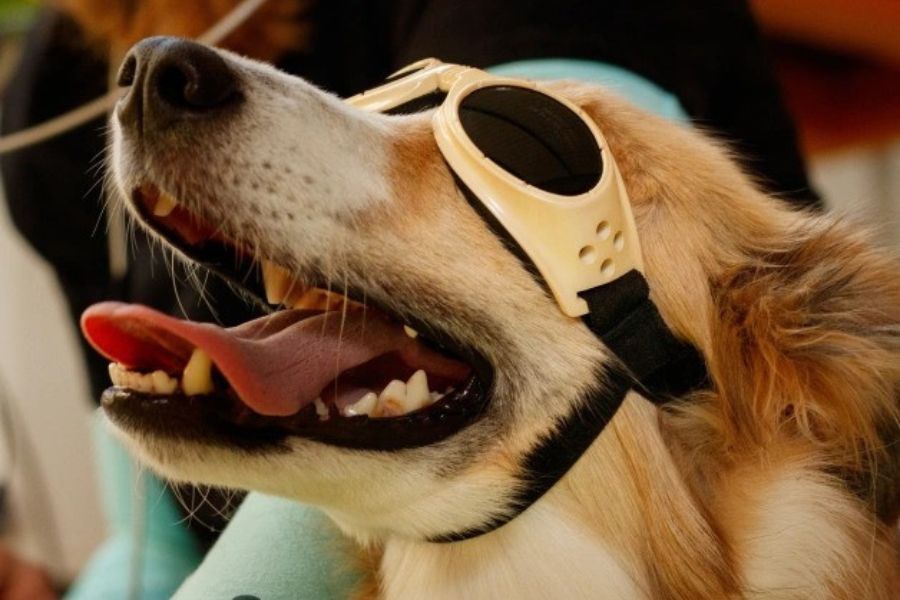
Cold laser therapy for pets is an advanced, non-invasive treatment gaining popularity in veterinary care. Many pet owners in Mahopac are turning to this therapy to help dogs and cats recover from injuries, manage pain, and improve overall wellness. In this guide, we’ll explain what cold laser therapy is, how it works, its benefits, and safety considerations for your beloved pets.
What Is Cold Laser Therapy for Pets?
Cold laser therapy, also known as low-level laser therapy (LLLT), uses targeted light energy to stimulate cells in the body. Unlike surgical lasers, cold lasers do not generate heat and are completely painless for pets. This therapy is commonly used in veterinary medicine to treat both dogs and cats for conditions ranging from arthritis to post-surgical recovery.
Key points:
- Non-invasive and painless
- Stimulates cellular repair
- Reduces inflammation and promotes circulation
- Suitable for dogs and cats of all ages
How Veterinary Laser Therapy Works
Cold laser therapy works by delivering focused light energy to affected tissues. This light penetrates the skin and stimulates the mitochondria—the powerhouses of cells—to produce more energy, speeding up natural healing processes.
Step-by-step process:
- The pet is positioned comfortably, often lying or sitting.
- The veterinarian targets the affected area with the laser device.
- Light energy penetrates tissue, promoting cellular repair and reducing pain.
- Treatments typically last 5–15 minutes per session, depending on the condition.
Over a series of sessions, pets often show significant improvements in mobility, reduced discomfort, and faster recovery from injuries.
Benefits of Cold Laser Therapy for Pets
Veterinary laser therapy offers multiple advantages for pets, including:
- Pain Relief: Helps manage chronic pain from arthritis or injuries.
- Faster Healing: Stimulates tissue repair for wounds, post-surgical recovery, and injuries.
- Reduced Inflammation: Minimizes swelling and promotes blood flow to affected areas.
- Improved Mobility: Particularly beneficial for senior dogs and cats with joint issues.
- Non-Invasive Option: Avoids surgery or reliance on long-term medications.
For many pet owners, cold laser therapy can dramatically improve the quality of life for their dogs and cats.
Conditions Commonly Treated with Pet Laser Therapy
Cold laser therapy can be used for a variety of conditions, such as:
- Arthritis and joint pain
- Soft tissue injuries (sprains, strains, muscle damage)
- Post-surgical recovery
- Wound healing and skin conditions
- Neurological conditions affecting mobility
Veterinarians assess each pet individually to create a tailored treatment plan that targets their specific needs.
Safety Considerations for Pet Laser Therapy
Pet laser therapy is widely regarded as safe when administered by trained professionals. However, there are a few considerations to keep in mind:
- Ensure therapy is performed by a licensed veterinarian or certified technician.
- Avoid direct eye exposure to the laser; protective goggles may be used.
- Inform your vet of any existing conditions, such as cancer, as laser therapy may not be suitable.
- Monitor your pet after sessions for any unusual reactions, although side effects are rare.
With proper precautions, cold laser therapy is a safe, gentle, and highly effective treatment for pets.
What to Expect During a Pet Laser Therapy Session
A typical session at a veterinary clinic includes:
- Initial Assessment: Vet evaluates the pet’s condition.
- Comfort Setup: Pet is positioned in a relaxed state, sometimes with gentle restraint.
- Laser Application: The laser is moved over the target area for several minutes.
- Post-Treatment Observation: Vet monitors for immediate improvement or reactions.
Most pets tolerate the procedure very well and may even enjoy the soothing warmth of the light.
How Often Should Pets Receive Laser Therapy?
The frequency of sessions depends on the condition being treated:
- Acute injuries: 2–3 times per week for the first 2–3 weeks.
- Chronic conditions (arthritis): 1–2 sessions per week for ongoing management.
- Post-surgery: Usually recommended several times in the first few weeks to accelerate healing.
Veterinarians adjust treatment schedules based on your pet’s response and progress.
Choosing the Right Veterinary Clinic for Laser Therapy
When seeking cold laser therapy for pets, consider these factors:
- Experienced veterinarians trained in laser therapy
- Modern, FDA-approved equipment
- Individualized treatment plans
- Positive client testimonials and success stories
- Clear communication about expectations and follow-up care
A reputable clinic ensures your pet receives safe, effective, and comfortable therapy.
Cold laser therapy for pets is a powerful tool in modern veterinary care. By stimulating natural healing processes, reducing pain, and improving mobility, it offers a non-invasive way to support your dog or cat’s recovery.
Suppose you are conveniently located in Mahopac and searching for the best pet laser therapy near me. In that case, South Putnam Animal Hospital is the right choice for compassionate, advanced, and reliable care.
FAQs
Q1: Is cold laser therapy painful for pets?
Ans: No, cold laser therapy is completely painless and non-invasive, making it suitable for dogs and cats of all ages.
Q2: How quickly do pets show improvement with laser therapy?
Ans: Many pets show reduced pain and improved mobility within 1–3 sessions, though a full course may take several weeks.
Q3: Can laser therapy replace medication for my pet?
Ans: Laser therapy complements medication but should not replace it unless directed by your veterinarian.
Q4: Is cold laser therapy safe for older pets?
Ans: Yes, it’s safe for senior dogs and cats and can help manage arthritis and chronic pain effectively.