$50 Off First Visit For New Clients

Anxiety in Dogs Explained: Causes, Symptoms, and Effective Treatments
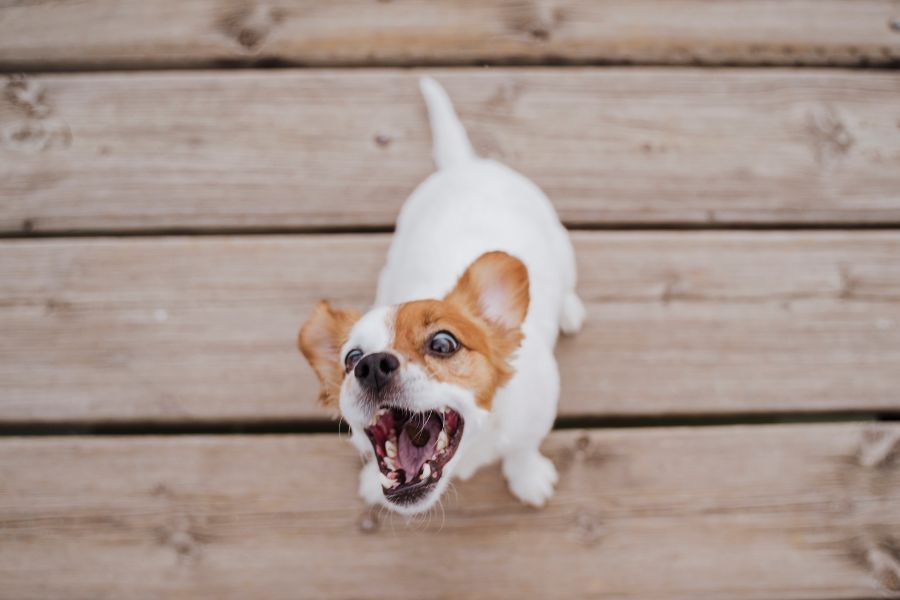
Dog anxiety is a common yet often misunderstood condition that can impact your pet’s emotional and physical well-being. In this guide, you’ll learn what dog anxiety is, what causes it, early dog anxiety symptoms, and the most effective ways to calm an anxious dog using science-backed methods. We’ll also explore the best dog anxiety treatment options available today, including when to seek help from a veterinarian for professional support. By the end, you’ll understand how to recognize anxiety early and help your dog feel safer, happier, and more confident in daily life.
What Is Dog Anxiety?
Dog anxiety is a stress response triggered by fear, uncertainty, or perceived threats. While occasional worry is normal, chronic anxiety can lead to behavioral issues and long-term health problems. Dogs may experience anxiety due to genetics, past trauma, lack of socialization, or sudden changes in their environment.
Understanding the root cause is the first step toward helping your dog regain balance and comfort. Whether the anxiety stems from separation, loud noises, or unfamiliar people, identifying the trigger helps guide the right dog anxiety treatment plan.
Common Causes of Anxiety in Dogs
Anxiety can develop from a combination of internal and external factors. Some of the most common causes include:
- Separation from owners for extended periods
- Loud noises such as thunderstorms, construction, or fireworks
- New environments or major household changes
- Unfamiliar animals or people
- Past negative experiences or trauma
- Aging-related cognitive decline
In many cases, multiple triggers contribute to the problem, which is why working with a veterinarian can help pinpoint the specific causes and guide effective treatment.
Identifying Dog Anxiety Symptoms
Recognizing dog anxiety symptoms early is essential for timely intervention. Symptoms can vary from subtle to severe depending on the dog’s personality and the source of stress.
Common symptoms include:
- Excessive barking or whining
- Trembling, pacing, or restlessness
- Lip licking or yawning when not tired
- Destructive behavior, such as chewing furniture
- Attempts to escape or hide
- Accidents in the house, despite being trained
- Loss of appetite
- Aggression when fearful
If your dog displays these behaviors frequently, it’s a strong indication that anxiety is present. Identifying these signs early makes it easier to calm an anxious dog before the behavior escalates.
How to Calm an Anxious Dog
Helping your dog feel safe and relaxed often requires a combination of techniques. Here are some proven ways to calm an anxious dog:
1. Create a Safe, Predictable Environment
Dogs thrive on routine. Keep feeding times, walks, and sleep schedules consistent. Provide a quiet, cozy space your dog can retreat to during stressful moments.
2. Use Positive Reinforcement Training
Reward calm behaviors with treats, toys, or praise. This helps your dog associate relaxation with positive outcomes.
3. Provide Mental and Physical Stimulation
Puzzle toys, sniff walks, and regular exercise reduce built-up stress and improve emotional balance.
4. Offer Comforting Tools
Many dogs respond well to:
- Anxiety wraps or vests
- Calming music
- Pheromone diffusers
- Weighted blankets
These tools can help soothe your pet naturally.
5. Avoid Punishment
Never punish an anxious dog. It increases fear and can worsen symptoms.
If your dog’s symptoms persist, a veterinarian in Mahopac can offer tailored guidance based on your dog’s individual triggers and behavior patterns.
Veterinarian-Approved Dog Anxiety Treatment Options
There are multiple effective dog anxiety treatment paths depending on severity and cause. A professional evaluation helps determine which option—or combination—will work best.
Behavioral Training and Desensitization
Certified trainers and veterinarians can guide desensitization and counterconditioning exercises to help your dog overcome fear-based triggers.
Medications for Severe Anxiety
In more serious cases, prescription anti-anxiety medication may be necessary. These medications help regulate overactive stress responses and are typically used alongside behavioral training.
Natural and Alternative Therapies
Some dogs benefit from natural remedies such as:
- Calming supplements
- Herbal blends
- CBD (vet-approved only)
- Acupuncture or massage
Always consult a veterinarian in Mahopac before adding supplements to ensure safety and proper dosing.
When to Visit a Veterinarian in Mahopac
Professional help is essential if:
- Anxiety disrupts daily life
- Symptoms worsen over time
- Your dog becomes aggressive or destructive
- Home strategies aren’t offering relief
- You’re unsure what’s causing the anxiety
A veterinarian can rule out underlying medical issues, recommend therapy plans, and support your dog with personalized treatment.
Conclusion
Understanding the root causes of dog anxiety and recognizing early symptoms empowers you to intervene before the problem escalates. With the right strategies, including calming tools, training, lifestyle adjustments, and professional guidance, most dogs experience significant improvement.
Suppose you are conveniently located in Mahopac, NY, and searching for vet care near me. South Putnam Animal Hospital is the right choice for compassionate, advanced, and reliable pet care.
FAQs
Q1: What are the most common dog anxiety symptoms?
Ans: Common dog anxiety symptoms include excessive barking, restlessness, trembling, destructive behavior, and avoidance or hiding.
Q2: How can I calm an anxious dog at home?
Ans: You can calm an anxious dog by providing a safe space, maintaining a routine, using positive reinforcement, and offering mental stimulation through toys and puzzles.
Q3: When should I see a veterinarian for my dog’s anxiety?
Ans: If your dog shows persistent signs of stress, destructive behavior, or panic attacks, consult a veterinarian in Mahopac for proper evaluation and treatment.
Q4: Can dog anxiety be treated with medication?
Ans: Yes, a veterinarian may prescribe anti-anxiety medications or natural supplements alongside behavioral strategies for severe cases.
Q5: How can I prevent anxiety in my dog?
Ans: Prevent dog anxiety by socializing your pet early, maintaining a consistent routine, providing exercise and mental stimulation, and gradually introducing new experiences.