$50 Off First Visit For New Clients


Dog Drug Poisoning: Your First Steps When It Happens
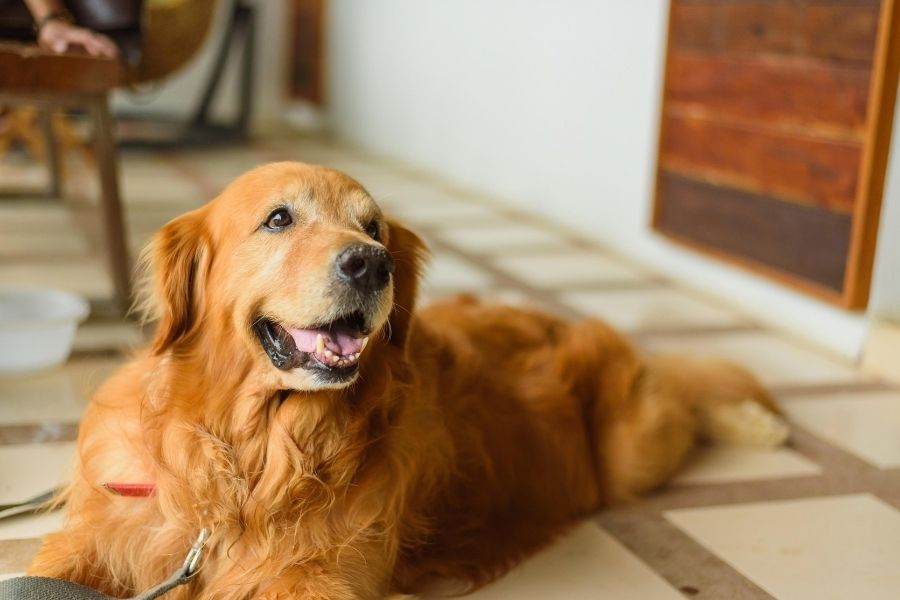
Dogs find medications in ways that seem impossible until they happen. A pill falls under the kitchen counter. A weekly pill organizer gets knocked off the nightstand. A dog noses into a backpack left near the door. Dogs are scent-driven and persistent, and many coated tablets smell appealing enough to swallow without hesitation. Dog drug poisoning first steps in the minutes immediately after ingestion are more critical than most owners realize, and doing the wrong thing can be just as dangerous as doing nothing. This guide covers exactly what to do, what signs to watch for, and when your dog needs to be in a clinic right now.
Why Dogs Are Especially Vulnerable to Drug Poisoning
Dogs metabolize many substances very differently from humans. A medication that is safe and effective for a person can overwhelm a dog’s liver, kidneys, or central nervous system in a single dose. The size of the dog relative to the dose is also a significant factor a dose that might cause only mild symptoms in a large dog can be lethal in a small one.
Signs of poisoning in dogs vary based on drug type, amount ingested, and the dog’s individual health status. Common human medications that cause serious harm in dogs include pain relievers, sleep aids, stimulant medications used for ADHD and focus, antidepressants, blood pressure drugs, and certain vitamins at high doses. Even supplements and herbal products can reach toxic levels in dogs.
In our experience, the majority of dog drug poisoning cases in veterinary practice involve medications found inside the home prescription drugs, over-the-counter products, and vitamins. The kitchen counter, bathroom floor, and bedroom nightstand are the three most common points of access.
What Are the Signs of Drug Poisoning in Dogs?
Symptoms of toxic medication for dogs depend on the substance involved, but several signs appear across many different drug categories. Knowing these helps you identify a problem before it becomes a crisis.
- Vomiting or diarrhea: An early defense response as the body tries to expel what it ingested. Note the timing and whether pills or pieces are visible.
- Excessive drooling: Hypersalivation shortly after a suspected ingestion is a warning sign of toxicity.
- Tremors or muscle twitching: Neurological involvement signals that the drug has begun affecting the central nervous system.
- Agitation or sudden hyperactivity: Stimulant medications can cause an acute burst of erratic, uncontrolled energy in dogs.
- Extreme sedation or inability to stand: The opposite end of the spectrum of medications that depress the nervous system can cause dangerous sedation.
- Seizures: A dog experiencing a seizure after suspected ingestion needs immediate veterinary care. Do not attempt to restrain a seizing dog.
- Pale or grey gums: Gum color change indicates that circulation is compromised. This is a veterinary emergency.
Dog ate pills symptoms can begin within 15 minutes of ingestion or take several hours, depending on the drug. Do not wait for visible symptoms before calling your veterinarian; earlier intervention consistently produces better outcomes.
Dog Drug Poisoning First Steps: What to Do Right Now
The sequence of your actions in the first few minutes matters. Follow these steps in order and resist the impulse to try home remedies before speaking with a professional.
- Stay as calm as possible. An agitated owner makes it harder to gather the information your vet needs.
- Move your dog away from the medication and secure any remaining pills, bottles, or packages.
- Do NOT induce vomiting unless a veterinarian specifically tells you to. Some drugs cause more damage coming back up, and improper induction can cause additional problems.
- Do NOT give your dog milk, food, activated charcoal, or any other substance without professional guidance.
- Find and note the medication name, dosage strength, and approximate number of pills or amount missing.
- Record the time of suspected ingestion or the time you noticed the problem.
- Note your dog’s current weight; if possible, your vet will need this for dose calculations.
- Call your veterinarian or an animal poison control hotline immediately with all of this information.
How fast to call a vet for your dog poisoning is always as fast as possible. Even if your dog seems fine, call before any symptoms appear. Some drugs have delayed toxicity windows, and the time to start treatment is before your dog deteriorates, not after.
Which Drugs Are Most Dangerous for Dogs?
Not all exposures carry equal risk, but the list of household medications that are seriously toxic to dogs is longer than most owners expect. Ibuprofen and other NSAIDs are among the most common and dangerous, causing kidney failure and gastrointestinal ulceration even in small doses. Acetaminophen, while more associated with cat toxicity, causes liver damage in dogs at certain doses.
Stimulant medications cause rapid heart rate, elevated blood pressure, and dangerous overheating. Certain sleep aids and benzodiazepines depress the central nervous system and can cause a dog to become unresponsive. Blood pressure medications lower heart rate and pressure to dangerous levels in dogs far smaller than the patients they were prescribed for.
In Mahopac and throughout Putnam County, households commonly stock a wide range of prescription and over-the-counter medications that should be kept behind secured cabinet doors or in high drawers away from pets at all times.
When to Go In Without Calling First
Some situations do not allow time for a phone call. If your dog is actively seizing, has lost consciousness, is struggling to breathe, or you know they swallowed a cardiac medication or stimulant drug, drive to the nearest veterinary clinic immediately and call from the car.
South Putnam Animal Hospital provides urgent care for dogs who have ingested medications or other toxic substances. The team moves quickly to assess what was taken, run bloodwork to evaluate organ function, and begin the appropriate treatment protocol to support your dog’s recovery. For pet urgent care involving suspected drug ingestion, call 845-628-1834 immediately. Early care is the most powerful factor in determining outcome.
Conclusion
The first steps of dog drug poisoning are removing your dog from the area, identifying what was ingested, and calling your veterinarian immediately. This can mean the difference between a manageable situation and a life-threatening one. Time is always the limiting factor with toxic ingestions. Do not wait and watch. South Putnam Animal Hospital is here to help you act fast and give your dog the best chance at a full recovery. Book an appointment today.
Frequently Asked Questions
Q: What should I do if my dog ate my prescription medication?
Ans: Secure the remaining medication, identify the drug name and dosage, and call your veterinarian immediately. Do not attempt home treatment before speaking with a professional.
Q: How quickly does drug poisoning affect dogs?
Ans: Onset varies by drug type. Some symptoms appear within 15 to 30 minutes. Others take a few hours. Calling your vet before symptoms appear gives you the widest treatment window.
Q: Can I make my dog vomit at home after drug ingestion?
Ans: Only if your veterinarian specifically instructs you to. Inducing vomiting improperly or for certain drug types can cause additional harm. Always call first.
Q: Is a small amount of medication dangerous for a dog?
Ans: For many drug classes, even a single human-dose tablet can cause serious toxicity in dogs, especially small breeds. There is often no truly safe dose of human medications for dogs.
Q: What if my dog seems fine after eating a pill?
Ans: Call your vet regardless of how your dog appears. Some drugs cause delayed toxicity, and by the time symptoms are visible, the window for easiest treatment may have closed.