$50 Off First Visit For New Clients


Urgent Care for Kittens: Why Small Symptoms Can Mean Big Trouble

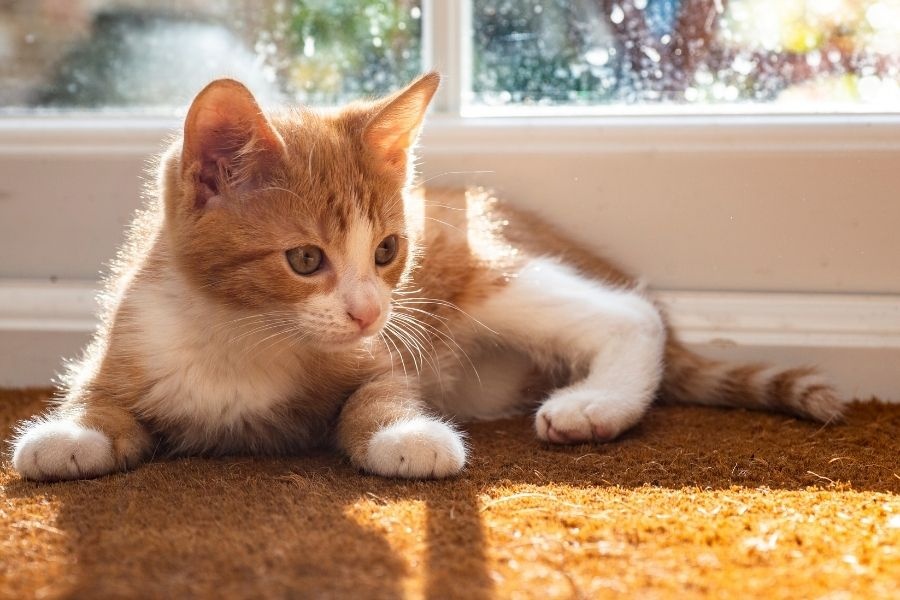
A kitten sneezing twice is easy to dismiss. A kitten that skips one meal might just be distracted. But in a young cat under six months old, these small signs can shift from minor to serious within hours, not days. Kittens are not miniature adult cats. Their immune systems are still developing, their body reserves are limited, and they lose fluids and nutrients much faster than older animals when they are ill. Knowing when to seek urgent care for kittens is one of the most important skills a new kitten owner can develop. Acting on a symptom that turns out to be nothing is always the right choice. Waiting on a symptom that turns out to be something carries real risk for a young animal that has less capacity to compensate. This guide covers the warning signs that matter, what to expect during a kitten urgent visit, and how to choose a clinic prepared to care for very young cats.
Why Kittens Require a Different Level of Urgency
Young animals have smaller reserves of everything. A kitten that stops eating for 12 hours loses proportionally more body weight and blood sugar than an adult cat would lose over the same period. Dehydration sets in faster. Body temperature drops more readily. Infections take hold more aggressively in immune systems that are still maturing.
Kitten health problems to watch for are often the same conditions that adult cats develop, but the timeline from symptom to crisis is compressed. Upper respiratory infections, gastrointestinal issues, and parasites that would make an adult cat uncomfortable can become dangerous in a kitten within a very short window.
Studies in feline medicine suggest that kittens are at highest risk during the first 16 weeks of life, before their full vaccine series is complete and while maternal antibodies from nursing are gradually declining. This overlap between losing early immune protection and not yet having full vaccine coverage makes this period especially critical for new kitten owners to monitor carefully.
What Symptoms in a Kitten Need Same-Day Vet Care?
Symptoms in a kitten that require same-day care are those that affect eating, hydration, breathing, or mobility, or any symptom that appears suddenly or intensifies over a few hours.
Watch for these sick kitten warning signs:
- Not eating for more than 6 to 8 hours: Kittens have high metabolic demands. Skipping a meal is a yellow flag; skipping two in a row is a red one.
- Diarrhea or vomiting more than once: Repeated episodes risk dehydration rapidly in young cats.
- Nasal or eye discharge with lethargy: Upper respiratory infections in kittens can progress to pneumonia or lead to corneal damage if not treated quickly.
- Difficulty breathing or open-mouth breathing: Never normal in a cat of any age, and especially urgent in a kitten.
- Pale, white, or blue gums: This signals circulatory compromise and is always an immediate concern.
- Seizures or loss of coordination: Neurological symptoms in kittens require same-day evaluation without exception.
- No bowel movement in 24 hours: Constipation in kittens can indicate obstruction, especially in young cats that chew on household objects.
Pet owners often tell us they noticed something was slightly off with their kitten but assumed it would pass. With very young cats, that assumption carries more risk than it does with older animals.
What to Expect During a Kitten Urgent Visit
Knowing what happens during a visit removes some of the anxiety and helps owners arrive prepared.
- Triage and weight check: Staff assess the kitten’s stability and weigh them, since body weight guides treatment dosing.
- Temperature check: Hypothermia and fever are both concerns in kittens. Temperature gives an immediate picture of how the kitten is coping.
- Physical examination: The vet checks eyes, ears, nose, mouth, abdomen, hydration status, and skin elasticity.
- Fecal test: A stool sample evaluates for common parasites like roundworms, hookworms, and giardia, all of which are frequently seen in kittens.
- Blood glucose check: Hypoglycemia is common in sick kittens and can be addressed quickly once identified.
- Treatment and discharge instructions: The vet explains findings clearly and sends you home with a specific plan.
Kittens in Mahopac and the surrounding Hudson Valley area often come in during spring and fall when new litters are brought into homes. New kitten vet visits are an important first step for any kitten regardless of their current health, and establishing care early means faster response when something does go wrong.
Seasonal Risks for Young Kittens in the Hudson Valley
Putnam County’s variable seasons create specific risks for kittens at different times of year. Cold winters mean kittens that are chilled or kept in drafty spaces face additional strain on their still-developing respiratory and immune systems. Spring mud and outdoor exploration bring parasite exposure, particularly roundworms and giardia from contaminated soil or water.
Kittens that arrive at new homes during the holiday season may face additional stress from noise, schedule changes, and new environments. Stress is a real physiological trigger in young cats and can suppress immune function enough to allow latent infections to emerge.
One of the most common misconceptions we hear from new kitten owners is that a kitten not eating or playing is simply adjusting to a new home. While some adjustment is normal, a kitten that has not eaten in more than eight hours and seems lethargic is not “adjusting.” That combination is a signal worth evaluating the same day.
Why Choosing the Right Clinic Matters for Kitten Care
Not every clinic has the same comfort level with very young animals. A practice experienced in kitten care understands appropriate handling, correct dosing for small body weights, and which diagnostics are appropriate at different ages.
South Putnam Animal Hospital provides attentive, experienced care for kittens across every stage of early life. The team understands the unique urgency that comes with young cat health and is equipped to respond quickly when a kitten’s condition is time-sensitive. If your kitten is showing any of the warning signs above, call us at 845-628-1834. For the moments when urgent care for kittens cannot wait, our team is here to help you act with confidence.
Kitten not eating or playing is never a symptom to dismiss without a call to your vet. A quick phone assessment often gives you the clarity to either monitor safely or come in immediately.
Choosing a Clinic Prepared for Young Cat Patients
A clinic well-suited for kitten care should be able to see young animals the same day for urgent concerns. They should be comfortable running diagnostics on very small patients, including blood glucose checks and fecal tests, and their staff should handle young cats with gentleness and patience.
Ask whether the clinic has experience with neonatal and pediatric feline care. Ask how they handle kittens under eight weeks old. Ask whether they can see your kitten same-day if a concern arises. These questions tell you a great deal about how prepared a practice is to respond when it matters most.
Conclusion
Kittens are rewarding companions and vulnerable patients. Their small size, developing immune systems, and limited reserves mean that urgent care for kittens is not an overreaction. It is an appropriate response to a category of patient that deteriorates faster than any other age group in feline medicine. Learning the warning signs, building a relationship with a vet clinic before a crisis happens, and trusting your instincts when something seems off are the foundations of good kitten care. South Putnam Animal Hospital is here for both the routine and the urgent moments of your kitten’s early life. Book an appointment today.
Frequently Asked Questions
Q: How often should a kitten see the vet in their first year?
Ans: Kittens typically need vet visits every three to four weeks from around six to eight weeks of age until they have completed their full vaccine series, usually around 16 weeks. After that, an annual visit is the standard recommendation, with additional visits for any health concerns.
Q: What vaccines does a kitten need?
Ans: Core vaccines for kittens protect against common and serious feline viruses. Vaccination schedules vary based on the kitten’s age, lifestyle, and health history. Your veterinarian will recommend the right timing and series for your specific kitten.
Q: Can kittens get parasites even if they stay indoors?
Ans: Yes. Kittens can arrive with parasites from their mother or birth environment. Roundworms and giardia are common in young kittens regardless of whether they have been outdoors. A fecal test at your first vet visit is an important diagnostic step.
Q: What is a safe way to take a kitten’s temperature at home?
Ans: A rectal thermometer provides the most accurate reading, but handling a sick kitten this way at home can be stressful and difficult. If you suspect your kitten has a fever or is cold, call your vet and describe the symptoms rather than attempting this at home without guidance.
Q: What should I feed a kitten that is not eating well?
Ans: A kitten that is consistently refusing food should be seen by a vet before you try dietary changes. Warming wet food slightly can encourage some kittens to eat, but if your kitten has skipped more than one meal, a veterinary evaluation is the next step, not a food experiment.