$50 Off First Visit For New Clients


What to Expect When Your Cat Needs Surgery: A Step-by-Step Guide

Hearing that your cat needs surgery can feel overwhelming. You want to help, but you may not know where to start. Understanding what to expect at every stage of cat surgery can ease a lot of that worry. This guide walks you through the entire process, from the moment your vet recommends surgery to the final days of recovery at home. You will learn how to prepare your cat properly, what happens on the day of the procedure, and how to support healing once your cat is back home. An estimated 1 in 4 cats will need some form of surgical procedure in their lifetime. That is a significant number, and it means preparation matters. The more informed you are, the calmer and more confident you will feel when the day arrives. Your cat picks up on your energy, and a calm owner makes a real difference.
Understanding Why Your Cat Needs Surgery
Your veterinarian recommends surgery for a reason. It may be to remove a mass, repair an injury, address an internal obstruction, spay or neuter your cat, or treat a condition that cannot be managed with medication alone.
Before any procedure is scheduled, your vet will complete a thorough physical exam. They will likely recommend pre-surgical bloodwork to check organ function, blood cell counts, and clotting ability. This screening is not optional or unnecessary. It helps the surgical team understand your cat’s baseline health and identify any risks before anesthesia is used.
Do not skip the pre-surgical consultation. Ask your vet to explain what the procedure involves, how long it takes, and what the recovery period looks like. Write down your questions in advance so nothing gets forgotten. Being informed is the first step in being a good advocate for your cat.
How to Prepare Your Cat Before the Procedure
Pre-surgery cat prep begins the night before the scheduled procedure. Your veterinarian will give you specific instructions, and following them exactly is critical. The most important rule: do not feed your cat after midnight the night before surgery. A cat with food in their stomach is at risk for a dangerous complication called aspiration during anesthesia.
Pet owners often tell us they had no idea their cat needed to fast before surgery. Feeding a cat before anesthesia can cause serious complications, so pre-op instructions are one of the most important things we share. Follow your vet’s fasting guidelines to the letter.
Water instructions vary by case. Some cats may have water up to a few hours before arrival. Confirm this with your vet team before the morning of the procedure.
Here is what to have ready the night before:
- A clean, dry carrier lined with a familiar blanket or shirt that smells like home
- Your cat’s medical records, vaccination history, and any current medications
- A list of questions for the surgical team
- A quiet, prepared space at home for recovery
On the morning of surgery, keep your cat indoors and limit stress. Speak calmly, handle gently, and place your cat in the carrier with minimal fuss.
What Happens During Cat Surgery?
When your cat arrives at the clinic, the surgical team will check in your pet, review their chart, and confirm that fasting instructions were followed. Your cat will be given pre-anesthetic medication to help them relax before induction. A trained veterinary professional will then administer anesthesia and monitor your cat continuously throughout the entire procedure.
Here is a step-by-step look at what happens on surgery day:
- Check-in and pre-op assessment. The team reviews your cat’s chart and takes vital signs.
- Pre-anesthetic sedation. A mild sedative is given to reduce anxiety and ease the transition into anesthesia.
- Induction. Anesthesia is administered, and your cat transitions into a controlled sleep state.
- Intubation. A small tube is placed in the airway to deliver oxygen and maintain anesthesia safely.
- Continuous monitoring. Heart rate, blood pressure, body temperature, and oxygen levels are tracked the entire time.
- The procedure. Your surgeon performs the planned operation with a sterile technique.
- Recovery. Anesthesia is discontinued, and your cat is moved to a warm, quiet recovery area until they are fully alert.
Cat anesthesia safety is taken seriously at every step. Healthy adult cats tolerate anesthesia well when they have been properly screened. The pre-surgical bloodwork your vet ordered plays a direct role in keeping this process safe.
Helping Your Cat Heal After Surgery
Cat recovery after surgery looks different for every procedure, but a few things are almost universal. Your cat will be groggy when you pick them up. This is completely normal. The residual effects of anesthesia can last several hours.
Most cats need 10 to 14 days for full internal healing, even when they look and act fine by day two or three. One of the most common mistakes pet owners make is assuming their cat is fully healed because they seem back to normal. Internal tissue heals on its own timeline, regardless of what the outside looks like.
Follow these guidelines during the recovery period:
- Keep your cat confined to a quiet room with limited space to jump or run
- Check the incision site twice daily for redness, swelling, or discharge
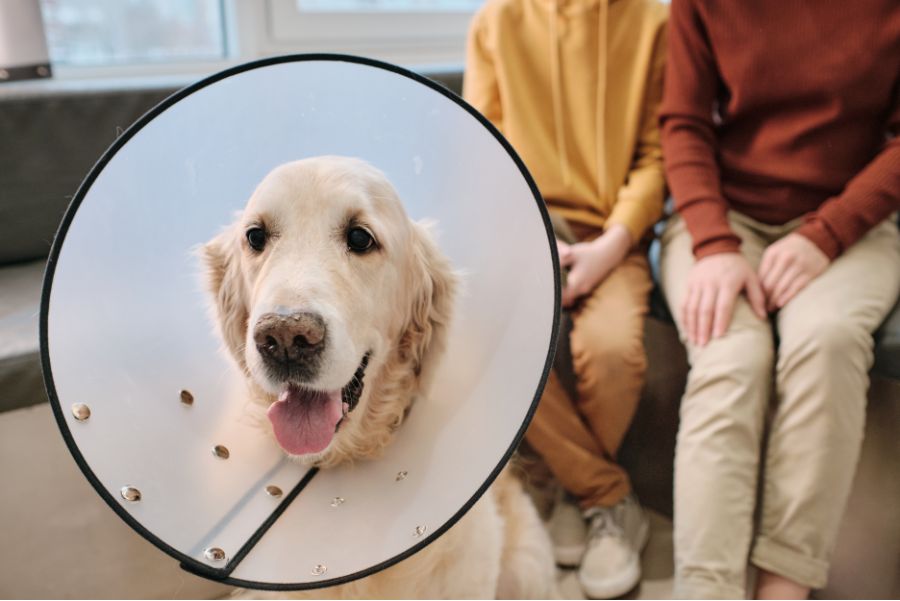
- Do not allow your cat to lick or scratch the incision. Use an e-collar if recommended by your vet
- Offer small amounts of water first, then food, after you return home
- Keep follow-up appointments, even if your cat seems perfectly fine
Contact your vet immediately if your cat stops eating for more than 24 hours, develops a fever, or if the incision appears swollen or opens up.
Managing Pain and Medication at Home
Pain management after surgery is part of the recovery plan, not an afterthought. Your vet will send your cat home with appropriate pain medication tailored to the procedure performed. Your veterinarian will determine the correct dosage based on your cat’s weight and health history.
Never give your cat human pain medications. Acetaminophen and ibuprofen are toxic to cats and can cause organ failure. Even aspirin, which some owners assume is safe in small amounts, is dangerous to cats. Always use only what your vet prescribes.
In our experience, cats who receive consistent at-home pain management recover more comfortably and return to normal eating and behavior faster than those who do not. If you feel your cat is still in pain despite medication, call your vet rather than increasing the dose on your own.
Cat surgical care provided in the clinic continues at home through the medications and monitoring you do. Your vet is your partner through the full recovery, not just the procedure.
What to Look for as Your Cat Gets Better
Recovery is a process, not an event. Progress should be gradual and steady. Most cats begin eating within 12 to 24 hours of returning home. Energy levels return over several days. Full activity, including jumping and running, should be restricted until your vet clears your cat at the follow-up visit.
Watch for these signs of a smooth recovery:
- Eating and drinking returning to normal within 24 to 48 hours
- Calm resting without excessive crying or hiding
- Incision site staying clean, dry, and closed
- Steady improvement in alertness and movement each day
Watch for these warning signs that need prompt veterinary attention:
- Refusal to eat or drink for more than 24 hours
- Pale or yellow gums
- Swelling, discharge, or odor at the incision site
- Extreme lethargy beyond the first 24 hours
- Labored breathing or obvious distress
In Mahopac, NY, cats have access to dedicated feline-focused care at South Putnam Cat Care. Our team is trained specifically in cat surgical care and is available to answer questions throughout your cat’s recovery.
Conclusion
Knowing what to expect at every stage of cat surgery makes a difficult experience manageable. Pre-op preparation, day-of procedures, and at-home recovery each require your active involvement. Your cat cannot tell you what they need, so they rely entirely on you to follow through. The pre-surgery cat prep steps, the attention you give during cat recovery after surgery, and the daily monitoring you provide are all part of the same care continuum. Cat anesthesia safety and cat surgical care do not end when your cat leaves the clinic. They continue in every choice you make at home. Trust your vet team, ask questions, and stay attentive. Your cat’s outcome depends on both. Book an appointment today.
Frequently Asked Questions
Q: What should I do to prepare my cat for surgery?
Ans: Follow your vet’s fasting instructions exactly; typically no food after midnight the night before. Have your cat’s carrier, medical records, and a calm, quiet space at home ready in advance.
Q: How long does cat anesthesia take to wear off?
Ans: Most cats are awake and alert within a few hours of surgery, though grogginess can persist for up to 12 hours. Keep your cat warm, quiet, and supervised during this window.
Q: How do I care for my cat’s incision site at home?
Ans: Check the incision twice daily for redness, swelling, or discharge. Keep it dry, and use an e-collar if your cat attempts to lick or scratch the area. Contact your vet if anything looks abnormal.
Q: When should I be concerned about my cat after surgery?
Ans: Call your vet right away if your cat refuses to eat for more than 24 hours, shows signs of swelling or discharge at the incision site, or appears to be in significant pain despite medication.
Q: How long does it take for a cat to fully recover from surgery?
Ans: Most cats need 10 to 14 days for full internal healing. Even if your cat seems back to normal after a few days, restrict activity until your vet clears them at the follow-up visit.