$50 Off First Visit For New Clients

How Toys Help Reduce Anxiety in Dogs and Cats
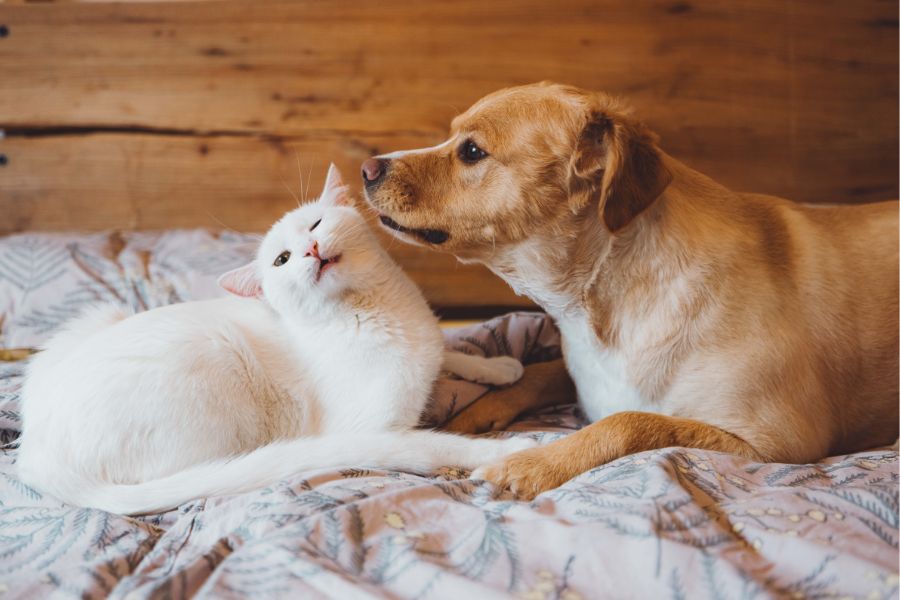
Anxiety in pets is more common than many owners realize. From loud noises and separation stress to boredom and changes in routine, both dogs and cats can struggle with emotional stress that affects their overall health and happiness. Fortunately, the right toys and enrichment activities can play a major role in managing anxiety and supporting emotional well-being in pets.
In this guide, we’ll explore how toys help with dog and cat anxiety, the best toys for anxious pets, and practical ways to support behavioral health through pet enrichment and calming activities. Whether your pet experiences occasional nervousness or ongoing stress, small changes in daily play can make a big difference.
Understanding Anxiety in Dogs and Cats
Pets experience anxiety in many different ways. Some animals become clingy or vocal, while others may hide, chew furniture, scratch excessively, or lose interest in eating. Anxiety can be triggered by:
- Separation from owners
- Thunderstorms or fireworks
- New environments
- Changes in household routines
- Lack of exercise or stimulation
- Past trauma or neglect
Just like humans, pets need healthy outlets for stress reduction and emotional balance. That’s where toys and interactive activities become incredibly helpful.
When used consistently, toys encourage self-soothing behavior, cognitive stimulation, and the prevention of boredom, all of which support long-term pet wellness.
How Toys Help Reduce Pet Anxiety
One of the biggest causes of stress in pets is understimulation. Dogs and cats that do not get enough exercise or mental engagement can develop anxious behaviors over time.
Interactive toys help redirect nervous energy into healthy activities. Puzzle feeders, chew toys, and sensory toys encourage pets to focus, solve problems, and stay mentally occupied.
Benefits include:
- Improved behavioral health
- Reduced destructive behavior
- Better focus and relaxation
- Increased confidence in anxious pets
- Healthier daily routines
For many pets, even 15–20 minutes of structured play daily can help reduce anxiety symptoms.
The Connection Between Pet Enrichment and Emotional Well-being
Pet enrichment refers to activities and environments that encourage instincts and healthy engagement. Enrichment is essential for dogs and cats because it keeps their minds active and their emotions balanced.
For dogs, enrichment may include:
- Snuffle mats
- Treat-dispensing toys
- Tug toys
- Scent games
- Long-lasting chews
For cats, enrichment often involves:
- Wand toys
- Climbing structures
- Puzzle feeders
- Catnip toys
- Motion-activated toys
These activities provide sensory stimulation while helping pets feel more secure and in control of their surroundings.
Pets that receive regular enrichment are often calmer, more adaptable, and less likely to develop anxiety-related behaviors.
Best Toys for Pets With Anxiety
Choosing the right toy depends on your pet’s personality, age, and anxiety triggers. Some pets need calming comfort items, while others benefit from high-energy interactive play.
Best Toys for Dogs With Anxiety
1. Puzzle Toys
Puzzle toys challenge dogs mentally while rewarding them with treats. These toys are excellent for distraction during stressful situations, such as thunderstorms, or for alone time.
2. Durable Chew Toys
Chewing naturally relieves stress in dogs. Durable rubber toys or textured chews help provide calming activities and encourage self-soothing behavior.
3. Snuffle Mats
Snuffle mats mimic natural foraging instincts and promote cognitive stimulation. They are especially useful for high-energy dogs prone to boredom.
4. Comfort Toys for Pets
Soft plush toys can provide emotional comfort, especially for puppies or rescue dogs dealing with separation anxiety.
Best Toys for Cats With Anxiety
1. Interactive Wand Toys
Cats benefit from toys that imitate prey movement. Wand toys encourage healthy exercise and release nervous energy.
2. Puzzle Feeders
Puzzle feeders slow down eating while engaging a cat’s brain. They are excellent for preventing boredom and managing anxiety.
3. Catnip and Silvervine Toys
Many cats respond positively to calming herbs like catnip or silvervine. These toys can encourage relaxation and positive play behavior.
4. Motion-Activated Toys
For cats that spend long hours indoors, motion toys provide entertainment and sensory stimulation even when owners are busy.
Signs Your Pet May Benefit From Anxiety Toys
Some anxiety symptoms in pets are subtle. Your dog or cat may benefit from enrichment toys if they show behaviors such as:
- Excessive barking or meowing
- Hiding frequently
- Pacing or restlessness
- Overgrooming
- Destructive chewing or scratching
- Separation distress
- Loss of appetite
- Difficulty settling down
Toys alone may not solve severe anxiety, but they can become an important part of a complete stress reduction plan.
How to Introduce Toys to Anxious Pets
Not every pet immediately understands how to use enrichment toys. Introducing toys slowly and positively can help anxious pets feel more comfortable.
Tips for Success
Start Simple
Begin with easy toys that offer quick rewards. Complicated puzzles may frustrate already anxious pets.
Use Positive Reinforcement
Praise and treats encourage pets to interact confidently with new toys.
Rotate Toys Regularly
Changing toys every few days keeps playtime interesting and prevents boredom.
Create Calm Play Sessions
Avoid overwhelming your pet with too many toys at once. Quiet, predictable play sessions are best for the emotional well-being of pets.
Match the Toy to Your Pet’s Personality
Some dogs prefer chewing while others love chasing or problem-solving. Cats may enjoy climbing, hunting, or batting objects.
The goal is to create positive experiences that build confidence and relaxation over time.
Why Routine Matters for Anxiety Management
Toys work best when paired with a stable daily routine. Pets thrive on predictability, and structured schedules help reduce stress.
A healthy routine should include:
- Daily exercise
- Interactive playtime
- Consistent feeding schedules
- Quiet rest periods
- Positive social interaction
Combining routine with pet enrichment creates a balanced environment that supports long-term behavioral health.
For example, a dog with separation anxiety may feel calmer after a morning walk followed by a puzzle toy before the owner leaves for work.
A cat may become less stressed when provided with regular play sessions and cozy spaces for comfort.
When Anxiety May Require Veterinary Support
While toys and enrichment are highly beneficial, some pets experience more serious anxiety that requires professional care.
You should speak with a veterinary professional if your pet experiences:
- Severe panic behaviors
- Aggression is linked to fear
- Self-injury
- Appetite loss
- Ongoing destructive behavior
- Extreme separation anxiety
A veterinary team can identify underlying health issues, recommend behavioral strategies, and discuss additional anxiety-management options when needed.
Early intervention is important because untreated anxiety can affect both physical and emotional health over time.
Creating a Calming Home Environment
In addition to toys, your home environment plays a major role in reducing pet stress.
Simple changes can make anxious pets feel safer:
- Provide quiet hiding spaces
- Use calming music or white noise
- Maintain predictable routines
- Avoid punishment-based training
- Offer regular affection and interaction
- Create separate spaces in multi-pet households
Combining these strategies with comfort toys for pets and enrichment activities creates a supportive environment where pets can relax and thrive.
The Long-Term Benefits of Enrichment Toys
The benefits of enrichment extend far beyond entertainment. Toys contribute to healthier emotional and behavioral development throughout a pet’s life.
Long-term benefits include:
- Improved confidence
- Better stress coping skills
- Reduced boredom-related behaviors
- Enhanced cognitive function
- Stronger owner-pet bonding
- Increased physical activity
- Better overall pet wellness
For aging pets, cognitive stimulation can also help keep the brain active and engaged, supporting quality of life as they grow older.
Investing in enrichment toys is one of the simplest and most effective ways to support pets’ emotional well-being every day.
Seek Help When Your Pet Is Anxious
Managing pet anxiety often starts with understanding your pet’s emotional needs. Toys help provide comfort, cognitive stimulation, sensory engagement, and healthy stress relief.
From puzzle feeders and chew toys to wand games and plush comfort items, the best toys for pets with anxiety encourage calming activities and support better behavioral health. Combined with routine, exercise, and a supportive environment, enrichment toys can make a meaningful difference in your pet’s daily life.
If your pet is showing signs of ongoing anxiety or stress, professional guidance can help create a personalized care plan. If you’re concerned about your pet’s anxiety and need guidance from a veterinarian near you in Mahopac, book an appointment with South Putnam Animal Hospital today. Our team is here to support your pet’s emotional and physical well-being.
FAQs
Q1: What are the best toys for pets with anxiety?
Ans: Puzzle toys, chew toys, snuffle mats, and plush comfort toys are some of the best toys for pets with anxiety because they provide mental stimulation and calming engagement.
Q2: Can toys really help reduce dog anxiety?
Ans: Yes. Interactive toys help reduce dog anxiety by providing distraction, cognitive stimulation, and healthy outlets for nervous energy and boredom.
Q3: How do I know if my cat has anxiety?
Ans: Signs of cat anxiety include hiding, overgrooming, excessive meowing, aggression, appetite changes, and avoidance behaviors.
Q4: How often should I use enrichment toys with my pet?
Ans: Daily enrichment is ideal. Even short sessions of interactive play or puzzle-solving can improve pets’ emotional well-being and reduce stress.
Q5: When should I contact a veterinarian about pet anxiety?
Ans: You should contact a veterinarian if your pet shows severe anxiety symptoms, destructive behavior, panic, aggression, or ongoing changes in appetite or behavior.