$50 Off First Visit For New Clients


Looking Beyond Symptoms With Cat Diagnostic Care
Cats often conceal discomfort, making it difficult to recognize when something is wrong. Subtle shifts in behavior or appetite can indicate underlying concerns that need deeper evaluation. At South Putnam Animal Hospital, we focus on uncovering those answers through advanced testing and detailed assessments. We proudly provide cat diagnostic care in Mahopac, helping families gain clarity and take informed steps toward better health for their feline friends.
Our approach centers on combining observation with modern tools that reveal what cannot be seen during a routine exam. Each vet visit is an opportunity to understand your cat better, while a veterinarian uses diagnostic findings to guide care decisions. Through consistent veterinary attention, we help support long-term health and stability.
Why Early Testing Matters for Cats
Cats rarely show obvious signs of illness until conditions progress. Early testing allows a vet to detect concerns before they become more serious. Changes in eating habits, grooming, or activity often signal the need for further evaluation.
Diagnostic care for cats enables early detection of problems with internal organs like the kidneys, liver, and heart. Veterinarians interpret diagnostic results to better understand your cat’s health, enabling more accurate guidance on subsequent actions. Regular veterinary monitoring also helps track patterns over time, making it easier to detect changes.
Timely testing provides answers that support better outcomes and reduce uncertainty when your cat’s behavior shifts.
What Happens During Diagnostic Visits
A diagnostic visit begins with a detailed review of your cat’s recent behavior and health history. Observations from home provide valuable context that helps guide testing decisions.
During the visit, our vet team focuses on:
- Symptom evaluation: Reviewing changes in appetite, activity, and habits to determine possible causes.
- Physical examination: Assessing body condition, posture, and visible signs of discomfort.
- Targeted diagnostics: Selecting appropriate tests based on findings to narrow down concerns.
- Care planning: Discussing results and outlining the next steps for monitoring or treatment.
Each veterinary visit is structured to provide clear answers while supporting your cat’s overall well-being through thoughtful veterinary care.
On-Site Laboratory Testing for Quick Results
Access to an on-site laboratory allows testing to be completed efficiently, helping reduce delays in understanding your cat’s condition. Faster results mean quicker decisions and more effective care.
Laboratory services may include:
- Blood testing: Evaluates organ function, infection markers, and overall health status.
- Urinalysis: Helps detect urinary tract concerns, kidney issues, and metabolic conditions.
- Fecal testing: Identifies parasites and digestive concerns that may impact health.
Timely laboratory results allow a veterinarian to respond promptly, ensuring your cat receives the attention needed without unnecessary delays.
Imaging Technology for Clear Internal Views
Certain health concerns require a closer look beneath the surface. Imaging tools allow a veterinarian to evaluate internal structures with clarity and precision.
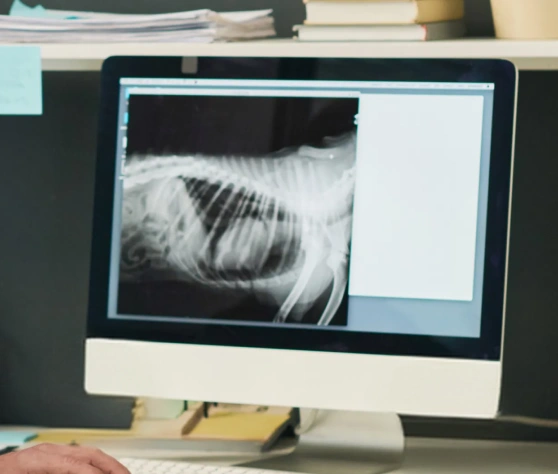
We use X-rays and ultrasounds for cats to assess organs, bones, and soft tissues. These tools help identify injuries, blockages, and abnormalities that may not be visible during a physical exam.
Imaging plays a central role in diagnostic care for cats, offering valuable insight that supports accurate decision-making. Veterinary imaging allows us to understand your cat’s condition in greater detail and plan the next steps effectively.
Digital Radiology for Accurate Diagnosis
Digital radiology provides detailed images that help identify issues affecting bones and internal systems. A vet may recommend radiographs when there are concerns about breathing, mobility, or digestive health.
Radiology helps detect:
- Bone changes: Identifying fractures or joint concerns that may affect movement.
- Chest evaluation: Assessing lungs and heart size for potential abnormalities.
- Abdominal concerns: Detecting blockages, foreign objects, or organ changes.
Ultrasound for Internal Health Assessment
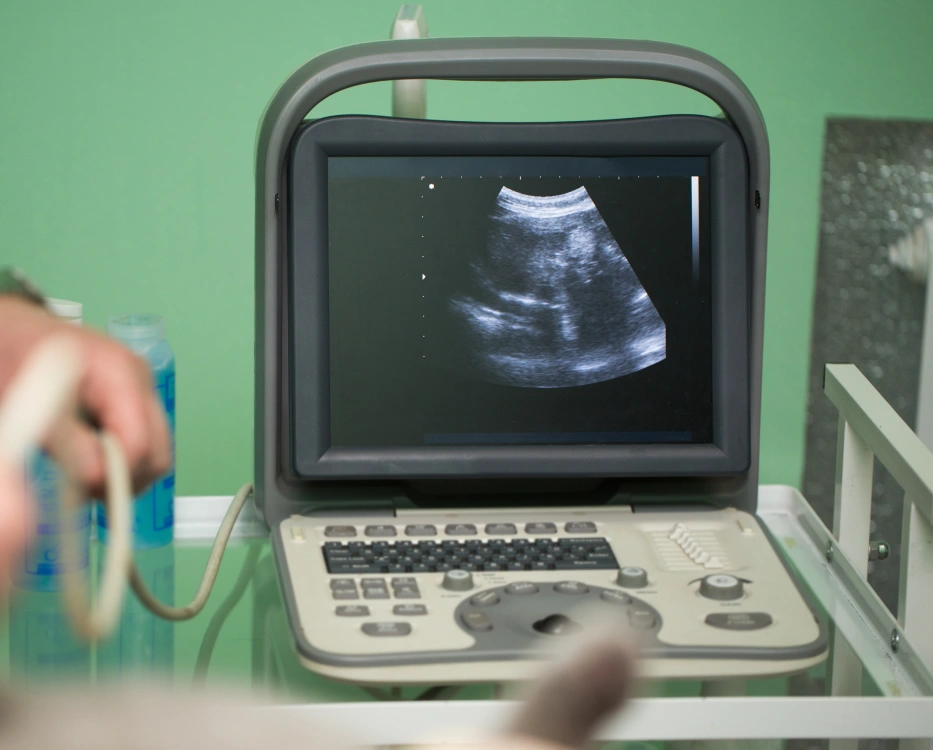
Ultrasound technology provides a dynamic view of internal organs and soft tissues. A veterinarian may use ultrasound to evaluate areas that require more detailed observation.
Ultrasound helps identify fluid buildup, tissue changes, and organ irregularities. Real-time imaging enables a deeper understanding of how systems function, supporting more precise evaluations.
Combining ultrasound with other diagnostics ensures that no detail is overlooked when assessing your cat’s health.
Electrocardiogram to Evaluate Heart Rhythm Patterns
Heart function plays an essential role in overall health. An electrocardiogram, or EKG, measures the heart's electrical activity and helps detect irregular rhythms. A veterinarian may recommend an EKG if symptoms such as fatigue, breathing changes, or unusual behavior appear. The test provides valuable information that supports accurate diagnosis and care planning.
Diagnostics, such as EKG testing, help identify heart-related concerns early, enabling effective guidance on next steps.
Signs That Indicate Need for Testing
Recognizing early signs of concern helps ensure your cat receives timely evaluation. Changes in routine often signal the need for diagnostic care.
Common signs include:
- Decreased appetite: Changes in eating habits may indicate digestive or systemic issues.
- Low activity levels: Unusual fatigue can signal underlying health concerns.
- Vomiting or digestive changes: Persistent symptoms often require further evaluation.
- Behavior shifts: Increased hiding or irritability may point to discomfort.
How Diagnostics Support Ongoing Health Monitoring
Diagnostic testing plays an important role in ongoing health monitoring, especially for aging cats or those with chronic conditions. Regular testing helps track changes and ensures stability over time.
A vet may recommend periodic testing to evaluate organ function and monitor existing conditions. Veterinary diagnostics provide valuable data that supports adjustments in care when needed. Consistent monitoring helps maintain balance while reducing the risk of unexpected health concerns.
Book an appointment with South Putnam Animal Hospital to help your cat receive timely testing, accurate answers, and supportive care tailored to their needs.