$50 Off First Visit For New Clients


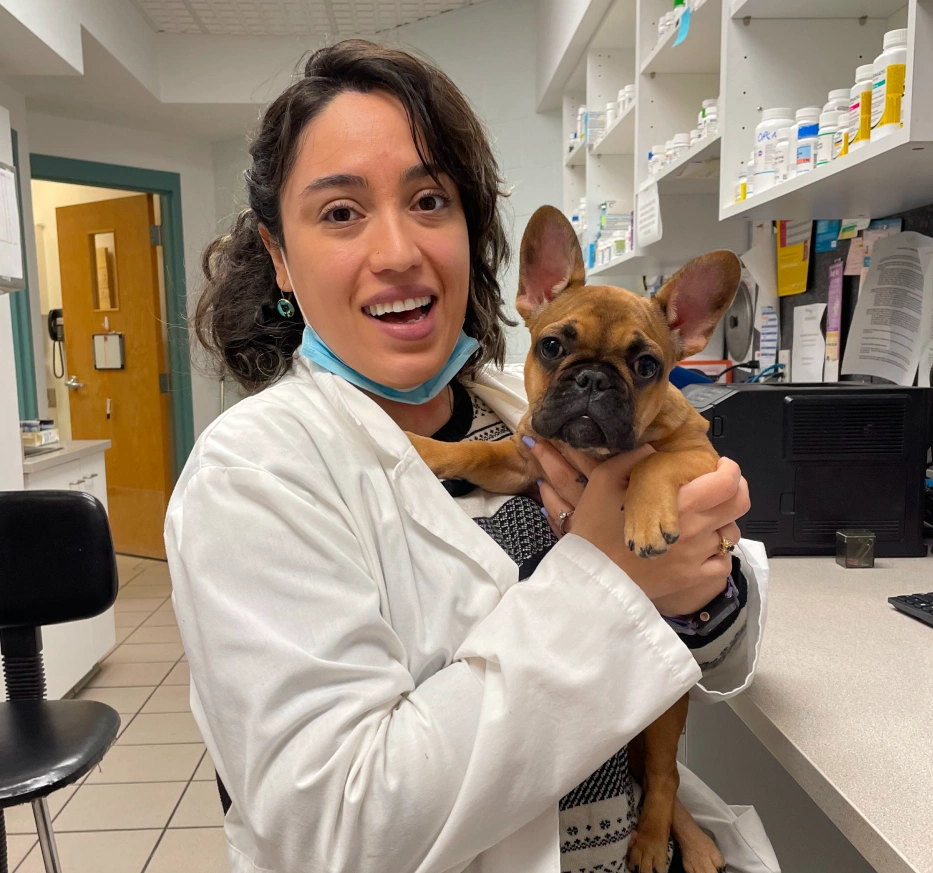
Giving Puppies a Healthy Start From Day One
Puppy growth brings rapid changes in behavior, nutrition needs, and physical development. Early support lays the foundation for a stable adult life, especially when guided by proper medical care and routine evaluations. At South Putnam Animal Hospital, care for young dogs is tailored to each stage of development, helping families navigate early health milestones with clarity and direction. Our approach to puppy care in Mahopac focuses on building strong wellness habits from the very first visit.
Early visits also help owners understand feeding routines, social behavior, and preventive care strategies. Our veterinary team in Mahopac emphasizes clear communication so each household can confidently manage daily care decisions for their growing pet.
Routine Wellness Examinations
Regular examinations form the foundation of preventive care. Each visit allows monitoring of growth, vaccination status, and behavioral progress.
A veterinarian evaluates the physical condition, listens for changes in cardiac and respiratory function, and reviews developmental milestones. Routine exams also help reinforce preventive strategies and adjust care plans as needed. Consistent monitoring helps ensure early detection of any emerging concerns.
A veterinary review during these visits supports maintaining health stability throughout puppy development.
Vaccination Schedules and Prevention Care
Protecting young dogs from preventable illnesses remains a major focus during early life stages. Vaccinations are timed to strengthen immunity while minimizing exposure risks.
Core vaccines often include protection against distemper, parvovirus, and rabies. Additional vaccines may be recommended depending on lifestyle and environment.
Preventive care benefits include:
- Immune system support: Strengthening defense against common infectious diseases.
- Disease risk reduction: Lowering exposure to illnesses found in social environments.
- Long-term health stability: Building immunity foundations for adulthood.
- Travel readiness: Preparing puppies for safe interaction outside the home.

Nutrition Planning for Healthy Growth
Proper nutrition influences bone strength, coat quality, and energy levels. Puppies require balanced diets tailored to their breed size and growth rate.
Feeding plans may evolve as puppies grow, shifting from high-energy formulations to maintenance-based diets. Monitoring appetite and digestion helps guide adjustments.
Important nutrition considerations include:
- Protein intake balance: Supporting muscle and tissue development.
- Calcium and mineral levels: Encouraging healthy bone formation.
- Meal frequency structure: Stabilizing energy throughout the day.
- Digestive tolerance: Identifying food sensitivities early.
A veterinary review helps ensure dietary choices align with each puppy’s growth stage.
Behavioral Development and Social Skills
Early experiences can shape how a puppy responds to the world as they grow. Gentle exposure to new sounds, people, places, and other animals helps puppies feel more comfortable in different situations. Positive social interaction during the early months can also reduce fearful behavior and encourage calmer, more confident habits over time.
Key behavior focus areas include:
- Environmental exposure: Introducing household and outdoor stimuli gradually.
- Interaction learning: Teaching appropriate play with humans and other pets.
- Routine building: Establishing a predictable daily structure for stability.
- Response training: Encouraging positive reactions to commands and cues.
A veterinarian may observe behavior patterns during visits to identify developmental concerns early.
Parasite Prevention During Early Puppy Growth
Puppies are highly vulnerable to parasites such as fleas, ticks, and intestinal worms. Preventive treatment helps reduce health risks and supports steady growth. Regular screening and preventive medications are often included in wellness plans.
Protection strategies include:
- Internal parasite control: Managing intestinal worms that affect nutrient absorption.
- External parasite prevention: Reducing exposure to fleas and ticks in outdoor environments.
- Seasonal monitoring: Adjusting prevention based on environmental changes.
- Hygiene support: Maintaining clean living spaces to reduce the risk of reinfection.
A veterinary care plan ensures preventive measures remain effective throughout the development stages.
Start Your Puppy’s Healthy Journey Today
Early signs such as rapid growth changes, vaccination scheduling needs, or behavioral shifts often signal the right time to begin structured care. Book an appointment with South Putnam Animal Hospital for puppy care in Mahopac and receive support for vaccinations, nutrition planning, and developmental monitoring tailored to growing dogs.