$50 Off First Visit For New Clients


333 Rule for Rescue Cats: Helping Your New Kitty Feel at Home
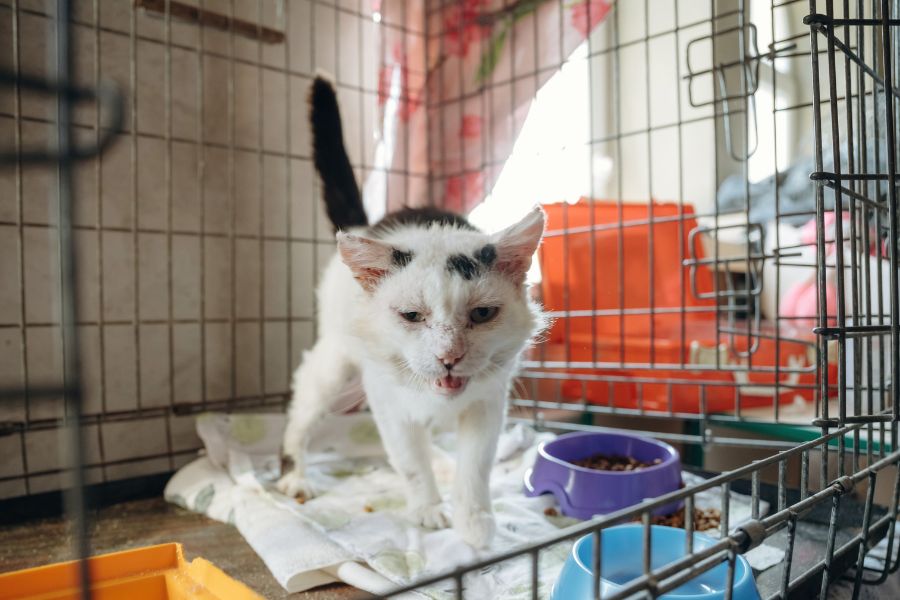
Bringing home a rescue cat is exciting, but the first few days can be confusing for both you and your new pet. Many cats need time to adjust to a new environment, new people, and unfamiliar routines. That’s where the 333 rule for cats becomes helpful.
The 333 rule for cats explains the typical new cat adjustment period after adoption. It breaks the transition into three stages that help owners understand how long it may take for a rescue cat to feel safe and comfortable. In this guide, you will learn how the rule works, what to expect during each stage of the rescue cat adjustment period, and practical tips to help your new feline settle in smoothly.
What Is the 333 Rule for Cats?
The 333 rule for cats is a simple guideline used by veterinarians, shelters, and animal behavior experts. It describes how rescue cats typically adjust to their new homes over three phases:
- 3 Days to decompress
- 3 Weeks to start learning routines
- 3 Months to fully feel at home
Not every cat follows this timeline exactly. Some may adjust faster, while others need more time. However, the rule provides a helpful framework to understand the process of the rescued cat settling in.
During this period, patience and consistency are essential. Cats rely on routine and familiarity, so giving them time to explore at their own pace helps reduce stress.
The First 3 Days: Decompression Stage
The first stage of the new cat adjustment period is the most sensitive. Your cat has just arrived in a completely new environment after experiencing a shelter, foster home, or possibly a stressful rescue situation.
What Your Cat May Do
During these first three days, many cats will:
- Hide under furniture
- Avoid eye contact
- Refuse food initially
- Remain quiet or very cautious
- Observe their surroundings from a safe spot
This behavior is completely normal. Your cat is trying to understand whether the new environment is safe.
How to Help During the First 3 Days
You can support your cat’s adjustment period by creating a calm and secure space.
Helpful tips include:
- Prepare a quiet room with food, water, litter box, and bedding
- Avoid loud noises or large gatherings
- Let your cat come to you instead of forcing interaction
- Speak softly and move slowly
- Keep a consistent feeding schedule
Giving your cat space during this stage helps build trust.
The First 3 Weeks: Learning the Routine
After the initial decompression stage, most cats begin exploring more confidently. This phase of the 333 rule for cats is when your pet starts understanding daily routines and forming a bond with you.
Behavioral Changes You May Notice
During this stage, cats may:
- Begin exploring the house
- Start playing with toys
- Show curiosity about family members
- Develop eating and sleeping routines
- Respond to their name or voice
Your cat is gradually becoming more comfortable and learning what to expect from the household.
Ways to Support Your Cat During This Stage
Consistency is key in helping a rescue cat settle in.
Consider these strategies:
- Feed your cat at the same time every day
- Introduce interactive toys for enrichment
- Provide scratching posts and climbing areas
- Maintain a predictable routine
- Allow gentle social interaction
These activities build confidence and help reduce anxiety.
The First 3 Months: Feeling Truly at Home
The final stage of the 333 rule for cats happens around the three-month mark. At this point, many cats start showing their true personality.
Signs Your Cat Is Fully Adjusting
Your cat may begin to:
- Seek affection from family members
- Play more actively
- Sleep comfortably in open areas
- Show relaxed body language
- Follow household routines confidently
This stage marks the end of the main rescue cat adjustment period. Your cat now recognizes the home as a safe and permanent place.
However, remember that each cat has its own personality. Some may remain naturally shy, while others become extremely social.
Common Challenges During the Rescue Cat Adjustment Period
Even with the 333 rule for cats, some adjustment challenges are normal.
1. Hiding Behavior
Cats often hide when they feel uncertain. Avoid pulling them out of hiding spaces. Instead, create safe hiding areas like covered beds or boxes.
2. Appetite Changes
Stress can affect appetite. Offer small meals and ensure fresh water is always available.
3. Litter Box Issues
A new environment may temporarily disrupt litter habits. Make sure the litter box is clean and located in a quiet, accessible place.
4. Nighttime Activity
Cats are naturally more active at night. Regular play sessions during the day can help regulate their energy.
Creating the Ideal Environment for a New Rescue Cat
Helping a cat feel safe during the new cat adjustment period requires a supportive environment.
Essential Items for a New Cat
Your home should include:
- A comfortable sleeping area
- A clean litter box
- High-quality cat food
- Scratching posts
- Safe hiding spots
- Interactive toys
Environmental enrichment helps reduce stress and keeps your cat mentally stimulated.
Maintain a Predictable Routine
Cats thrive on routine. Feeding, playtime, and quiet time should happen around the same schedule each day. This predictability reassures your cat and speeds up the rescue cat adjustment period.
When to Visit a Veterinarian After Adopting a Cat
Even if your cat seems healthy, scheduling a veterinary exam shortly after adoption is important.
A vet visit can help:
- Check for underlying health conditions
- Update vaccinations
- Screen for parasites
- Discuss nutrition and behavior
- Establish a preventive care plan
Early veterinary care ensures your rescue cat begins their new life in the best possible health.
Conclusion
The 333 rule for cats provides a helpful framework for understanding the new cat adjustment period after adoption. During the first three days, your cat decompresses. Over the next three weeks, they begin learning routines, and by three months, many cats feel truly at home. With patience, consistency, and a calm environment, most rescue cats gradually develop confidence and strong bonds with their new families.
If you recently adopted a cat and have questions about behavior, nutrition, or health care, consider scheduling a wellness visit with South Putnam Animal Hospital, a trusted Veterinary hospital in Mahopac, to ensure your new companion gets the best start possible.
FAQs
Q1: What is the 333 rule for cats?
Ans: The 333 rule for cats describes the typical adjustment timeline after adoption: 3 days to decompress, 3 weeks to learn routines, and 3 months to feel fully comfortable in a new home.
Q2: How long does it take for a rescue cat to adjust to a new home?
Ans: Most cats take several weeks to a few months to fully adjust. The rescue cat adjustment period varies depending on the cat’s past experiences and personality.
Q3: Why is my new rescue cat hiding all the time?
Ans: Hiding is common during the new cat adjustment period. Cats hide to feel safe while they observe their new surroundings.
Q4: Should I leave my new rescue cat alone at first?
Ans: Yes. Giving your cat space during the first few days allows them to decompress and build confidence at their own pace.
Q5: When should I take my newly adopted cat to the vet?
Ans: It is best to schedule a veterinary visit within the first week or two after adoption to check overall health and discuss preventive care.