$50 Off First Visit For New Clients


Why Does My Cat Eat Grass Then Throw Up? A Vet Explains the Real Reason
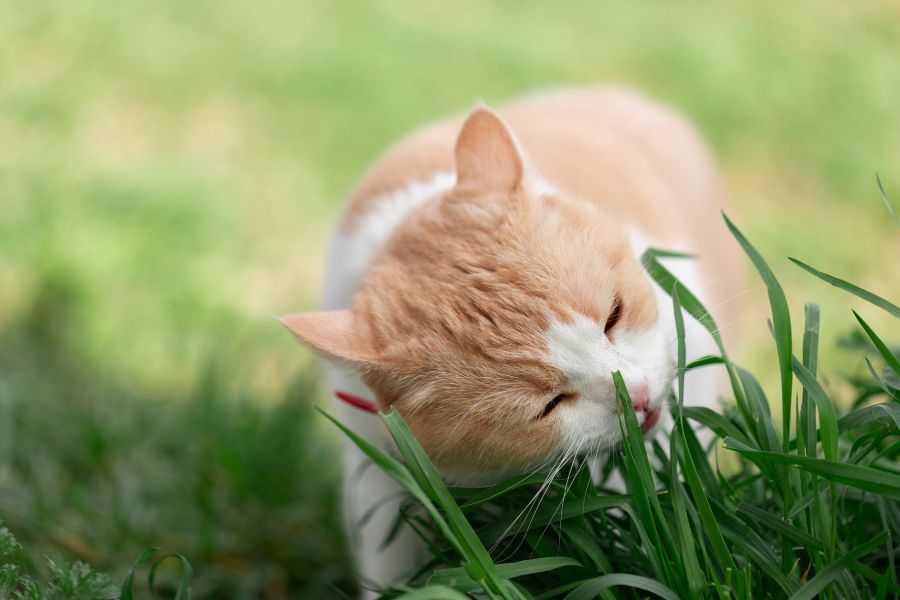
If you have ever seen your cat eating grass only to throw up minutes later, you are not alone. Many pet owners worry when they notice cats eating grass followed by vomiting, but in most cases, this behavior is surprisingly common.
In this guide, a veterinarian explains why cat eating grass vomiting happens, when cat grass throwing up is normal, and when it signals a deeper health issue that may require professional pet diagnostic care.
Is It Normal for Cats to Eat Grass?
Yes, in most cases, cats eating grass is completely normal behavior.
Even though cats are obligate carnivores, meaning they require meat in their diet, many indoor and outdoor cats instinctively chew on grass. Studies suggest that up to 70 percent of cats will eat plants occasionally.
There are several reasons why this happens:
- Natural instinct from wild ancestors
- Digestive stimulation
- Relief from mild stomach discomfort
- Curiosity or boredom
So if you are wondering, “Is my cat eating grass normal?” the answer is usually yes. The vomiting that sometimes follows is also often part of the process.
Why Do Cats Eat Grass and Then Throw Up?
1. Grass Helps Trigger Vomiting
One of the most common reasons for a cat eating grass and vomiting is that grass acts as a natural irritant to the stomach lining.
Grass is difficult for cats to digest because they lack the enzymes needed to break down plant fiber. When grass sits in the stomach:
- It irritates the stomach lining
- It stimulates the gag reflex
- It causes regurgitation or vomiting
In many cases, the vomit contains grass and sometimes hair or small debris. This may help the cat clear out hairballs or other indigestible material.
2. Removing Hairballs
Cats groom themselves frequently, swallowing loose fur in the process. While most hair passes through the digestive tract, some accumulates in the stomach.
Cat grass throwing up may be your cat’s way of helping expel a forming hairball before it becomes a blockage.
You may notice:
- Grass mixed with hair in vomit
- Occasional gagging before vomiting
- No other signs of illness
If this happens occasionally and your cat behaves normally afterward, it is typically not a concern.
3. Mild Stomach Upset
Some cats instinctively eat grass when they feel mild nausea or digestive discomfort.
The act of eating grass and then vomiting may provide temporary relief. However, if your cat is frequently eating grass and vomiting, this could point to:
- Food intolerance
- Inflammatory bowel disease
- Parasites
- Dietary imbalance
At that point, further evaluation and pet diagnostic care may be needed.
How Often Is Too Often?
Occasional vomiting after cats eat grass is considered normal. However, frequency matters.
Normal Pattern:
- Once every few weeks
- Cat acts normally afterward
- No appetite changes
- No lethargy
Concerning Pattern:
- Vomiting multiple times per week
- Vomiting without grass
- Weight loss
- Diarrhea
- Decreased appetite
- Behavioral changes
If you notice repeated cat eating grass vomiting, especially without grass present in the vomit, it is time to schedule a veterinary exam.
Could My Cat Be Lacking Nutrients?
This is a common myth. Many owners believe cats eat grass due to vitamin deficiencies.
Current veterinary research does not strongly support this theory. Most commercial cat foods are nutritionally complete and balanced. Grass consumption is more likely instinctual rather than a sign of missing nutrients.
However, if your cat is on a homemade diet or a poorly formulated food, nutritional gaps are possible. In these cases, your veterinarian may recommend:
- Blood work
- Fecal testing
- Dietary adjustments
- Advanced pet diagnostic care
Indoor Cats vs Outdoor Cats
Both indoor and outdoor cats eat grass, but the risks differ.
Outdoor Cats
- Access to natural lawns
- Potential exposure to pesticides
- Risk of parasites
Indoor Cats
- May chew on houseplants
- Risk of toxic plant ingestion
- May benefit from safe cat grass options
If your indoor cat enjoys grass, consider offering pet-safe grass such as:
- Wheatgrass
- Oat grass
- Barley grass
This allows safe chewing without exposure to chemicals or toxic plants.
When Grass Eating Becomes a Problem
Although cats eating grass is common, it should not become excessive.
Red flags include:
- Daily vomiting
- Blood in vomit
- Chronic diarrhea
- Sudden behavior change
- Signs of abdominal pain
- Repeated gagging without producing vomit
Persistent cat eating grass vomiting could signal:
- Gastrointestinal inflammation
- Intestinal blockage
- Pancreatitis
- Food allergies
- Parasites
- Hyperthyroidism in older cats
A proper exam and targeted pet diagnostic such as blood panels, abdominal X-rays, or ultrasound, may be necessary to identify the root cause.
Should You Stop Your Cat from Eating Grass?
In most healthy cats, there is no need to completely prevent grass eating.
However, you should:
- Avoid chemically treated lawns
- Remove toxic houseplants
- Provide safe, organic cat grass
- Monitor vomiting frequency
If your goal is to reduce cat grass throwing up, focus on improving digestive health.
Helpful strategies include:
- Regular grooming to reduce hair ingestion
- High-quality, balanced diet
- Hairball control formulas
- Increased hydration
- Scheduled wellness exams
Addressing the underlying cause often reduces the behavior naturally.
What Happens at a Veterinary Visit?
If your cat’s vomiting becomes frequent, your veterinarian will perform a structured evaluation.
This typically includes:
- Full physical exam
- Detailed diet and behavior history
- Fecal testing for parasites
- Blood chemistry and thyroid screening
- Imagine if indicated
This type of veterinary diagnostic care helps rule out serious causes and determine whether the grass eating is behavioral or medical.
Early detection of digestive disorders significantly improves treatment outcomes.
The Bottom Line on Cats Eating Grass and Vomiting
So, why does your cat eat grass and then throw up?
In most cases, cats eating grass is an instinct that may help clear hair or soothe mild stomach irritation. Occasional cat eating grass vomiting is normal, especially if your cat feels fine afterward.
However, frequent vomiting, appetite changes, or behavioral shifts should not be ignored. These could indicate an underlying digestive disease that requires professional evaluation and appropriate pet diagnostic care.
If you are concerned about repeated cat grass throwing up episodes, scheduling a veterinary exam can provide clarity and peace of mind.
Conclusion
Seeing your cat eat grass and then vomit can be alarming, but it is often a normal feline behavior. The key is monitoring frequency, overall health, and changes in appetite or energy. When in doubt, a vet ensures that minor issues do not become major problems.
If you are searching for a trusted pet diagnostic care in Mahopac, the vet team at South Putnam Animal Hospital provides comprehensive pet diagnostic care for digestive concerns and chronic vomiting. Contact us today and keep your cat healthy and comfortable.
FAQs
Q1: Is it normal for cats eating grass to throw up afterward?
Ans: Yes, occasional vomiting after cats eat grass is normal and often helps clear hair or stomach irritation.
Q2: How often should cat eating grass vomiting happen?
Ans: Once every few weeks can be normal, but frequent vomiting multiple times per week should be evaluated by a veterinarian.
Q3: Does cat grass throwing up mean my cat is sick?
Ans: Not necessarily. If your cat acts normally afterward, it is usually harmless. However, repeated vomiting or behavior changes may signal illness.
Q4: Should I stop my indoor cat from eating grass?
Ans: You do not need to stop it entirely, but ensure the grass is safe and chemical-free to prevent health risks.
Q5: When does my cat need pet diagnostic care for vomiting?
Ans: If vomiting is frequent, contains blood, or is accompanied by weight loss or lethargy, professional pet diagnostic care is recommended.