$50 Off First Visit For New Clients


First Time Boarding Your Cat? 5 Things You Need to Know
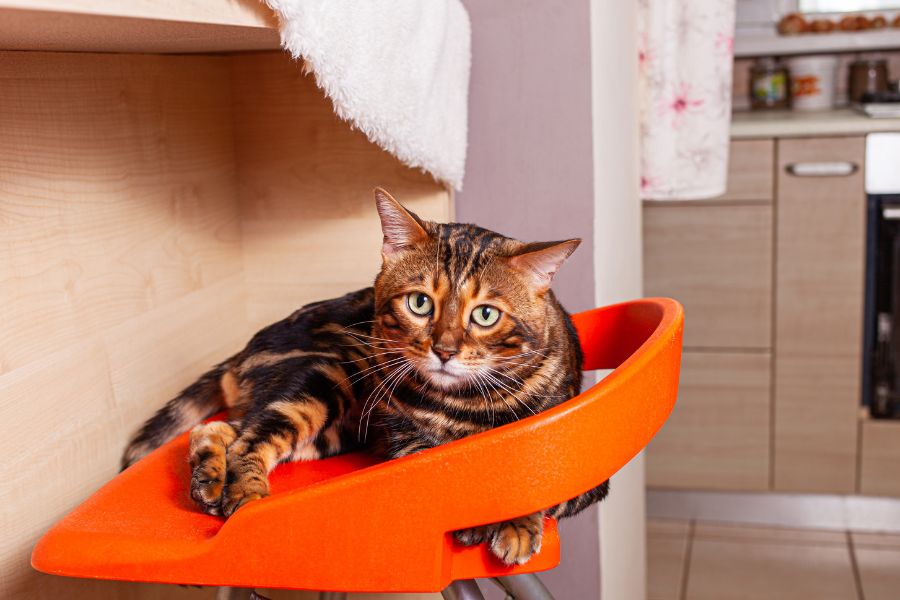
Boarding your cat for the first time can feel stressful, especially if your feline friend has never been away from home. Knowing what to expect and how to prepare can make the experience much smoother for both of you. In this guide, we’ll cover five essential things you need to know before boarding your cat, with practical tips from a veterinary perspective and insights tailored for pet owners.
1. Not All Cats React the Same to Boarding
Every cat has a unique personality, and that plays a big role in how they handle boarding. Some cats adapt quickly to new environments, while others may feel anxious being away from familiar sights, smells, and routines.
Common reactions during the first boarding stay may include:
- Hiding or reduced activity
- Temporary decrease in appetite
- Mild stress behaviors like vocalizing
This is completely normal, especially for first-time boarding. Reputable cat boarding facilities understand feline behavior and provide quiet spaces, limited handling, and predictable routines to help cats feel safe.
2. Vaccinations and Health Records Are Required
Before boarding your cat, most facilities will require up-to-date vaccinations to protect all pets in their care. This isn’t just policy—it’s essential for disease prevention in shared environments.
Commonly required vaccines include:
- Rabies
- FVRCP (feline viral rhinotracheitis, calicivirus, and panleukopenia)
Some boarding facilities may also ask for:
- Recent wellness exam records
- Proof of flea and parasite prevention
If you’re boarding your cat in a veterinary Hospital, it’s best to schedule a vet visit at least 1–2 weeks in advance to avoid last-minute stress.
3. Familiar Items Can Reduce Stress
Cats rely heavily on scent for comfort. Bringing familiar items from home can make a big difference during boarding.
Helpful items to pack:
- Your cat’s usual food
- A favorite blanket or towel that smells like home
- A familiar toy or bed
Avoid bringing items that could easily get lost or damaged. Most cat boarding facilities provide clean bedding, litter boxes, and bowls, but having something familiar can ease the transition.
4. Feeding Routines and Special Needs Matter
Cats are creatures of habit, especially when it comes to food. Sudden changes in diet can lead to stomach upset or refusal to eat.
Before boarding, provide clear instructions about:
- Feeding schedule and portion size
- Wet vs. dry food preferences
- Any medications or supplements
- Medical conditions such as diabetes or kidney disease
Quality boarding facilities carefully follow these instructions and monitor eating habits daily. If your cat requires medication, ensure it’s clearly labeled with written directions.
5. Choose the Right Boarding Facility
Not all boarding facilities are the same, and cats have very different needs from dogs. When choosing a cat boarding facility, look for one that prioritizes feline comfort and safety.
Key features to look for:
- Separate cat-only boarding areas
- Quiet, low-traffic environment
- Trained staff familiar with cat behavior
- Daily monitoring and updates
If possible, ask for a tour before booking. Seeing the space can give you peace of mind and help you feel confident about your choice.
Preparing Your Cat Before Boarding
Preparation doesn’t start the day you drop your cat off, it starts at home.
Helpful preparation tips:
- Keep the carrier out several days before boarding so your cat can explore it
- Practice short car rides if your cat isn’t used to travel
- Maintain a calm attitude, cats sense stress easily
If your cat has a history of anxiety, talk to your veterinarian about calming pheromones or short-term solutions.
How Long Does It Take for Cats to Adjust to Boarding?
Most cats adjust within the first 24–72 hours. During this time, mild changes in behavior are common. Experienced boarding staff will keep a close eye on your cat’s appetite, litter box habits, and overall demeanor.
Once cats settle into a routine, many become more relaxed and curious in their new environment.
Boarding vs. Pet Sitting: Which Is Better?
For some cats, in-home pet sitting may seem like a less stressful option. However, boarding can be ideal if:
- Your cat needs medical supervision
- You’re traveling for an extended period
- Reliable pet sitters are unavailable
A well-run boarding facility provides consistent care, monitoring, and a controlled environment.
Conclusion
Boarding your cat for the first time doesn’t have to be overwhelming. With the right preparation, a reputable facility, and clear communication, your cat can stay safe and comfortable while you’re away. If you have questions about boarding readiness, vaccinations, or stress management, the vet team at South Putnam Animal Hospital is here to help. Book an appointment to make sure your cat is ready for a stress-free boarding experience.
FAQs
Q1: Is boarding stressful for cats the first time?
Ans: Yes, mild stress is common at first, but most cats adjust within a few days with proper care and routine.
Q2: What vaccinations are required before boarding a cat?
Ans: Most facilities require rabies and FVRCP vaccines to protect all boarded cats.
Q3: Should I bring my cat’s food to the boarding facility?
Ans: Yes, bringing your cat’s regular food helps prevent digestive upset and maintains routine.
Q4: How long can a cat stay at a boarding facility?
Ans: Cats can safely stay for several days to a few weeks, depending on their health and comfort level.
Q5: How do I know if a boarding facility is good for cats?
Ans: Look for cat-only areas, trained staff, clean spaces, and clear communication about daily care.