$50 Off First Visit For New Clients


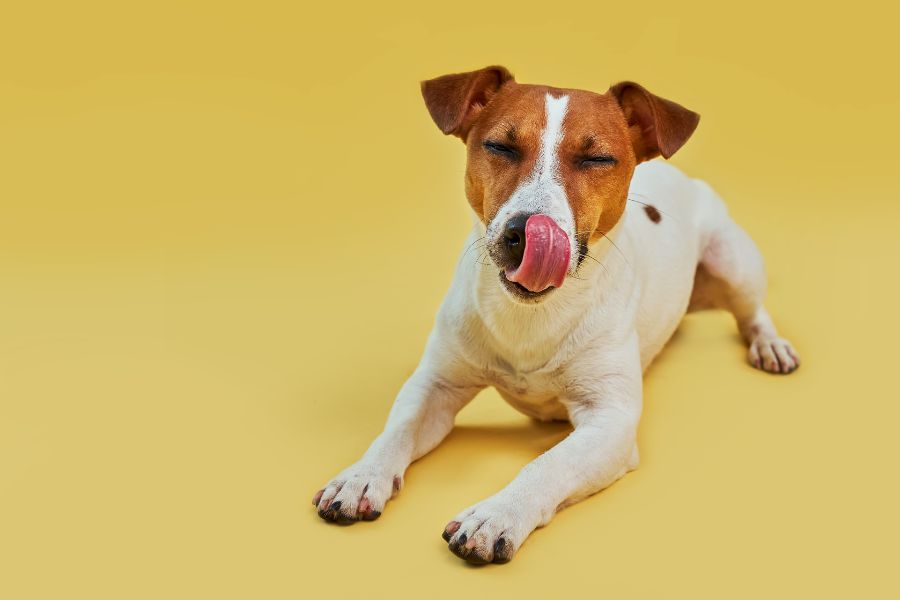
Can Diet Changes Help Reduce Your Dog’s Excessive Licking?

Dogs lick for many reasons—sometimes out of love, sometimes for grooming, and sometimes simply as a way to explore. However, when licking becomes excessive, it may be a sign of discomfort or underlying health issues. Stress, allergies, or even boredom may contribute, but diet also plays a surprisingly important role.
In this blog, trusted Mahopac veterinarians explain how dietary choices can influence skin health and behaviors. By making the right nutritional adjustments and seeking preventative pet care, you can help your furry friend find relief and return to a happier, healthier lifestyle.
Why Dogs Lick Excessively: Looking at Underlying Causes
Before diving into diet changes, it’s crucial to recognize the many possible reasons for excessive licking. Common causes include:
- Skin allergies triggered by food or the environment.
- Nutritional deficiencies impacting skin and coat health.
- Stress or anxiety as a self-soothing behavior.
- Pain or injury in specific areas of the body.
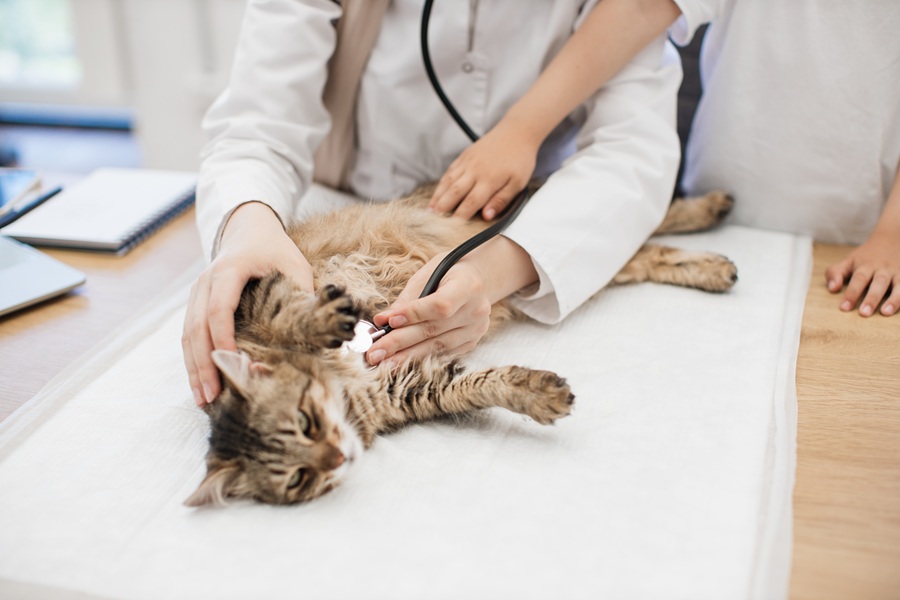
A thorough exam from your local vet in Mahopac can determine whether your dog’s licking is medically or behaviorally driven—or a combination of both.
Food Allergies: A Hidden Trigger for Itch and Lick
Just like humans, dogs can develop food sensitivities that cause chronic itching and licking. Common allergens include beef, chicken, dairy, wheat, corn, and soy. These allergies often show up as:
- Red, inflamed skin
- Ear infections
- Recurring hot spots
- Obsessive paw licking
If this sounds familiar, your veterinarian in Mahopac may recommend an elimination diet. This process involves feeding a limited diet with novel proteins (like duck or fish) until symptoms reduce, then gradually reintroducing ingredients to identify the culprit.
Omega-3 Fatty Acids: Nature’s Anti-Itch Superfood
Diet rich in omega-3 fatty acids—found in fish oil, flaxseed, and certain supplements—can reduce inflammation and soothe itchy skin. Many pets with seasonal allergies or skin sensitivities find comfort when omega-3s are added to their daily meals.
Your Mahopac vet can advise on safe supplementation and dosage to avoid digestive upset while ensuring your dog gains full benefits.
Probiotics and Gut Health: Balancing from the Inside Out
Sometimes, excessive licking stems from poor digestive balance. Studies show that gut health impacts skin health significantly. Probiotics can strengthen the immune system, reduce allergic responses, and promote healthier skin and coat.
As part of preventative pet care in Mahopac, your veterinarian may recommend probiotic-rich diets or supplements formulated for dogs, ensuring they support both digestive comfort and reduced irritation.
Transitioning Foods the Right Way
If your dog’s licking stems from dietary issues, switching foods may help. However, changing foods too quickly can cause stomach upset. Transition gradually by mixing a small portion of the new food with the old, increasing over 7–10 days.
This patient approach ensures a smoother adjustment while allowing you to monitor improvements in licking, coat health, and general energy.
When Diet Isn’t Enough
While nutrition plays a big role, some excessive licking cases extend beyond diet. Infections, parasites, or behavioral challenges may require additional solutions. That’s why partnering with veterinarians Mahopac is so important. Combining tailored diets, preventive treatments, and lifestyle changes ensures complete care and comfort for your dog.
FAQs About Diet and Excessive Licking in Dogs
Q1. Can food allergies really cause paw licking?
Ans. Yes. Food allergies often cause itchy paws, leading to persistent licking. Identifying and removing the triggering ingredient helps reduce the behavior.
Q2. How do I know if my dog’s licking is diet-related?
Ans. If licking is accompanied by skin irritation, ear problems, or digestive upset, diet could be a factor. Consult a vet Mahopac for testing and guidance.
Q3. Are grain-free diets the solution?
Ans. Not always. Some dogs benefit from grain-free food, but most allergies stem from proteins like beef or chicken, not grains.
Q4. How quickly will diet changes stop the licking?
Ans. Results vary. Some dogs improve within weeks, while others may require months of consistent dietary management and monitoring.
Q5. Should I give supplements without my vet’s input?
Ans. No. Always speak with your veterinarian before adding supplements, as incorrect usage can cause imbalances or side effects.
Q6. Can preventative pet care help even if diet isn’t the main cause?
Ans. Absolutely. Preventive care ensures early detection of infections, allergies, or parasites, while also managing weight, nutrition, and behavior.
Conclusion:
Excessive licking is often a sign your dog needs attention, and while diet is not the only factor, it is a powerful tool in reducing discomfort. By choosing allergen-free diets, adding omega-3 fatty acids, and supporting gut health, you give your dog an excellent chance at relief.
For the best results, partner with your local veterinarians in Mahopac. With professional support, diet changes, and preventative pet care, you can help your beloved companion enjoy a more comfortable, itch-free life