$50 Off First Visit For New Clients


12 Mind-Blowing Facts About Cat Teeth

When it comes to your feline’s health, cat’s teeth facts can reveal more than you might expect. From hidden dental issues to fascinating biological traits, your cat’s teeth play a crucial role in their overall well-being. In this guide, we’ll explore surprising insights about feline teeth and explain why cat dental care is essential for every pet owner.
Why Understanding Cat Teeth Matters
Many cat owners focus on food, grooming, and vaccinations—but dental health often gets overlooked. The truth is, your cat’s mouth can directly impact their heart, kidneys, and overall quality of life.
Poor cat dental care can lead to infections, tooth loss, and even systemic disease. That’s why learning these fascinating cat’s teeth facts isn’t just interesting, it’s essential for responsible pet ownership.
1. Cats Have Fewer Teeth Than Humans
Adult cats typically have 30 teeth, while humans have 32. Kittens are born without teeth and develop 26 baby teeth by around 6 weeks of age.
These baby teeth eventually fall out and are replaced by permanent teeth by 6 months. Monitoring this transition is an important part of cat dental care.
2. Cat Teeth Are Designed for Hunting
Unlike humans, cats don’t chew their food side-to-side. Their teeth are built for:
- Grabbing prey
- Tearing meat
- Crushing bones
Their sharp carnassial teeth act like scissors, making them highly efficient predators; even your indoor cat retains these instincts.
3. Dental Disease Is Extremely Common in Cats
One of the most important cat teeth facts is that over 70% of cats develop dental disease by age 3.
Common issues include:
- Gingivitis
- Periodontal disease
- Tooth resorption
Without proper cat dental care, these conditions can become painful and costly to treat.
4. Cats Rarely Show Dental Pain
Cats are masters at hiding discomfort. Even if your cat has severe dental disease, they may still:
- Eat normally
- Act playful
- Show no obvious signs
Subtle symptoms to watch for include bad breath, drooling, or avoiding hard food. Regular vet visits can help catch these issues early.
5. Tooth Resorption Is a Unique Feline Problem
Tooth resorption affects nearly 1 in 3 cats and is one of the most painful dental conditions.
In this condition, the tooth structure breaks down over time, often requiring extraction. Early diagnosis is key, making routine cat dental care essential.
6. Cats Don’t Get Cavities Like Humans
Here’s one of the more surprising cat’s teeth facts: cats rarely get cavities.
Why?
- Their diet is low in sugar
- Their tooth shape prevents plaque buildup in the same way
- Oral bacteria differ from humans
However, this doesn’t mean their teeth are problem-free gum disease is still very common.
7. Bad Breath Isn’t Normal
If your cat’s breath smells bad, it’s not just “cat breath”—it’s often a sign of:
- Bacterial infection
- Gum disease
- Tooth decay
Healthy cats should have minimal odor in their mouth. Addressing this early improves long-term cat dental care outcomes.
8. Dry Food Doesn’t Clean Teeth as Much as You Think
Many pet owners believe kibble acts like a toothbrush. While some dental diets help, most dry food:
- Breaks apart too easily
- Doesn’t scrape plaque effectively
Brushing your cat’s teeth or using vet-approved dental products is far more effective.
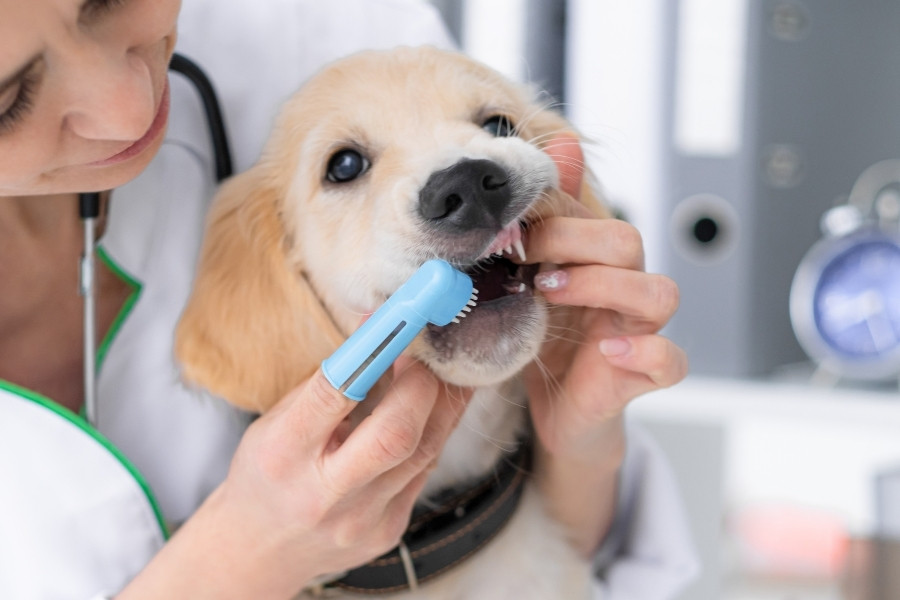
9. Brushing Your Cat’s Teeth Is the Gold Standard
Daily brushing is the best way to maintain oral health.
Tips for success:
- Use a cat-specific toothbrush and toothpaste
- Start slowly and build a routine
- Reward your cat after brushing
Even brushing a few times a week can significantly improve a pet’s dental care.
10. Professional Cleanings Are Essential
Even with at-home care, professional dental cleanings are necessary. These include:
- Scaling and polishing
- X-rays to detect hidden issues
- Treatment of gum disease
At South Putnam Animal Hospital, veterinarians provide comprehensive dental exams to keep your cat healthy.
11. Dental Health Impacts Overall Health
Bacteria from dental disease can enter the bloodstream and affect:
- Heart
- Liver
- Kidneys
This is one of the most critical cat’s teeth facts oral health isn’t isolated; it’s connected to your cat’s entire body.
12. Prevention Is Easier Than Treatment
Preventing dental disease is always easier and more affordable than treating it later.
A good cat dental care routine includes:
- Regular brushing
- Dental treats or diets
- Annual vet checkups
- Professional cleanings when needed
Pet owners in Mahopac can greatly improve their cat’s quality of life with consistent care.
Local Tips for Cat Owners
Living in Mahopac means your cat may experience seasonal changes that impact their habits and health. Indoor cats especially benefit from routine wellness exams to monitor dental health.
Local veterinary clinics in Mahopac often recommend annual dental screenings, especially as your cat ages. Staying proactive with cat dental care ensures your feline companion stays comfortable year-round.
Conclusion:
Understanding these cat’s teeth facts can completely change how you care for your feline friend. From hidden dental pain to the importance of routine cleanings, your cat’s oral health plays a major role in their overall well-being.
Don’t wait for symptoms to appear; early prevention is key. If you’re in Mahopac, schedule a checkup today and give your cat the healthy smile they deserve.
FAQs
Q1: How often should I brush my cat’s teeth?
Ans: Ideally, you should brush your cat’s teeth daily. However, even 2–3 times per week can significantly improve dental health and reduce plaque buildup.
Q2: What are common signs of dental problems in cats?
Ans: Bad breath, drooling, difficulty eating, pawing at the mouth, and red gums are common signs that your cat may need dental care.
Q3: Do cats need professional dental cleanings?
Ans: Yes, most cats benefit from professional cleanings once a year, especially if they are prone to dental disease or are over three years old.
Q4: Can dental disease in cats be life-threatening?
Ans: Yes, untreated dental disease can lead to infections that spread to vital organs like the heart and kidneys, making it potentially serious.
Q5: What is the best way to improve cat dental care at home?
Ans: Regular brushing, dental treats, and routine vet visits are the most effective ways to maintain your cat’s oral health at home.