$50 Off First Visit For New Clients


Lilies Poisoning in Cats: Symptoms, Treatment Options
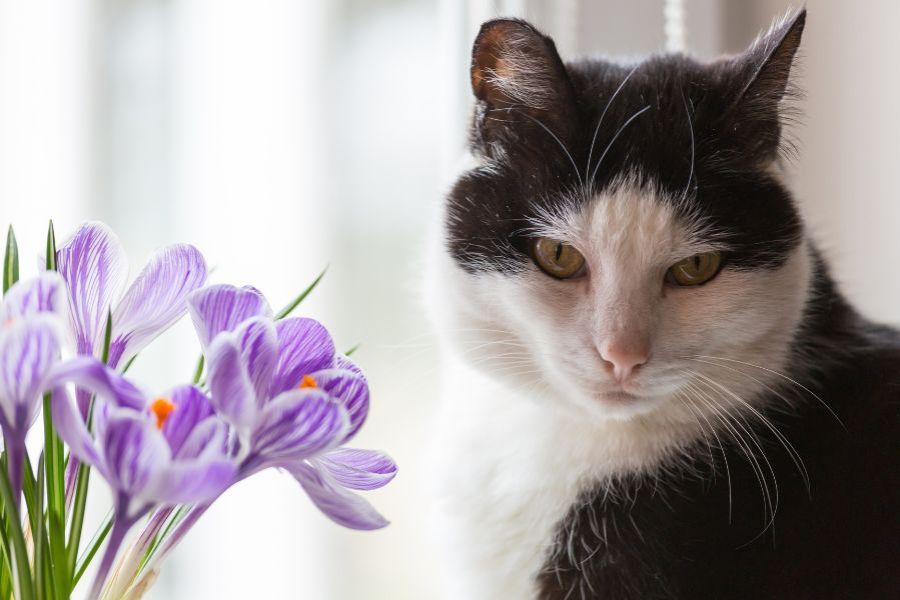
Lily poisoning in cats is a serious and often life-threatening condition that every cat owner should be aware of. Even small exposures, like licking pollen or drinking water from a vase, can lead to severe kidney damage. In this guide, we’ll explain the most common lily poisoning signs, what to do if your cat ate lilies, available treatment options, and how early health diagnostic test procedures can save your pet’s life.
What Is Lily Poisoning in Cats?
Lily poisoning in cats occurs when a cat ingests or comes into contact with certain types of lilies that are highly toxic to felines. Unlike dogs or humans, cats are uniquely sensitive to these plants.
Common toxic lilies include:
- Easter lilies
- Tiger lilies
- Asiatic lilies
- Daylilies
Even minimal exposure—such as brushing against the flower and grooming afterward—can cause poisoning. That’s why lilies are considered one of the most dangerous toxic flowers for cats.
Why Are Lilies So Dangerous for Cats?
The exact toxin in lilies is still not fully identified, but its effects are well documented. It primarily targets the kidneys, leading to acute kidney failure within 24 to 72 hours.
Here’s how exposure happens:
- Chewing leaves or petals
- Licking pollen off fur
- Drinking water from a vase containing lilies
Cats don’t need to eat large amounts; even a tiny exposure can be fatal.
Lily Poisoning Signs in Cats
Recognizing lily poisoning signs early can save your cat’s life. Symptoms typically develop in stages:
Early Symptoms (0–12 Hours)
- Vomiting
- Drooling
- Loss of appetite
- Lethargy
Intermediate Symptoms (12–24 Hours)
- Increased thirst
- Frequent urination
- Dehydration
Severe Symptoms (24–72 Hours)
- Little to no urine output
- Kidney failure
- Weakness or collapse
- Seizures (in extreme cases)
If you notice any of these signs and suspect your cat ate a lily, treat it as an emergency.
What To Do If Your Cat Ate Lily
Immediate action is critical. Follow these steps:
- Remove your cat from the source
Take away any remaining plant material. - Do not wait for symptoms
Even if your cat seems fine, poisoning may already be underway. - Contact your veterinarian immediately
Early treatment significantly improves survival chances. - Bring a sample of the plant
This helps confirm the diagnosis quickly.
Prompt care within the first 6–12 hours offers the best outcome.
Diagnosis: Health Diagnostic Test for Lily Poisoning
Veterinarians rely on a combination of history and health diagnostic test procedures to confirm lily toxicity and assess kidney damage.
Common tests include:
- Blood tests to evaluate kidney function (BUN and creatinine levels)
- Urinalysis to detect kidney abnormalities
- Electrolyte panels to check imbalances
These tests help determine how severely the kidneys are affected and guide treatment decisions.
Treatment Options for Lily Poisoning in Cats
Treatment depends on how quickly your cat receives care. Here’s what veterinarians typically do:
1. Decontamination
If caught early:
- Inducing vomiting (only by a vet)
- Administering activated charcoal to limit toxin absorption
2. Intravenous (IV) Fluid Therapy
This is the most critical treatment:
- Helps flush toxins from the kidneys
- Maintained for 48–72 hours
3. Monitoring and Support
- Regular bloodwork to track kidney function
- Medications to control vomiting and nausea
4. Advanced Care (If Needed)
- Dialysis (in severe cases)
- Intensive care monitoring
Early intervention often leads to a full recovery, but delayed treatment may result in permanent kidney damage or death.
Prognosis: Can Cats Recover from Lily Poisoning?
The outcome depends on how quickly treatment begins:
- Within 6 hours: Excellent prognosis
- Within 12–24 hours: Good chance with aggressive care
- After 24 hours: High risk of kidney failure
Cats that develop severe kidney damage may require long-term care or may not survive. This is why recognizing lily poisoning signs early is crucial.
Preventing Lily Poisoning in Cats
Prevention is the best protection. Here’s how to keep your cat safe:
Avoid Toxic Flowers
Keep all lilies out of your home. Also be cautious with:
- Tulips
- Daffodils
- Oleander
Choose Cat-Safe Alternatives
Opt for non-toxic plants like:
- Spider plants
- Areca palms
- Calathea
Educate Family and Friends
Let others know not to bring lilies into your home, especially during holidays like Easter.
Monitor Outdoor Access
If your cat goes outside, be aware of nearby gardens that may contain lilies.
Local Insight for Pet Owners
In areas like Mahopac, seasonal flower arrangements, especially in spring, often include lilies. Many pet emergencies occur around holidays when these flowers are common in homes.
At South Putnam Animal Hospital, veterinarians frequently treat cases of lily poisoning in cats, particularly during Easter and summer months. Being proactive and avoiding exposure can save your cat from a life-threatening emergency.
Why Early Veterinary Care Matters
Lily toxicity progresses quickly, and waiting even a few hours can make a significant difference. A timely health diagnostic test and immediate treatment can:
- Prevent kidney damage
- Reduce hospitalization time
- Improve survival rates
Never attempt home remedies—professional veterinary care is essential.
Conclusion:
Lily poisoning in cats is a preventable yet potentially fatal condition. Even minor exposure can lead to severe kidney damage, making early recognition and rapid treatment absolutely critical. Knowing the lily poisoning signs, acting quickly if your cat eats lilies, and avoiding toxic flowers can make all the difference.
If you suspect any exposure, don’t wait; seek veterinary care near you immediately. Protect your cat by keeping harmful plants out of reach and staying informed. For expert guidance and emergency care, schedule a visit at South Putnam Animal Hospital today.
FAQs:
Q1: What should I do if my cat ate lilis but shows no symptoms?
Ans: Act immediately and contact your vet. Symptoms may take hours to appear, but internal damage can begin right away.
Q2: How quickly does lily poisoning affect cats?
Ans: Symptoms can start within a few hours, and kidney damage may occur within 24 hours if untreated.
Q3: Are all lilies toxic to cats?
Ans: Most true lilies, like Easter and tiger lilies, are extremely toxic. It’s safest to avoid all lilies entirely.
Q4: Can a cat survive lily poisoning?
Ans: Yes, if treated early with IV fluids and supportive care. Delayed treatment greatly reduces survival chances.
Q5: What health diagnostic test confirms lily poisoning?
Ans: Blood tests and urinalysis are commonly used to assess kidney function and confirm toxicity in affected cats.