$50 Off First Visit For New Clients

10 Hidden Signs Your Female Dog Has a UTI

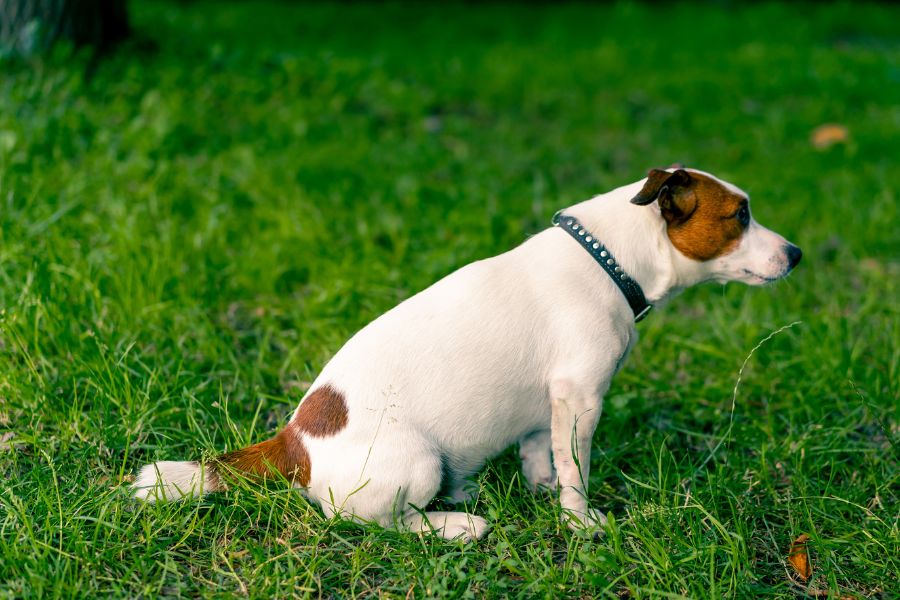
A female dog’s UTI can be easy to miss, especially when symptoms are subtle or mistaken for behavioral issues. Many pet owners only recognize obvious signs like frequent urination, but early indicators are often much less noticeable. In this detailed guide, we’ll break down the hidden signs of UTI in female dogs, what causes them, how they’re treated, and when to seek professional diagnostic care to keep your pet healthy and comfortable.
What Is a UTI in Female Dogs?
A female dog urinary infection (UTI) occurs when harmful bacteria enter the urinary tract, typically affecting the bladder (cystitis) or urethra. In more severe cases, the infection can travel to the kidneys, leading to serious complications.
Female dogs are naturally more prone to UTIs due to their shorter urethra, which allows bacteria to reach the bladder more easily. While some infections develop quickly, others progress slowly, making it crucial to recognize even the smallest behavioral or physical changes.
Why Female Dogs Are More Prone to UTIs
Understanding the causes of UTI in female dogs can help you reduce the risk:
- Short urethra: Easier access for bacteria
- Hormonal changes: Especially after heat cycles
- Poor hygiene: Dirt and bacteria buildup
- Weakened immune system: Makes infections harder to fight
- Underlying conditions: Diabetes or bladder stones
Seasonal humidity and outdoor exposure can also increase the risk of bacterial infections, especially in active dogs.
10 Hidden Signs Your Female Dog Has a UTI
1. Subtle Changes in Urination Habits
One of the earliest female dog UTI symptoms is a slight change in how your dog urinates. She may:
- Take longer to urinate
- Strain slightly
- Pass smaller amounts than usual
These signs are easy to overlook but are often the first indicators of a female dog’s urinary infection.
2. Sudden Accidents Indoors
If your well-trained dog starts having accidents inside, it could be due to a bladder infection in dogs. This happens because the infection causes urgency and loss of bladder control.
3. Strong or Foul-Smelling Urine
Healthy dog urine typically has a mild odor. A strong, unpleasant smell can indicate bacterial growth, a common symptom of a dog’s UTI.
4. Excessive Licking of the Genital Area
Dogs may lick the area more frequently to soothe irritation. Persistent licking is often a sign of discomfort caused by a UTI in female dogs.
5. Slight Blood in Urine
Blood may not always be obvious. Watch for:
- Pinkish stains on bedding
- Slight discoloration in urine
Even small traces can signal a serious female dog urinary infection.
6. Behavioral Changes
Pain from a female dog bladder infection can lead to:
- Irritability
- Anxiety
- Withdrawal
If your dog seems “off” without a clear reason, a UTI could be the cause.
7. Decreased Appetite
Dogs with infections often eat less. While this is a general symptom, it commonly appears in moderate to severe female dog UTI cases.
8. Fatigue or Low Energy
Your dog may appear tired or less playful. Fighting off a UTI can drain energy levels over time.
9. Frequent Attempts to Urinate with Little Output
You may notice repeated squatting during walks with minimal urine output. This is a classic but often ignored sign of a urinary infection in your dog.
10. Cloudy or Dark Urine
Cloudy urine may indicate pus or bacteria, while darker urine can suggest dehydration or infection, both linked to a female dog bladder infection.
When Should You See a Vet?
If your dog shows multiple symptoms, it’s important to seek help quickly. Early diagnostic care for dogs can prevent the infection from spreading.
Veterinary diagnosis typically includes:
- Urinalysis: Detects bacteria, blood, or crystals
- Urine culture: Identifies the exact bacteria
- Blood tests: Checks for underlying conditions
At South Putnam Animal Hospital in Mahopac, timely diagnosis ensures your pet receives accurate and effective treatment before complications arise.
Female Dog UTI Treatment Options
Treatment depends on the severity and cause of the infection. Common female dog UTI treatment methods include:
1. Antibiotics
Most UTIs are treated with a prescribed course of antibiotics to eliminate bacteria. It’s important to complete the full course, even if symptoms improve early.
2. Increased Hydration
Encouraging your dog to drink more water helps flush out bacteria from the urinary tract. You can:
- Provide fresh water at all times
- Add water to dry food
- Offer pet-safe broths
3. Dietary Support
Special diets designed for urinary health may help prevent recurring infections by balancing pH levels and reducing crystal formation.
4. Pain Management
If your dog is in discomfort, your vet may prescribe medications to ease pain and inflammation.
5. Treating Underlying Issues
If the UTI is caused by another condition like bladder stones or diabetes, treating the root cause is essential for long-term recovery.
Home Care Tips During Recovery
While veterinary treatment is essential, supportive care at home can speed up recovery:
- Ensure frequent bathroom breaks
- Keep your dog clean and dry
- Monitor urine color and frequency
- Avoid holding urine for long periods
However, avoid home remedies without consulting your vet, as improper treatment can worsen the condition.
How to Prevent UTIs in Female Dogs
Preventing a female dog’s UTI is possible with consistent care:
- Maintain hygiene: Regular grooming and cleaning
- Encourage hydration: Fresh water daily
- Provide regular potty breaks: Avoid urine retention
- Routine vet visits: Early detection of health issues
- Clean living environment: Wash bedding frequently
Pet owners in Mahopac should be especially mindful during warmer months when bacteria thrive in humid conditions.
Conclusion
A female dog’s UTI can develop quietly, with subtle symptoms that are easy to overlook. From slight behavioral changes to minor shifts in urination habits, these hidden signs are your dog’s way of signaling discomfort. Recognizing these early warning signs and seeking timely diagnostic care can prevent serious complications.
If you notice anything unusual, don’t wait for symptoms to worsen. Early intervention and proper female dog UTI treatment can make a significant difference in your dog’s health and comfort. Book an appointment at South Putnam Animal Hospital today and ensure your furry companion stays happy and healthy.
FAQs
Q1: What are the early female dog UTI symptoms?
Ans: Early female dog UTI symptoms include slight straining, frequent urination, licking, and strong-smelling urine.
Q2: How serious is a UTI in female dogs?
Ans: A UTI in female dogs can become serious if untreated, potentially leading to kidney infections or chronic issues.
Q3: How is a female dog’s urinary infection diagnosed?
Ans: Vets use urinalysis, urine culture, and sometimes blood tests as part of diagnostic care for dogs.
Q4: Can diet help prevent female dog bladder infections?
Ans: Yes, a balanced diet and proper hydration can reduce the risk of a female dog bladder infection.
Q5: When should I start dog UTI treatment?
Ans: Start dog UTI treatment as soon as symptoms appear or are confirmed by a veterinarian.