$50 Off First Visit For New Clients


How to Spot Cavities and Gum Disease in Pets
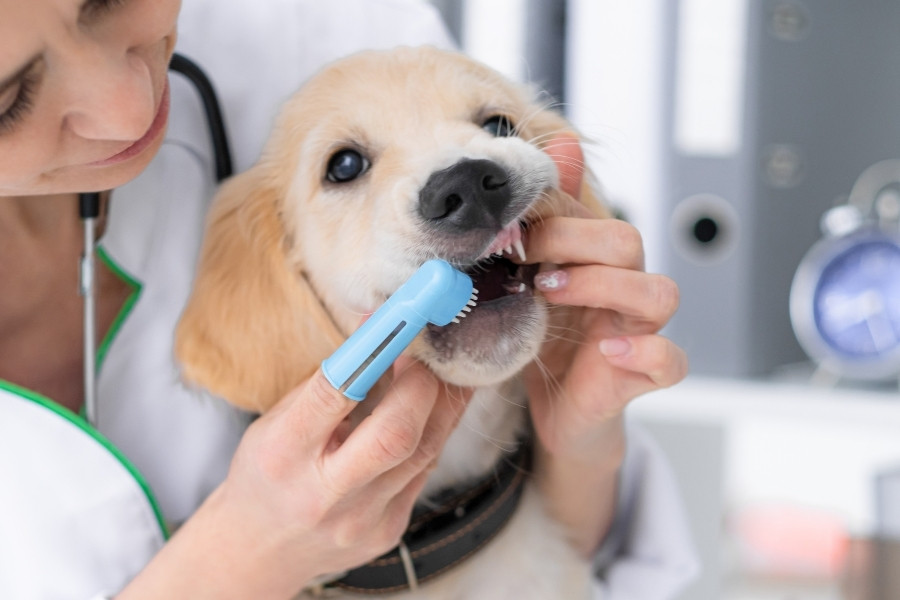
When we think about pet health, we often picture exercise, nutrition, or vaccinations. However, dental health plays a huge role in your pet’s overall well-being. Cavities, infections, and gum disease not only cause pain but can also affect organs like the heart and kidneys. Fortunately, by learning to recognize early warning signs, you can protect your pet’s smile and keep them living comfortably. Professional guidance, such as expert pet dental care, ensures thorough care when home checks aren’t enough.
Why Dental Issues Are Common in Pets
Unlike humans, pets rarely get daily brushing routines unless owners establish them early. Over time, food particles, bacteria, and plaque build up on their teeth, leading to tartar, cavities, and inflamed gums. Small-breed dogs and older cats often face dental challenges because of tiny jaws, crowded teeth, or weakened enamel. This is why routine monitoring is so important—your furry friend depends on you to notice those first subtle changes.
Early Red Flags: Subtle Signs of Cavities
Cavities in pets may not look like the obvious dark spots we see in humans. Instead, these signs can alert you:
- Reluctance to chew toys or hard food.
- Dropping kibble from the mouth while eating.
- Pawing at the mouth or unusual drooling.
- Persistent bad breath that lingers even after cleaning.
When you spot these symptoms early, you can schedule a dental exam before the cavity worsens. Catching it at this stage often means your pet avoids more invasive treatment later.
Gum Disease: More Than Just Bad Breath
One of the most common—and overlooked—issues in pets is gum disease. It begins with gingivitis, where gums look red or swollen. Without treatment, infection spreads deeper, leading to periodontal disease. This not only loosens teeth but also allows bacteria to enter the bloodstream, potentially damaging internal organs. Look closely at your pet’s gums; healthy gums are pink and firm, not red and receding.
Day-to-Day Clues You Can’t Ignore
Dental disease often shows up in subtle behavior changes that you might dismiss as “quirky.” However, these are serious indicators:
- Avoiding crunchy treats they once loved.
- Yelping or whining when chewing.
- Bleeding gums when chewing toys or after play.
- A sudden decrease in energy or appetite.
Because pets can’t tell us they are hurting, these actions speak volumes. Trust your instincts; if something feels off, it’s worth a closer look.
At-Home Dental Care: Prevention Every Day
Daily dental care at home makes an enormous difference. Here’s how you can start:
- Brush their teeth with pet-safe toothpaste a few times per week.
- Offer dental chews approved by veterinarians.
- Provide toys designed to reduce plaque buildup.
- Use water additives that support healthier gums.
Even small efforts strengthen your pet’s defense against dental disease. Combined with professional cleanings, these steps help keep cavities and gum disease at bay.
Professional Support: Pet Dentistry
Even with consistent home care, pets still require professional dental exams. Veterinary teams understand how to detect early decay, clean below the gum line, and treat infected areas safely. Clinics specializing in pet dentistry in Mahopac offer advanced diagnostics, cleanings, and tailored care plans. Their expertise ensures your pet enjoys not only fresh breath but also a longer, healthier life overall.
FAQs
Q1. How can I tell if my pet has a cavity?
Ans. Watch for difficulty eating, sudden drooling, and persistent bad breath. A vet exam will confirm the diagnosis.
Q2. What does gum disease look like in pets?
Ans. It begins with red, swollen gums and can progress to bleeding, receding gums, and loose teeth.
Q3. Do professional cleanings really make a difference?
Ans. Yes. Vets can remove plaque and tartar where brushes and chews can’t reach, which prevents long-term damage.
Q4. How often should my pet receive dental checkups?
Ans. Most pets benefit from at least one dental exam per year, though some may need more frequent visits.
Q5. Is brushing necessary if my pet eats dental treats?
Ans. Dental treats help, but brushing is still the gold standard for preventing plaque and gum disease.
Q6. Why choose pet dentistry in Mahopac?
Ans. Local veterinarians provide expert, personalized care that ensures your pet’s dental health is fully supported, from prevention to treatment.